 Singing Coach AI
Mastering the "Loud-Quiet-Loud" Dynamic
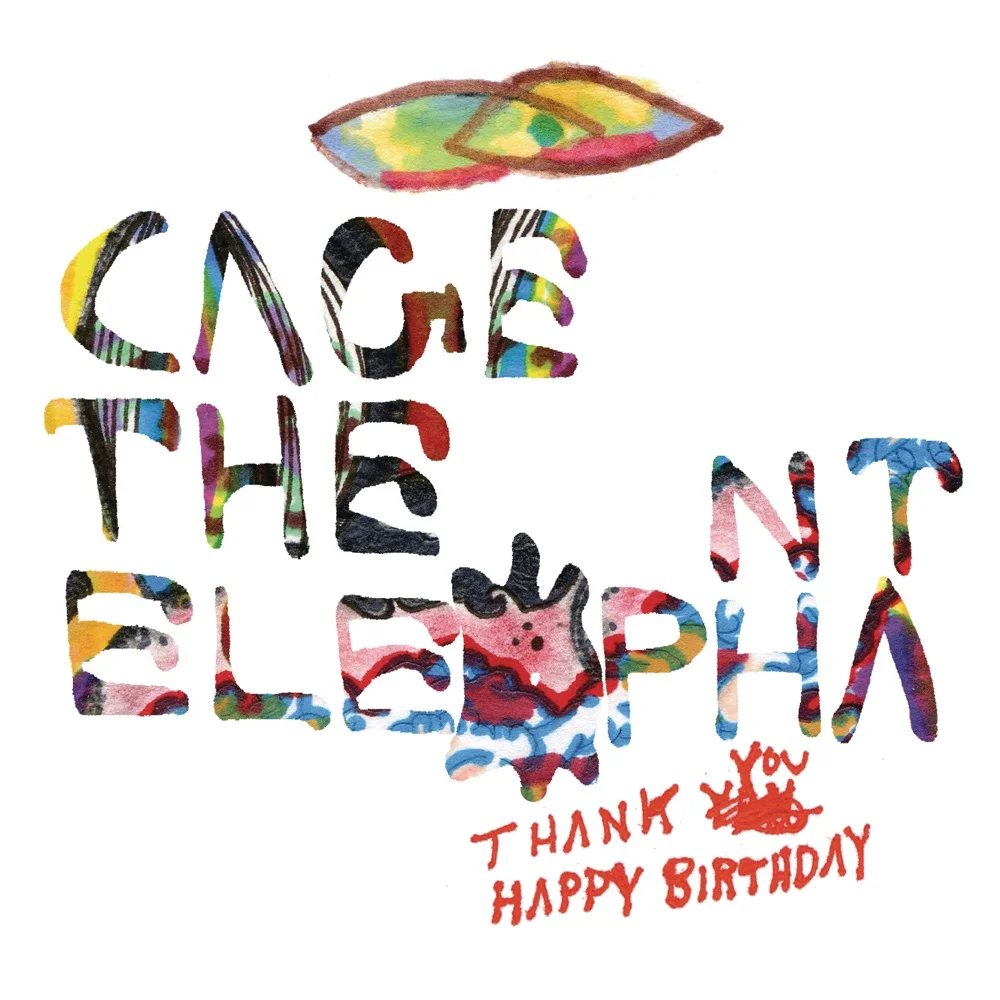
Released on Cage the Elephant's second album, Thank You, Happy Birthday, "Shake Me Down" is a masterclass in emotional dynamics. The song details a struggle with depression while clinging to optimism, and the vocal delivery reflects this perfectly.
Unlike polished pop tracks, Matt Shultz's performance is intentionally raw and slightly unstable. The challenge for a singer is replicating that emotion without losing pitch accuracy. Let's break down the sections.
Phase 1: The Melancholic Verse
The song starts in a low, comfortable range (A2-D3). The lyrics "Shake me down, not a lot of people left around" should be delivered with a chest-heavy, relaxed tone. It should feel tired.
The Trap: Because the delivery is casual, it's easy to go flat. Ensure you are supporting your breath even when singing quietly to maintain pitch on the low notes.
Phase 2: The Hopeful Chorus
The energy shifts completely on the line "Even on a cloudy day." This is where you open up. The melody jumps to the upper part of the chest register.
- The Hook: The repetitive "I'll keep my eyes fixed on the sun" requires stamina. It sits right in the passaggio for many baritones.
- Tone Color: Unlike the gloomy verses, the tone here should be bright and forward-placed to reflect the optimism of the lyrics.
Phase 3: The Breakdown
Following the second chorus, the drums kick in heavy. The vocals here become more rhythmic and aggressive. You need to articulate the consonants sharper here to cut through the heavier instrumentation.
When the song finally resolves, it drops back to the quiet verse style. Mastering this instant switch from 100% energy back to 20% energy is the key to a high score.