 Singing Coach AI
Mastering the Bass-Baritone Anthem
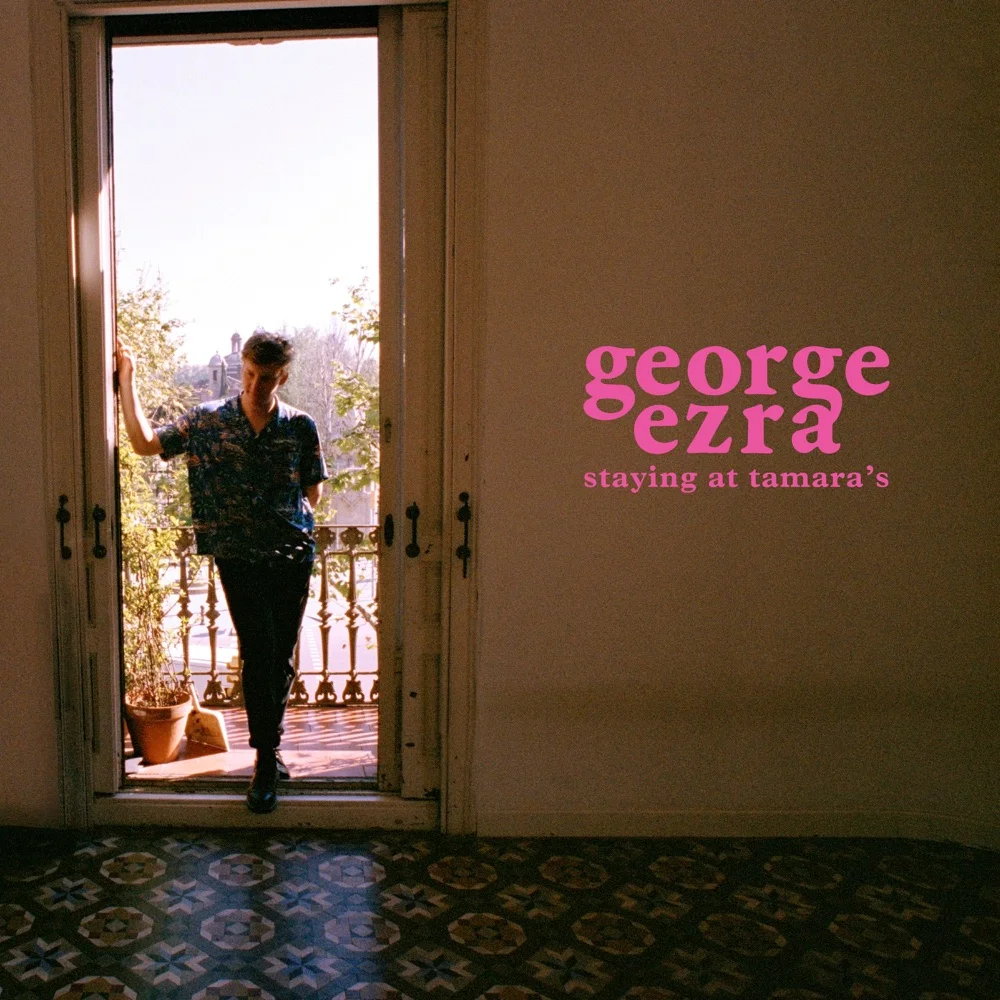
Shotgun by George Ezra is the ultimate feel-good track from his 2018 album Staying at Tamara's. While the song feels breezy and relaxed, singing it correctly requires mastering a specific "deep chest" technique. It’s an excellent song for Basses and Baritones to practice pitch accuracy in their lower register without needing to strain for high notes.
To capture Ezra's signature sound, you need to maintain a lowered larynx position while keeping the rhythm crisp. Let's break down exactly how to tackle the verses and the infectious chorus.
Phase 1: The Verses (Deep & Resonant)
The song starts in F Major with the line "Homegrown alligator, see you later." The melody sits low, hovering around the F2 to C3 range. This is the comfort zone for deep voices.
The Trap: Because the notes are low, singers often lose energy and volume. You must keep your breath support active even on the lowest notes to ensure they don't sound muddy or mumbled.
Phase 2: The Pre-Chorus (Building Tension)
The lyrics "Time flies by in the yellow and green" introduce a slight climb in pitch. The rhythm here becomes more staccato. Focus on clear diction. The AI Coach specifically tracks the timing of your consonants here to ensure you aren't dragging behind the beat.
- Stick around: Keep the vowels open. Don't close your mouth too much on the 'round' sound.
- Change my mind: This transition needs to be smooth as you prepare for the chorus lift.
Phase 3: The Chorus (The Hook)
The chorus ("I'll be riding shotgun underneath the hot sun") is the most energetic part of the song. While it doesn't go very high (topping out around F4), it requires stamina.
You need to maintain a "bright" tone here. While the verses are dark and chesty, the chorus needs to cut through the mix. Smile slightly while singing to brighten the resonance and keep the pitch from going flat.