 Singing Coach AI
The Ultimate New Wave Anthem
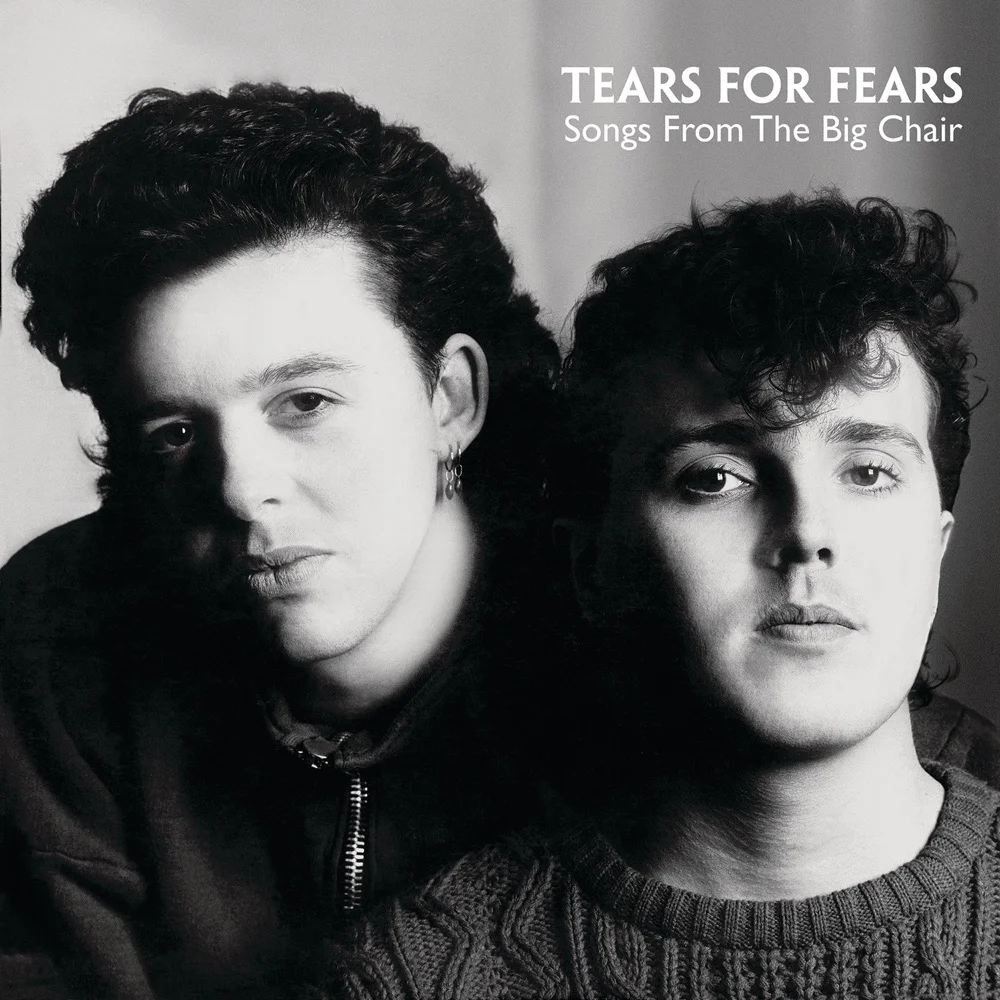
Shout is one of the most recognizable songs from the 80s, serving as the lead single from Tears for Fears' 1985 album Songs from the Big Chair. It is a masterclass in controlled power. While the title suggests screaming, the vocal performance by Roland Orzabal is disciplined, resonant, and sustained.
The song is physically demanding because of its length (over 6 minutes) and the repetitive, high-energy nature of the chorus. Let's break down how to handle the transitions between the brooding verses and the explosive choruses.
Phase 1: The Verses (Low & Rhythmic)
The verses ("In violent times...") sit in a lower, more comfortable range for Tenors and Baritones (G3-D4). The key here is not melody, but rhythm.
The Technique: Treat the verses almost like a chant. Keep your diction crisp and your tone serious. Do not add too much vibrato here; a straight tone works best to build the tension before the chorus releases it.
Phase 2: The Chorus (Power & Resonance)
This is the iconic hook. The melody jumps up and requires a powerful chest-dominant mix. The challenge is singing the word "Shout" without actually shouting from your throat.
- Placement: Focus the sound forward into the "mask" of your face (nose and cheekbones). This creates natural amplification.
- Vowel Shape: Modify the vowel. Instead of a wide "Ow" sound on Shout, think of a taller, rounder "Ah" or "Oh" shape to keep the throat open.
- Volume: Let the resonance do the work. If you push air too hard, your voice will fatigue before the song ends.
Phase 3: The Outro & Ad-libs
Toward the end of the song, Orzabal introduces higher ad-libs ("Come on") that reach up to a C5. These should be sung in a heady mix or falsetto if the chest belt feels too heavy.
This section is an endurance test. The repetitive mantra requires mental focus to ensure the last chorus has as much energy as the first one.