 Singing Coach AI
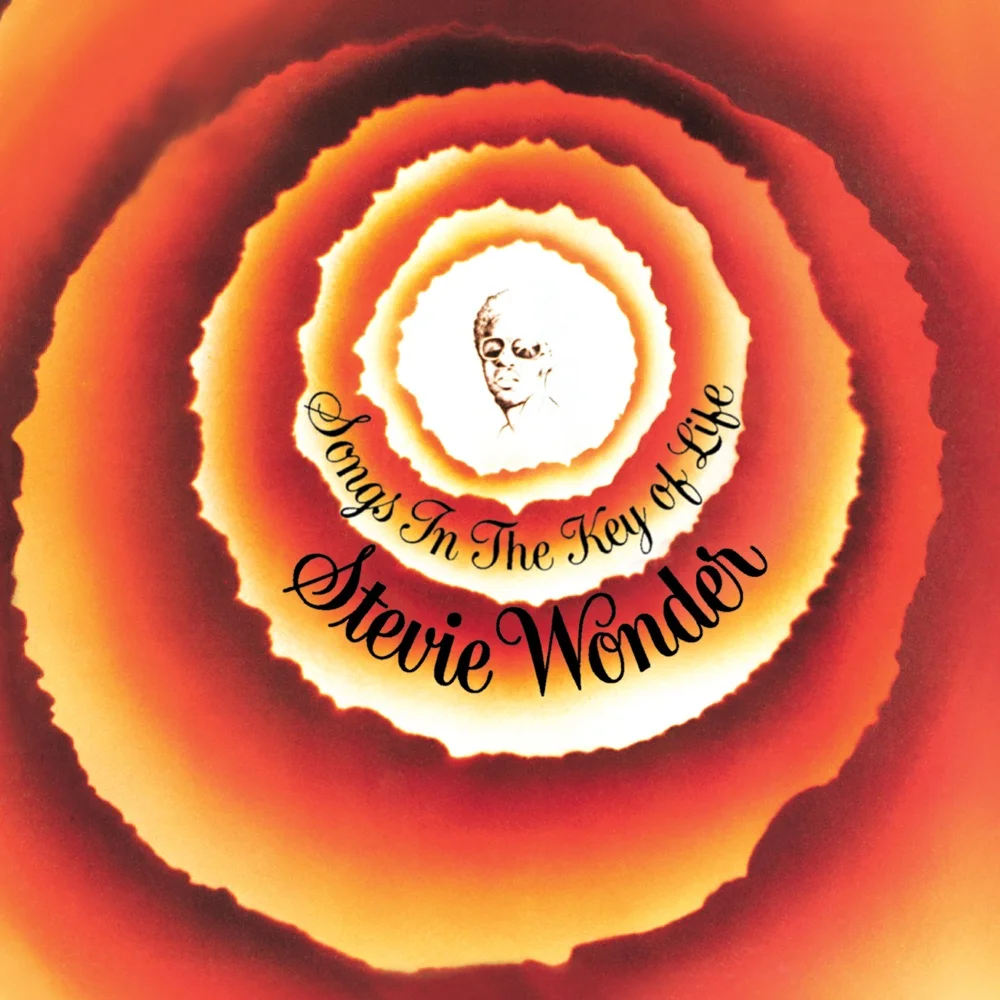
A Masterclass in Joy and Funk
Written as a tribute to jazz legend Duke Ellington, Stevie Wonder's "Sir Duke" from the album Songs in the Key of Life is an explosion of musical joy. For a vocalist, this song presents a unique challenge: you aren't just singing lyrics; you are matching the precision of a horn section.
The song sits high in the Tenor range and requires a relentless energy. You need excellent breath support to handle the long phrases and the agility to navigate Stevie's famous melismatic runs without dragging the tempo.
Phase 1: The Verse Groove (0:00 - 0:48)
The verses ("Music is a world within itself") are very conversational but rhythmically strict. The notes are staccato—short and detached.
The Trap: Many singers get lazy with the timing here. The AI Coach measures your rhythmic accuracy down to the millisecond. If you sing behind the beat, the song loses its "bounce." Keep your consonants crisp and forward.
Phase 2: The Pre-Chorus Climb (0:48 - 1:04)
On the line "But just because a record has a groove," the melody begins to climb. You are moving from your chest voice into your upper mix.
- Tension Check: As you ascend to the "make you move" line, ensure your neck muscles remain loose.
- Breath Control: Take a solid, low breath before "I can tell you..." to ensure you have enough air to sustain the power into the chorus.
Phase 3: The Chorus Belt (1:04 - 1:20)
This is the payoff. "You can feel it all over" requires a confident belt up to a G#4. Stevie places this sound very forward in the "mask" (the front of the face/nose area).
Avoid shouting from the throat. Instead, think of projecting the sound across a stadium. The joy in the lyrics should be reflected in the tone color—keep it bright, energetic, and celebratory.