 Singing Coach AI
Cast Off the Shackles of Yesterday!
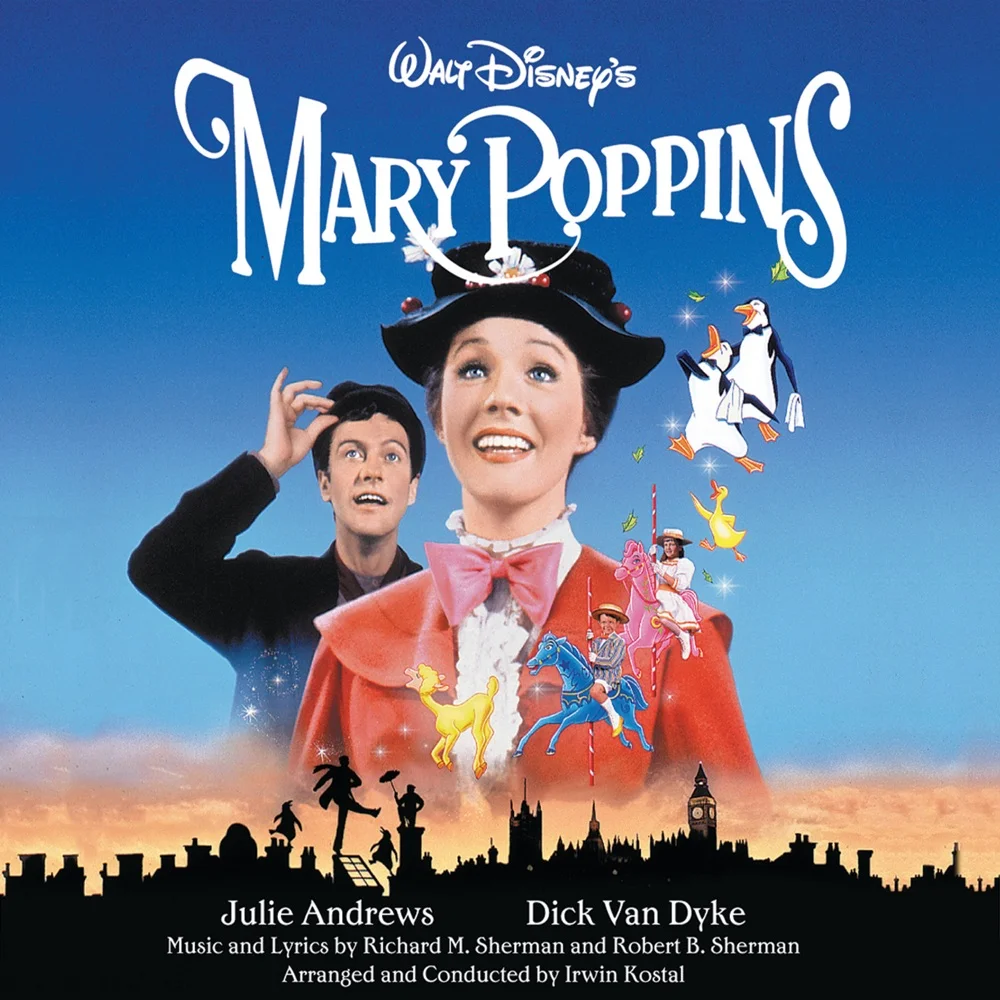
Written by the Sherman Brothers for the 1964 Disney classic Mary Poppins, "Sister Suffragette" serves as the introduction to Mrs. Banks. It is a rousing, militant march that demands high energy, crisp articulation, and a sense of theatrical urgency. Glynis Johns performed this with a distinct vocal character that sits somewhere between singing and spirited declamation.
To score high on this track, you need to channel the character. It's not just about hitting the notes; it's about the "crusade." The song switches between rapid-fire verses and soaring melodic lines in the chorus.
Phase 1: The Verse (March Tempo)
The song opens with a strong rhythmic drive in D Major. The lines "We're clearly soldiers in petticoats" should be sung with a forward, bright placement. Avoid a breathy tone here; think of a trumpet or a bugle.
The Trap: It is easy to rush. The orchestra plays a strict march beat. Listen to the snare drum in the backing track and lock your vocals to that grid, specifically on the triplets in the phrase "dauntless crusaders."
Phase 2: The Chorus (Melodic Lift)
When the lyrics shift to "Cast off the shackles of yesterday," the melody opens up. This requires a shift from the staccato verse to a more legato, sustained singing style.
- Shoulder to shoulder: Ensure smooth connection between words.
- Votes for Women: This is the rallying cry. Use a strong chest-mix here to project authority without shouting.
- Praise: Keep the vowels tall and vertical (think "Ah" not "Aa") to maintain that classic 1960s musical theatre sound.
Phase 3: The Big Finish (G5 High Note)
The finale, "Our daughters' daughters will adore us," climbs high. The final note on "us" creates a resolved major chord, but the lead up touches a G5 on "daughters."
Glynis Johns sings this in a very "heady" mix. Do not try to belt this in full chest voice. Lighten the mechanism, lift your soft palate (the yawn sensation), and let the sound resonate in the "mask" of your face for that bright, ringing quality.