 Singing Coach AI
The Quintessential Musical Theatre Duet
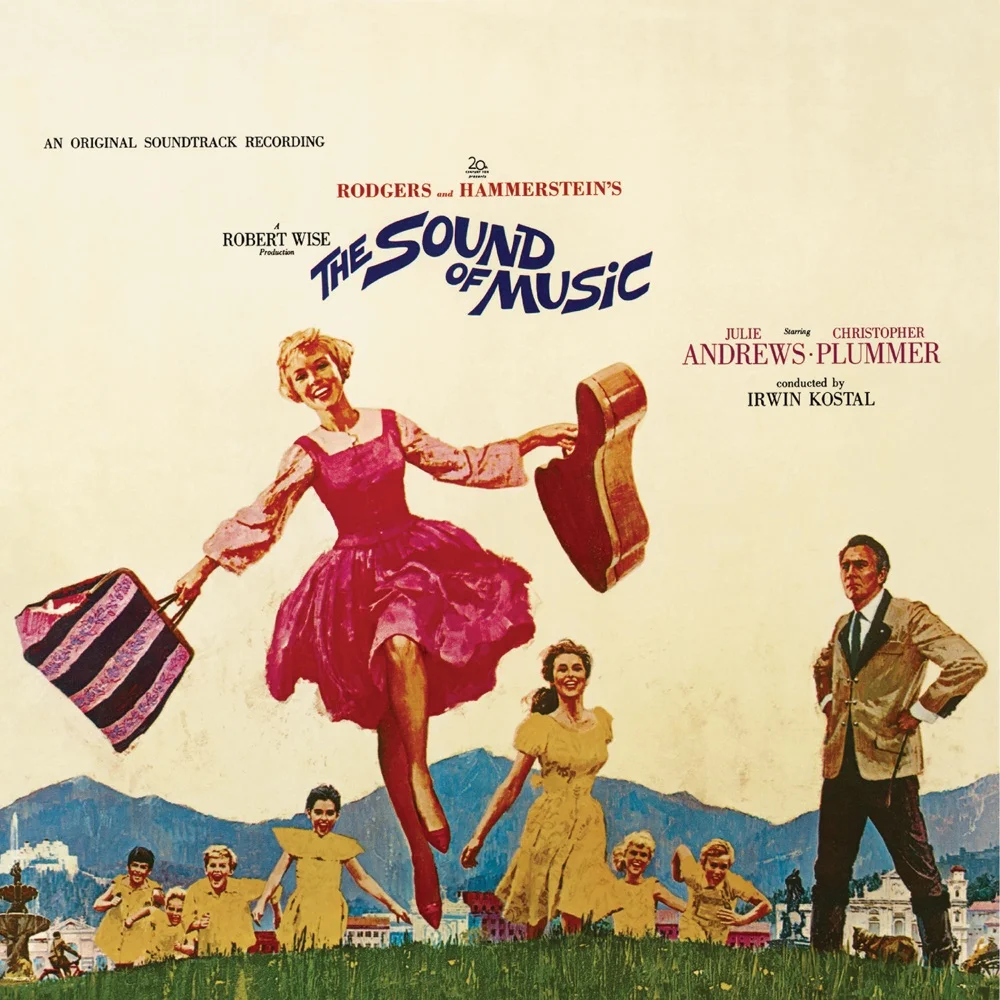
"Sixteen Going on Seventeen" from Rodgers & Hammerstein's The Sound of Music is more than just a charming melody; it is a study in character-driven vocals. Performed by Charmian Carr (Liesl) and Daniel Truhitte (Rolf) in the 1965 film, the song captures the innocence of youth through light, classical technique and playful interaction.
To sing this well, you must resist the urge to belt or over-sing. The magic lies in the light, "forward" placement of the voice and the rhythmic bounce of the waltz. Let's break down exactly how to tackle it, section by section.
Phase 1: Rolf's Verse (The Confidence)
The song typically begins with the male part (Rolf). The range here sits comfortably in the baritone/tenor speaking range (C3-F4). The challenge is not pitch, but attitude. Rolf is displaying bravado.
The Technique: Use a firm, spoken-quality chest voice. Articulate the consonants crisply, especially on lines like "totally unprepared are you." You want to sound authoritative yet youthful.
Phase 2: Liesl's Verse (The Ingenue)
When the female vocal enters, the texture changes completely. Liesl's part requires a switch to a light, heady mix or pure head voice. The melody floats around C4 to F5.
- Head Voice: The high notes on "I am sixteen" must be sung with zero tension. If you push from the chest, you will sound too heavy for the character.
- Phrasing: The lines are long and lyrical. Manage your breath so you don't chop the sentences in half.
- Dynamics: Keep the volume at a mezzo-piano (medium soft) to reflect her innocence and curiosity.
Phase 3: The Waltz & The High F
The song is in 3/4 time (ONE-two-three, ONE-two-three). As you sing the bridge, lean slightly into the first beat of the measure to capture that dance-like feel. The climax of the song for the soprano hits a sustained F5.
To hit the F5 sweetly, visualize the note spinning above you rather than reaching up for it. Modify the vowel slightly toward "Uh" or "Oo" behind the "Ee" sound to keep the throat open and relaxed.