 Singing Coach AI
The Ultimate Character Study
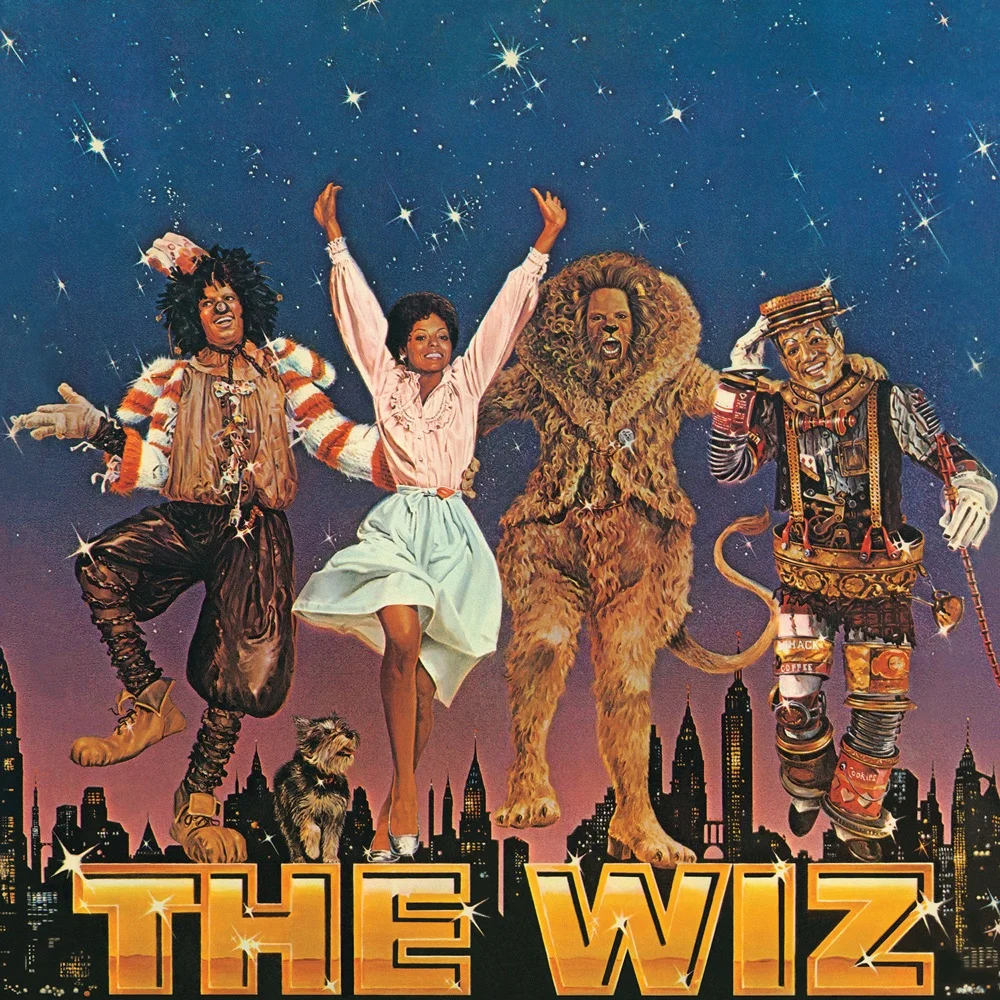
"So You Wanted to See the Wizard" is not a traditional singing contest piece; it is a masterclass in character acting wrapped in a deep funk groove. Performed by Richard Pryor in the 1978 film adaptation of The Wiz, this song requires the vocalist to embody a larger-than-life persona that is equal parts terrifying and fraudulent.
To perform this well, you must deprioritize perfect melody and prioritize rhythm, diction, and "stank face." You are not just singing; you are intimidating an audience while hiding behind a mask. Let's break down the mechanics of the performance.
Phase 1: The Spoken Intro
The song begins with spoken word over a menacing instrumental. The line "I am the Wiz!" must be delivered with chest resonance, not from the throat.
The Trap: Many singers try to shout here. Richard Pryor didn't shout; he projected authority. Imagine you are speaking through a megaphone to a crowd of thousands. Keep the pitch relatively low to maintain dominance.
Phase 2: The Funk Groove
As the drums kick in, the song transitions into a rhythmic recitative style (Sprechstimme). You are speaking on pitch. The key here is the syncopation.
- "Listen to me": Snap these words out. They are percussive instruments.
- "My eyes are green, my eyes are red": Use color in your voice. Change your tone slightly for each description to reflect the shifting nature of the Wizard.
- Breathing: The phrases are short and punchy. Take quick, low breaths so you don't run out of air during the faster rhythmic sections.
Phase 3: The Phony Bravado
The brilliance of Pryor's performance is that you can hear the insecurity underneath the shouting. Toward the end of phrases, let your voice have a little grit or "fry." It adds texture and suggests that the Wizard is a mechanical construct, not a god.
When you deliver the final lines, focus on sharp consonant endings (Ts, Ks, and Ps). The AI Coach looks for clear diction here to ensure the "fear" is communicated effectively.