 Singing Coach AI
Mastering the Big Band Swing
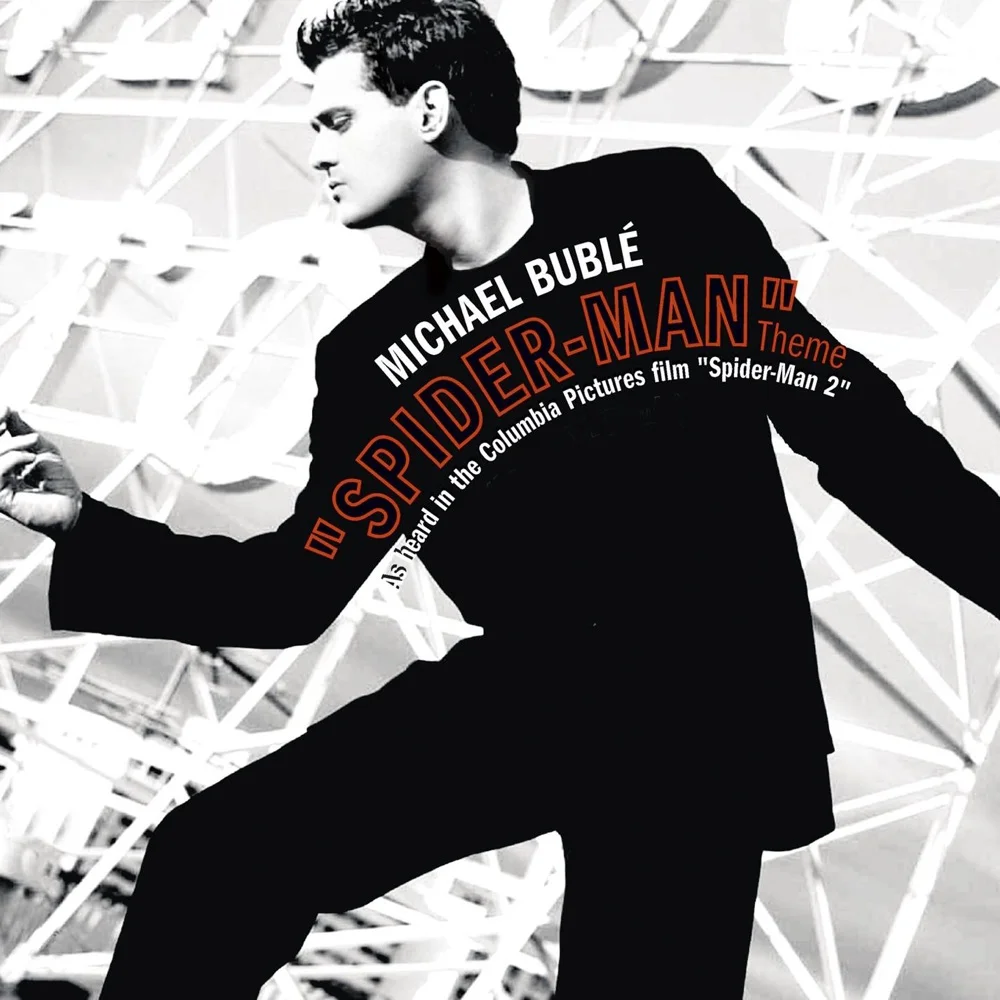
Michael Bublé's rendition of the Spider-Man Theme transforms a classic cartoon jingle into a high-energy Big Band standard. Unlike the original 1967 choral version, Bublé's take relies heavily on charisma, dynamics, and the "crooner" style of singing. It is punchy, rhythmic, and ends with a challenging sustained belt.
To sing this well, you need to channel your inner Frank Sinatra. The difficulty isn't just in the notes—it's in the attitude. You must sit "in the pocket" of the groove, often singing slightly behind the beat to create that relaxed, cool jazz feel.
Phase 1: The Verses (The Swagger)
The song kicks off with a massive brass intro. When you enter with "Spider-Man, Spider-Man," keep your tone forward and bright. Use a "smile" technique (lifting the zygomatic muscles) to brighten the resonance.
Articulation: The lyrics come fast. You need crisp consonants on "Does whatever a spider can." If your diction is lazy, the swing rhythm will sound muddy. Accenting beats 2 and 4 helps lock you into the groove.
Phase 2: The Bridge (Wealth and Fame)
This section ("Wealth and fame, he's ignored...") is where the dynamics shift. You need to drop the volume slightly at the start and crescendo toward the end of the phrase. This creates the dramatic tension typical of Big Band arrangements.
Watch your breath support here. The phrases are long and legato. Ensure you are breathing from the diaphragm to maintain a consistent airflow without gasping.
Phase 3: The Hollywood Ending
The finale is the biggest technical hurdle. Bublé builds up to a massive climax on the line "Action is his re-waaaaard."
- The Belt: The final notes climb up to a G4. This must be sung in full chest voice or a strong mix. Do not flip into falsetto here, or the energy will drop.
- Vibrato: On the final sustained note, start with a straight tone and slowly widen your vibrato. This is a classic "Vegas finish" technique.