 Singing Coach AI
The Defining Sound of Psychedelic Gospel
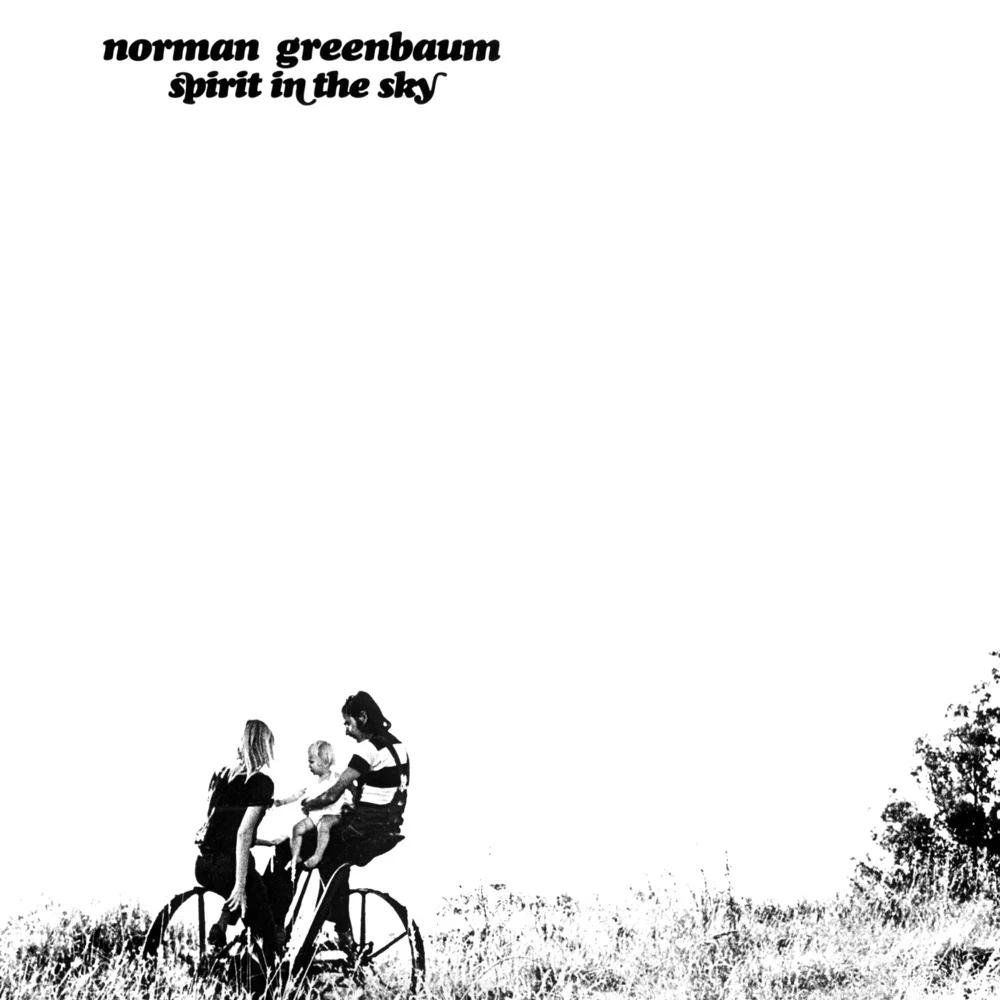
"Spirit in the Sky" is one of the most recognizable one-hit wonders in rock history. Released in 1969 by Norman Greenbaum, the song blends distorted electric guitar (the famous "fuzz box" sound) with gospel-style handclaps and lyrics about the afterlife. It isn't just about hitting the notes; it's about the attitude.
To sing this authenticially, you need to channel a relaxed but gritty delivery. It’s less about perfect operatic technique and more about groove, resonance, and mimicking that electric "fuzz" in your vocal tone.
Phase 1: The Verses (Grit and Storytelling)
The verses ("When I die and they lay me to rest") sit in a comfortable mid-range for most male voices (A2-A3). The challenge here is tone. You don't want to sound too clean or classical.
Technique: Add a little vocal fry or "rasp" to the beginning of phrases. Keep the volume conversational but authoritative. Imagine you are preaching to a crowd with a rock band behind you.
Phase 2: The Chorus (The Hook)
The chorus—"Goin' up to the spirit in the sky"—lifts the energy. You will need to project more here. The melody climbs slightly higher, requiring good breath support to sustain the phrases without shouting.
- Resonance: Aim for a chest-dominant mix. Don't switch to head voice; it needs to sound grounded.
- Vowels: Keep your vowels slightly open and bright to cut through the distorted guitar mix.
- Backing Vocals: The "Spirit in the Sky" echo is crucial. In the app, you can practice singing both the lead and the gospel harmony parts.
Phase 3: The Breakdown and Claps
After the guitar solos, the song breaks down to drums and vocals. This is where your rhythmic precision is tested. The vocals interact directly with the "stuttering" guitar riffs.
Keep your diction crisp on "That's where I'm gonna go when I die." The AI Coach monitors consonant clarity here to ensure the lyrics don't get muddied by the reverb.