 Singing Coach AI
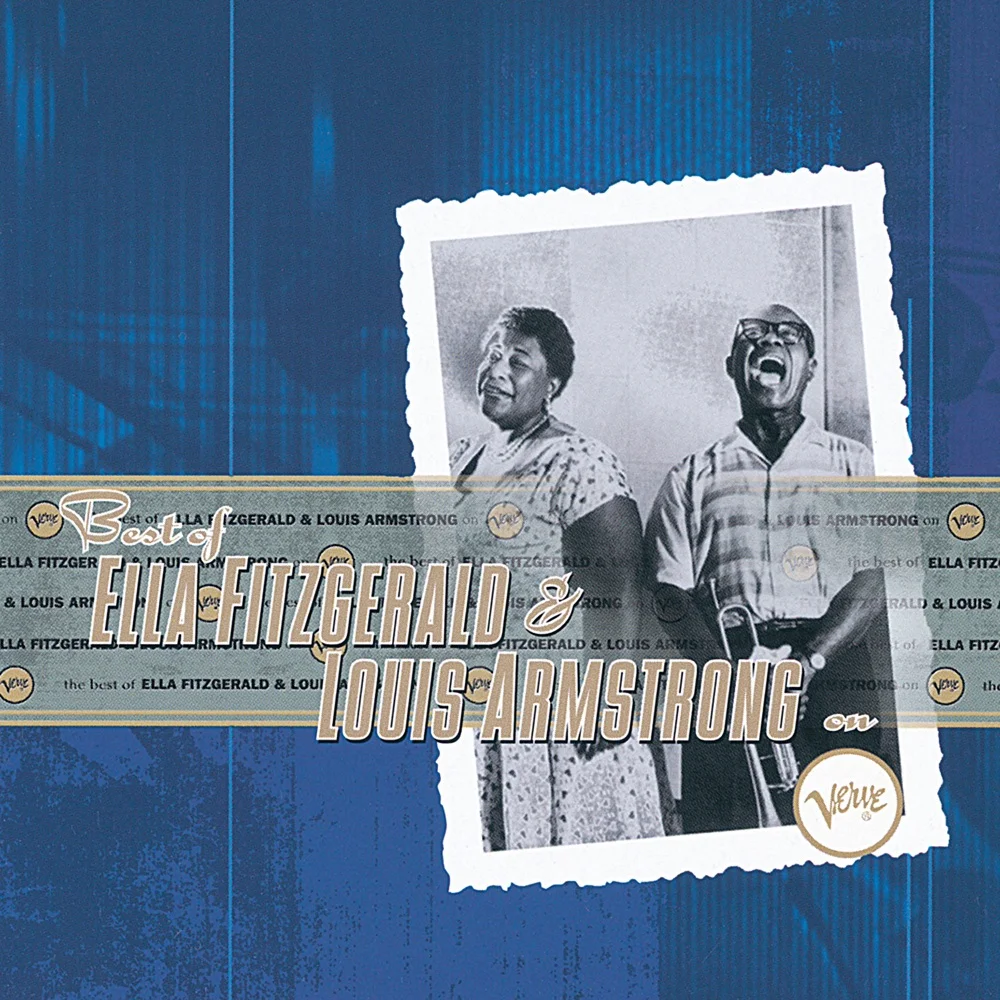
The "Mount Everest" of Jazz Duets
"Stompin’ at the Savoy" captures the magic of the Swing Era. Originally a big band instrumental, the version by Ella Fitzgerald and Louis Armstrong from Ella and Louis Again (1957) transforms it into a relaxed, conversational masterpiece. It’s not about high notes or power belting; it’s about timing, texture, and chemistry.
To sing this well, you need to master two distinct characters: the pristine, bell-like clarity of Ella, and the rhythmic, gravelly warmth of Louis ("Satchmo"). Let's break down how to approach this classic standard.
Phase 1: Ella’s Lead (0:00 - 1:45)
Ella opens the track with impeccable diction and a bright tone. She sits right in the "pocket" of the beat—relaxed, never rushing.
The Technique: Maintain a "forward placement" in your mask resonance. When she sings "Savoy," she uses a light vibrato at the very end of the phrase. Avoid sliding (glissando) too much; Ella hits the center of the pitch instantly.
Phase 2: Louis’s Entrance (1:45 - 3:10)
The contrast is startling. Louis enters with a texture that sounds like heavy rocks tumbling, yet his pitch is surprisingly precise. He often changes the melody, improvising rhythmically like a trumpet player.
The Gravel: To mimic this texture safely, you need to engage your false vocal folds (vestibular folds) gently. Do not squeeze your throat! Think of the sound you make when clearing your throat, but sustain it with breath support. If it hurts or tickles, stop immediately.
Phase 3: The Conversation (3:10 - End)
The magic happens when they sing together. They trade lines and harmonize playfully. This section requires active listening.
- Call and Response: Don't just sing your line; react to the previous line. It should sound like a chat between old friends.
- The Outro: They improvise over the fade-out. This is your chance to try some light "scatting" using syllables like "ba-da-bop" and "dwe-da."