 Singing Coach AI
Mastering the Pop-Rock Anthem
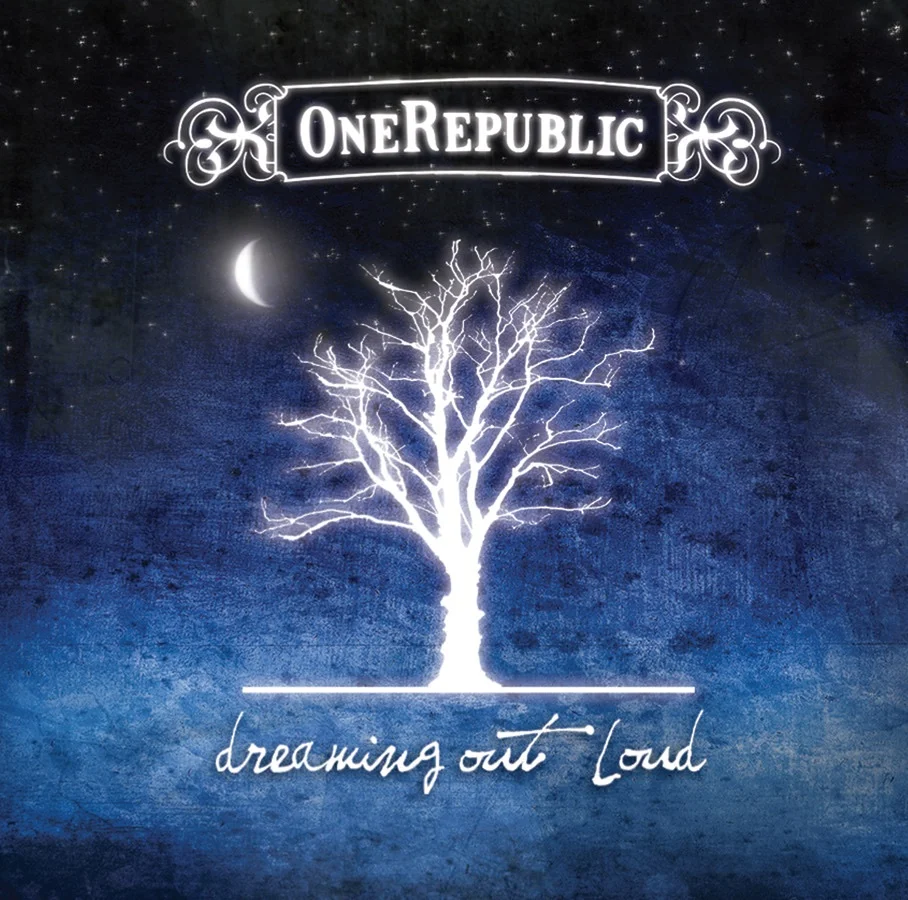
OneRepublic's "Stop and Stare," released on their 2007 debut album Dreaming Out Loud, is a staple of pop-rock vocal performance. Ryan Tedder is known for his incredible range and emotive delivery, and this song serves as a perfect training ground for developing your passaggio (the bridge between chest and head voice).
To sing this well, you need to balance a grounded, conversational tone in the verses with a light, soaring release in the chorus. It is not about raw power; it is about placement and resonance.
Phase 1: The Verses (Low & Controlled)
The song begins in E Major with a driving guitar rhythm. The verses sit comfortably in the E3 to G#3 range. This is your "speaking voice" range. The challenge here is not pitch, but tone.
The Trap: Because the notes are low, singers often get lazy with their breath support, causing the pitch to go flat. Engage your diaphragm gently and enunciate the lyrics clearly, especially on lines like "This town is colder now."
Phase 2: The Chorus (The Lift)
The energy shifts dramatically here. The melody jumps up, requiring you to access your head voice or falsetto. The signature hook "Stop and stare" relies on a clean transition.
- Head Voice: For the higher notes (E5), aim the sound toward the top of your head. Think "light" and "narrow."
- Vowel Modification: On words like "stare," modify the vowel slightly towards "stair-uh" or "steh" to make the high note easier to hold without tension.
- Dynamics: The chorus should feel more open and resonant than the verse, but save your loudest volume for the bridge.
Phase 3: The Bridge (Building Tension)
The bridge ("Untie me now...") is where the grit comes in. You will be singing higher in your chest voice (belting) around C#5 and B4. This contrasts with the lighter falsetto of the chorus.
Use "twang" (narrowing the pharynx) to help cut through the mix without yelling. This section requires stamina, so ensure you are taking quick, deep breaths between phrases.