 Singing Coach AI
The "Psychedelic Croon" Technique
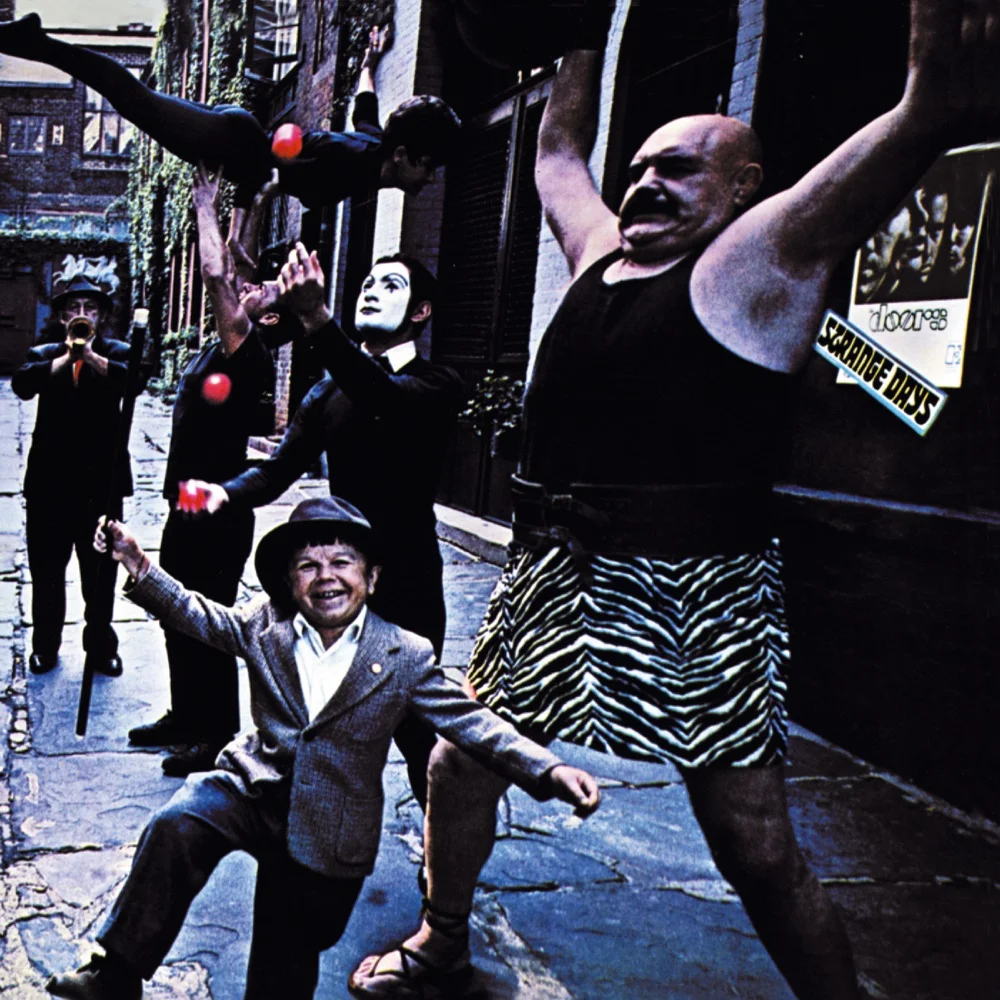
Released in 1967, "Strange Days" is the title track of The Doors' second album. It is famous for its eerie atmosphere, largely driven by one of the earliest uses of a Moog synthesizer in rock music. Vocally, Jim Morrison delivers a performance that bridges the gap between a classic crooner and a psychedelic rock shaman.
To sing this song effectively, you need to master control over your lower register (Baritone range) while maintaining a haunting, detached emotional delivery. The challenge isn't speed or acrobatics—it's tone.
Phase 1: The Verses (Low Register)
The song stays firmly in E Minor. The verses ("Strange days have found us...") sit in the G2 to C3 range. This is the "sweet spot" for Baritones.
The Trap: Many singers try to "growl" too early. Morrison's delivery in the verses is surprisingly clean and relaxed. Keep your chest vibration strong but your volume at a conversational level. Think of it as storytelling.
Phase 2: The Chorus (Building Tension)
As the lyrics repeat "Strange days have tracked us down," the melody lifts slightly. You need to shift your placement forward into the "mask" of your face to cut through the mix.
- Articulation: The Doors' lyrics are poetic. Enunciate the consonants in "Strange" and "Days" clearly, but let the vowels hang in the air.
- Dynamics: Gradually increase your volume. This isn't a sudden jump; it's a slow burn that matches the swirling organ music.
Phase 3: The Outro & Ad-libs
Towards the end of the song, Morrison begins to loosen up, adding grit and higher ad-libs (reaching up to G4). This is where you can unleash the "Rock Belt."
To achieve this grit safely, engage your diaphragm support fully and use a "yelling" coordination—but keep the volume controlled. Do not squeeze your throat; the power should come from your body, not your neck.