 Singing Coach AI
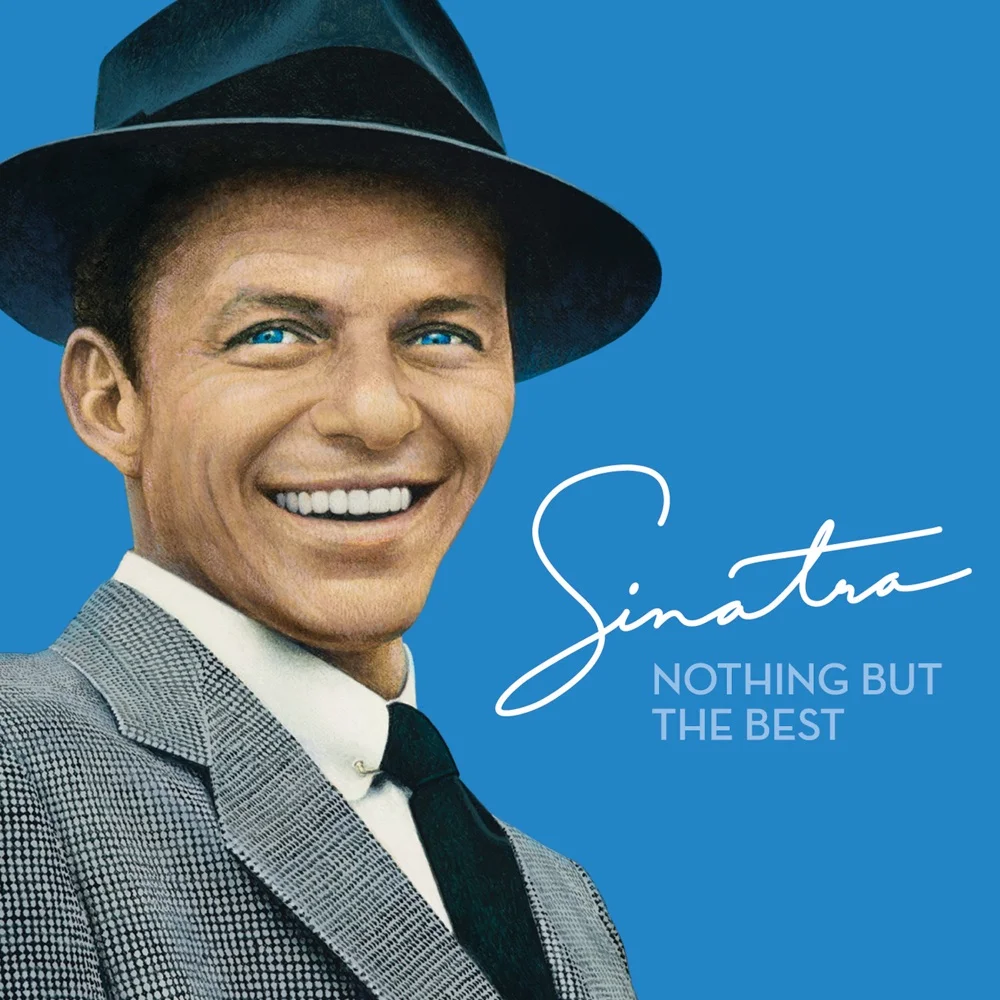
The Art of the Croon
Released in 1966, "Strangers in the Night" became Frank Sinatra's first #1 hit in eleven years. While it may seem simple compared to operatic rock anthems, this song is a masterclass in breath control, legato singing, and the subtle art of "selling" a lyric.
To sing this well, you must resist the urge to belt. The magic lies in the lower register resonance and the conversational delivery. You aren't just singing notes; you are telling a story to someone in a dimly lit room.
Phase 1: The Verses (Low & Warm)
The song begins in F Major. The opening line "Strangers in the night" sits low in the chest voice. The challenge is maintaining clarity without sounding "muddy."
The Trap: Many singers run out of breath before the end of the phrase. Focus on diaphragmatic support to sustain the long notes on "night" and "sight" without the tone wavering. Keep your larynx neutral and your jaw relaxed.
Phase 2: The Bridge (Building Tension)
The section beginning "Love was just a glance away, a warm embracing dance away" moves higher in the range. Here, the dynamics should swell slightly.
- Articulation: Enunciate the consonants cleanly, especially the 't's and 'd's, but keep the vowels long and connected (legato).
- Resonance: As you ascend to the C4 and D4, imagine the sound vibrating in your hard palate (the roof of your mouth) to keep the tone bright but warm.
Phase 3: The Modulation & Outro
The song features a classic key change (modulation) to G Major for the final verse, pushing the energy up. This leads to the most famous improvised outro in music history.
The "Dooby dooby doo" section is not about perfect pitch—it's about rhythm and personality. Sinatra improvised this melody. When recording in the app, feel free to play with the rhythm here. This is where you earn your "style" points.