 Singing Coach AI
The Art of Undersinging
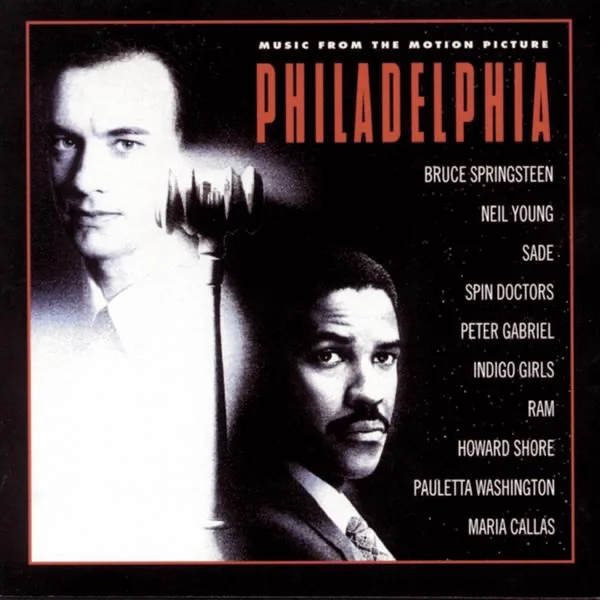
Bruce Springsteen's "Streets of Philadelphia" is a masterclass in vocal restraint. Written for the 1993 film Philadelphia, the song departs from Springsteen's signature E-Street rock sound, opting instead for a haunting, synth-driven loop and a raw, conversational vocal delivery.
The challenge here is not hitting high notes—it is maintaining a consistent, intimate character while singing in the lower register. If you sing this with too much power or "operatic" resonance, you ruin the mood. You must sound close, weary, and real.
Phase 1: The Verse (Talk-Singing)
The melody hovers around A2 and C3. This is classic Baritone territory. The technique here is "Sprechgesang"—a hybrid of speaking and singing. The pitch is there, but the slide between notes is less melodic and more conversational.
The Trap: Dropping the pitch too low at the end of phrases. Keep your support engaged even on the lowest notes like "I was bruised and battered" to prevent the voice from frying out or disappearing.
Phase 2: The Chorus (Subtle Lift)
Unlike a power ballad, the chorus of this song doesn't explode. It stays grounded in the chest voice. The line "walk the streets of Philadelphia" needs to flow smoothly (legato).
- Breath Control: The phrases are long and require steady airflow. Avoid gasping for air between "Streets" and "of Philadelphia."
- Vowel Modification: On words like "gone" and "own," keep the vowels dark and rounded to match the somber backing track.
Phase 3: Rhythm and Feel
The drum loop is mechanical and constant. The vocal, however, should feel slightly loose. Springsteen often sings just a millisecond behind the beat (back-phrasing), which creates that sense of heaviness and burden carried by the narrator.
Don't be a robot. Let the vocal drag slightly, but catch up by the end of the bar.