 Singing Coach AI
The Definitive Funk Vocal Challenge
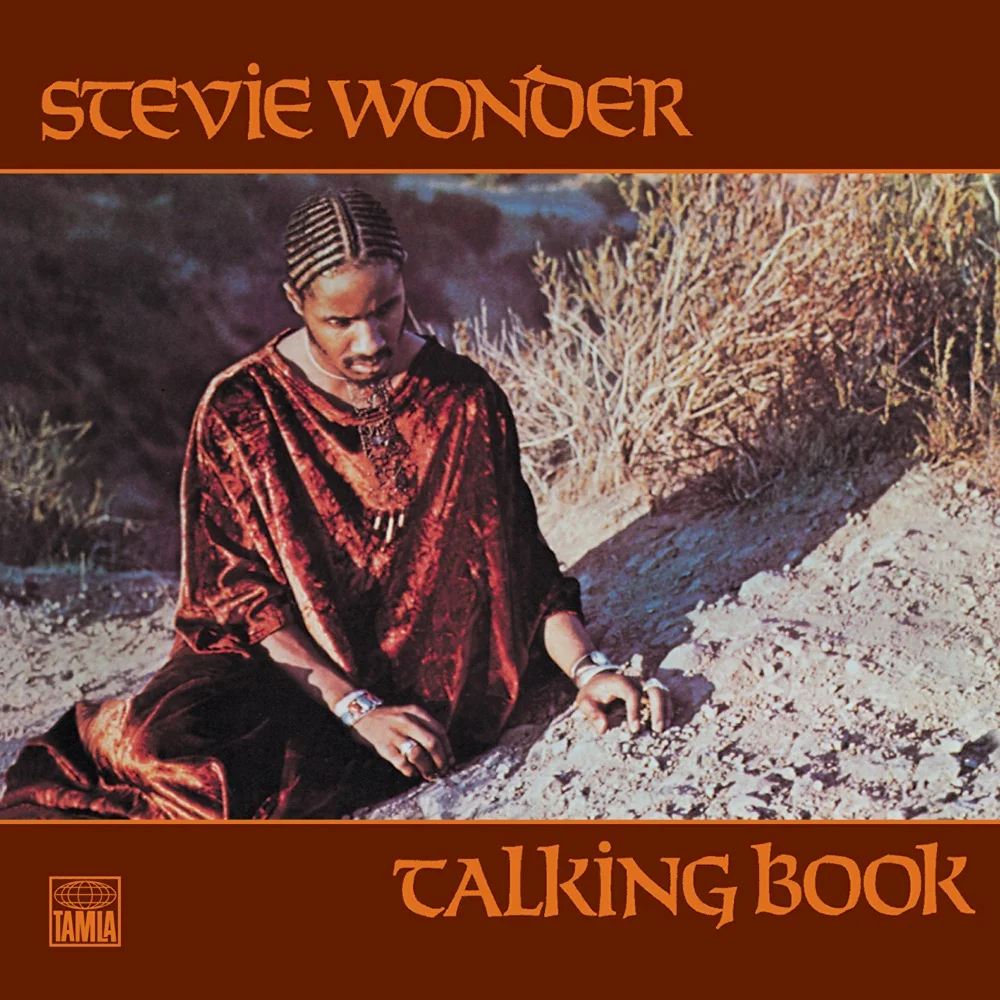
Released on the 1972 album Talking Book, "Superstition" is arguably the greatest funk song ever recorded. While the Hohner Clavinet riff is legendary, Stevie Wonder's vocal performance is a masterclass in rhythm, grit, and endurance. The song sits in a funky Eb Minor pentatonic pocket.
To sing this well, pitch is only half the battle. You need "pocket"—the ability to lock your vocal phrasing tightly with the beat. If you drag, the song loses its energy. Let's break down how to tackle this groove.
Phase 1: The Verses (Attitude & Phrasing)
The melody is repetitive but relies on nuance. The range here is comfortable for most male voices (Eb3 - Bb3). However, the delivery must be percussive.
The Technique: Treat your voice like a drum. Shorten your vowels on lines like "Writing's on the wall." If you sing too legato (smoothly), it will sound like a ballad, which kills the funk vibe.
Phase 2: The Chorus (Power Belt)
On the line "When you believe in things," Stevie jumps up to a Gb4 and belts. The climax comes on "suffer," hitting a strong Ab4. This requires significant breath support.
- Resonance: Keep the sound forward in the "mask" (nose and cheekbones) to cut through the heavy instrumentation.
- Dynamics: Don't shout. Increase intensity, not just volume.
Phase 3: The Outro (Grit & Ad-libs)
This is the hardest part. As the song vamps, Stevie unleashes high screams reaching up to C5. He uses controlled vocal distortion (grit).
To do this safely, engage your false vocal cords slightly above your true cords. Warning: If you feel scratching or tickling in your throat, stop immediately. You are grinding your cords. The sound should come from above the larynx, not from the throat itself.