 Singing Coach AI
The Essence of Southern Swagger
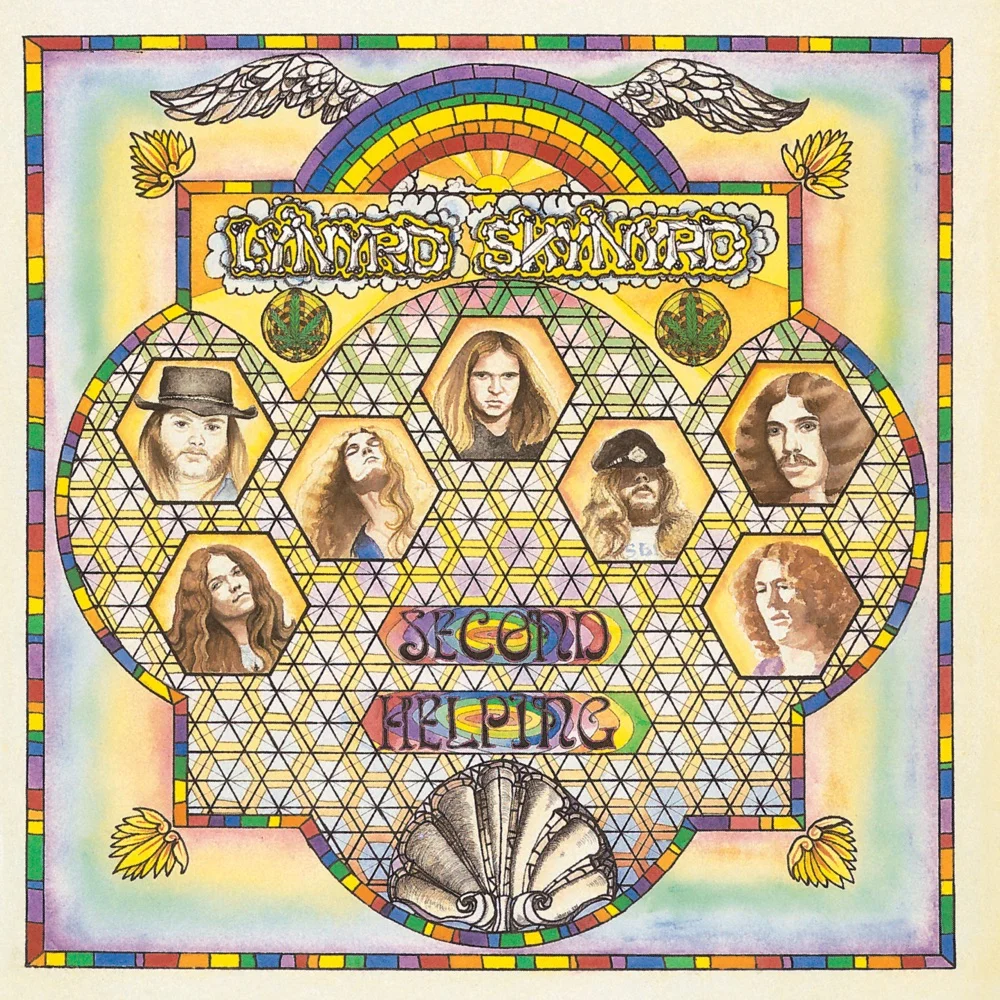
"Swamp Music" is a standout track from Lynyrd Skynyrd's 1974 album Second Helping. While it isn't the most acrobatic song vocally, it is a masterclass in rhythm, attitude, and phrasing. Ronnie Van Zant's delivery is conversational yet punchy, requiring singers to stay perfectly in the "pocket" of the beat.
To sing this well, you need to abandon the clean, polished technique of pop singing and embrace a looser, grittier approach. It's about the feel of the bayou—relaxed, but with an underlying intensity.
Phase 1: The Verse Groove
The verses sit in a comfortable mid-range for most Baritones (G2-D4). The challenge here is diction. Van Zant uses a percussive style on lines like "Goin' down to the swamp."
The Trap: Over-enunciating. This song requires a bit of a drawl. Flatten your vowels (e.g., turn "I" into "Ah") to capture the Southern resonance. Keep your jaw relaxed and loose.
Phase 2: The Chorus Hook
The chorus ("Swamp... Music") features a slight jump in energy and pitch. The word "Swamp" is often attacked with a glottal onset or a slight growl. The melody relies heavily on the blues scale, utilizing flattened thirds and sevenths.
- Resonance: Keep the sound in your chest. Do not let it float up into a light head voice; it needs to sound grounded and earthy.
- The "Hound Dog" Reference: The lyrics reference letting the hound dog loose. Match the energy of the lyrics—playful but driving.
Phase 3: The Call and Response
Throughout the track, the vocals interact directly with Ed King's guitar riffs. It's a call-and-response structure common in blues music. When you aren't singing, listen intensely to the guitar. Your next line should feel like an answer to the riff.
To add the signature grit without damaging your voice, try using a "vocal fry" onset at the beginning of phrases. This adds texture without requiring you to scream.