 Singing Coach AI
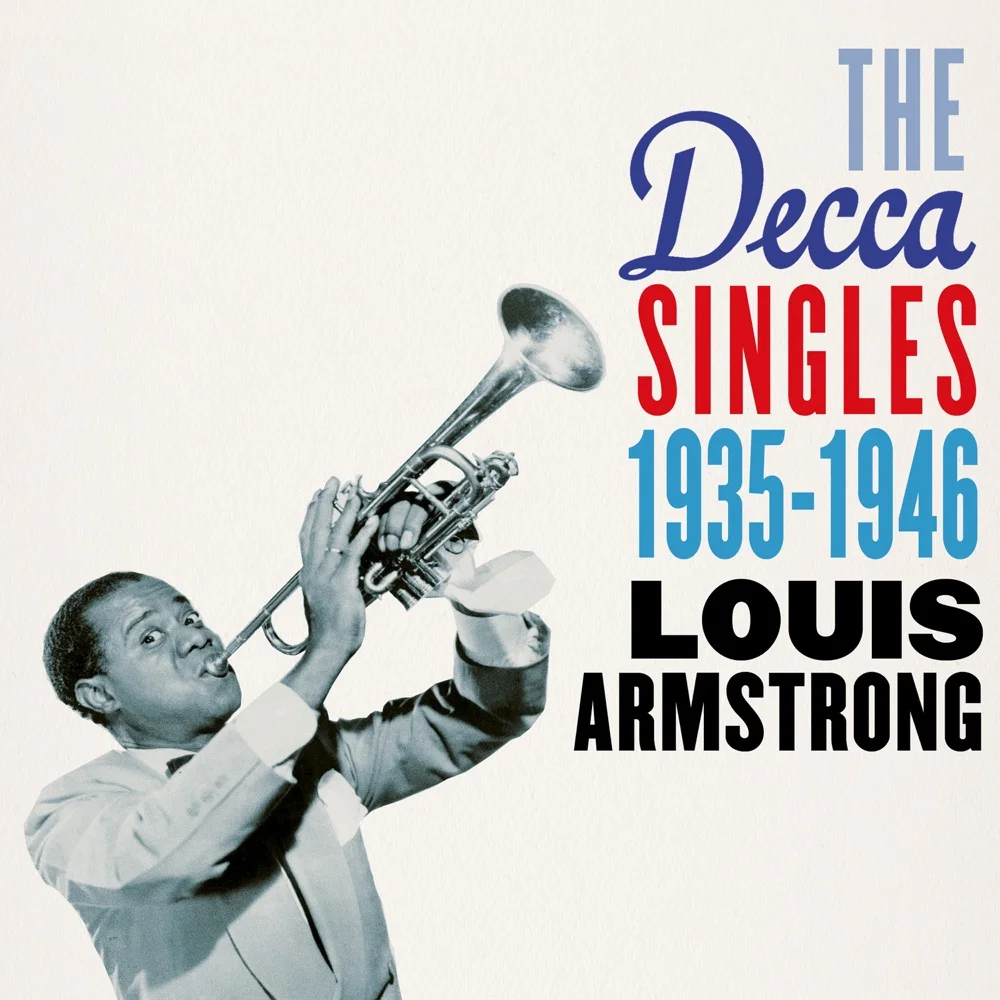
The Ultimate Test of Jazz Stamina
Swing That Music is one of Louis Armstrong's most energetic recordings. It perfectly encapsulates the joy and driving force of the swing era. Unlike modern pop ballads, this song doesn't rely on wide intervallic jumps or high sustained belts; instead, the challenge lies in the relentless tempo and the rhythmic pocket.
To sing this like Satchmo, you need to treat your voice like a brass instrument. The attacks must be sharp, the phrasing needs to bounce, and the energy must remain high from the first bar to the last.
Phase 1: The Verse (Rhythmic Precision)
The song kicks off with high energy. The melody in the verses sits comfortably in the middle chest register (Bb2 to C4). The danger here is rushing.
The Trap: Because the band is playing fast, singers often try to push ahead of the beat. Armstrong was a master of "back phrasing"—singing slightly behind the beat to create a relaxed, cool feel despite the frantic tempo.
Phase 2: The Growl & Tone
Louis Armstrong is famous for his gravelly voice. However, forcing this sound can damage your vocal cords. This texture comes from the false vocal folds.
- Safe Distortion: If you cannot do this naturally, do not force it. Focus instead on the placement of the sound. Keep it forward in the mask (nose and cheekbones) to get that bright, brassy quality.
- Diction: Consonants are your percussion. Hit the "T"s and "K"s hard to mimic the attack of a trumpet.
Phase 3: The Climax
As the song progresses, the intensity builds. Armstrong often improvised melodies or used scat syllables to heighten the excitement. The range tops out around E4 (or higher depending on the specific live version), but it's shouted with joy rather than sung with classical technique.
Maintain your breath support. Short, rhythmic breaths are necessary to keep up with the lyrics without running out of air.