 Singing Coach AI
The Art of Conversational Singing
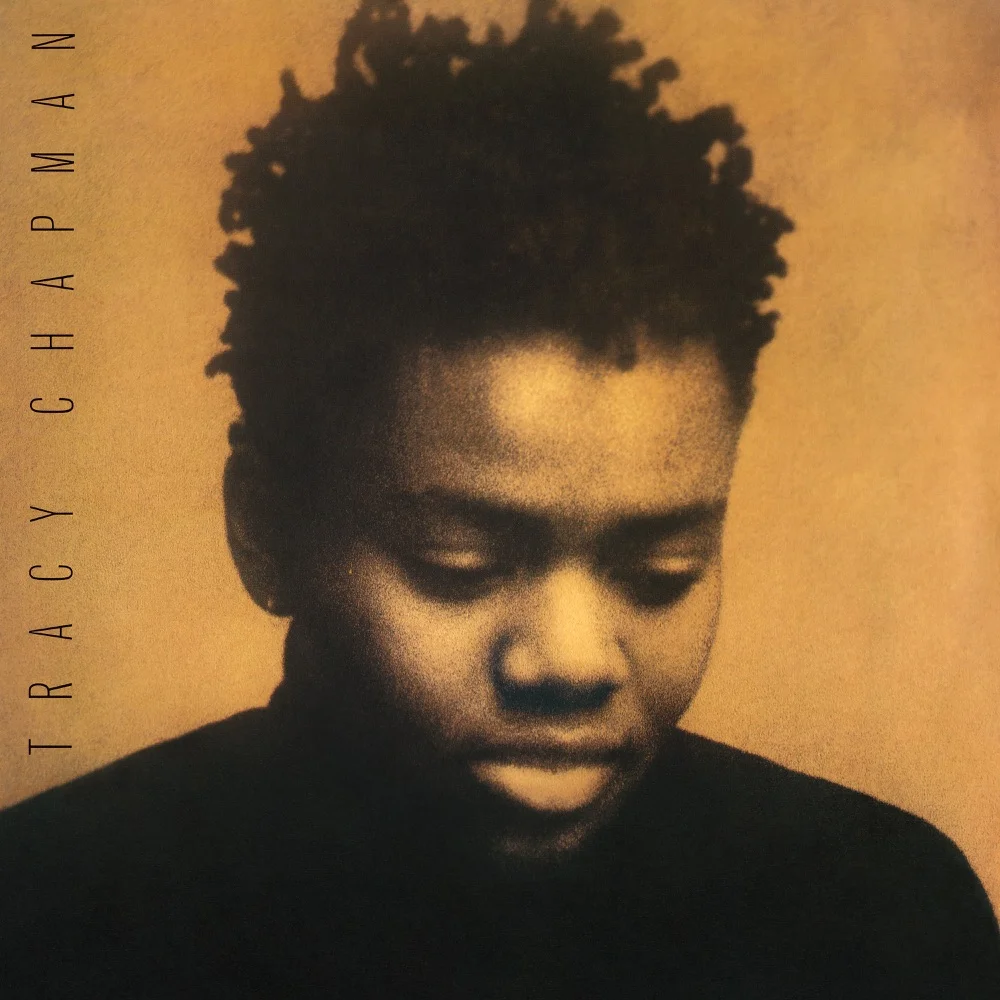
Released on her self-titled debut album in 1988, Talkin’ Bout a Revolution is a masterpiece of understated power. Unlike big pop ballads that rely on high notes and acrobatics, this song relies on raw emotion, perfect timing, and a rich chest voice. It captures the feeling of a revolution starting as a whisper.
To sing this well, you must resist the urge to "perform" it too theatrically. The magic lies in the intimate, storytelling delivery, as if you are speaking directly to someone next to you. Let's break down the technique.
Phase 1: The Verses (Speech-Level Singing)
The song begins in G Major with a repetitive, hypnotic guitar strum. The verses ("Don't you know / They're talkin' bout a revolution") sit low in the range, around G3 to D4.
The Challenge: Singing low volume without losing pitch. When we whisper or sing quietly, we often let the pitch droop flat. Keep your breath support engaged even when singing softly to maintain a steady G3.
Phase 2: The Chorus (Controlled Power)
The chorus ("Poor people gonna rise up") brings a slight lift in volume and pitch, moving up toward A4 and B4. However, this is not a belt; it is a "call."
- Resonance: Keep the sound vibrating in your chest. If you move into head voice here, you will lose the folk/rock authenticity.
- The "Run": The line "And take what's theirs" requires a quick rhythmic delivery. Practice this slowly to lock in the syncopation.
Phase 3: Dynamics and The Build
The song is a crescendo. It starts intimate and ends with urgency. The final repetitions of "Talkin' bout a revolution" should be sung with more "twang" and forward placement to cut through the mix, signifying that the whisper has become a shout.
Ensure you do not blow your voice out early in the song. Save your air volume for the final minute of the track.