 Singing Coach AI
The Quintessential Doo-Wop Ballad
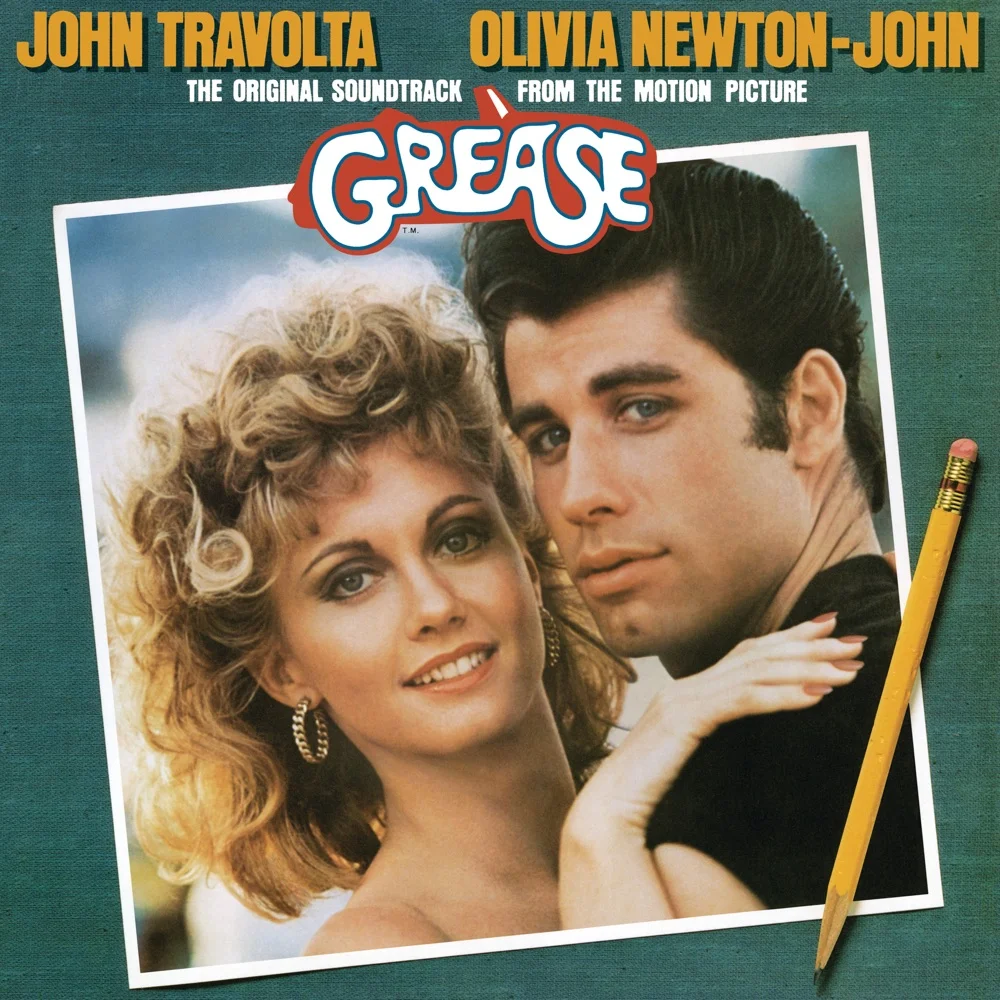
"Tears on My Pillow" is a vocal standard. Originally recorded by Little Anthony and the Imperials in 1958, Sha Na Na's cover famously appeared in the Grease soundtrack, bringing the 50s sound to a new generation. This track relies less on power and more on texture, vibrato, and emotional sincerity.
To sing this well, you need to master the "12/8 feel" (the triplet rhythm underlying the beat) and maintain a seamless legato line. The song is short, but there is nowhere to hide if your pitch wavers.
Phase 1: The Verse (0:00 - 0:45)
The song opens with the iconic hook: "You don't remember me, but I remember you." This sits comfortably in the middle chest register for Baritones. The challenge here is breath management.
The Trap: Singers often run out of air before the end of the phrase. Take a deep, low breath before you start, and conserve your air so you can hold the final note of the phrase with a gentle vibrato.
Phase 2: The Bridge (0:45 - 1:15)
The energy lifts here. The lyrics "Love is not a gadget, love is not a toy" require a slight increase in volume and intensity. The melody climbs slightly higher, touching the F4 region.
- Articulation: Enunciate the consonants clearly, especially on words like "broken" and "toy."
- Dynamics: Swell into the phrase. Don't start too loud; let the emotion build naturally.
Phase 3: The Outro
The song cycles back to the main theme. The final notes are often ad-libbed in Doo-wop styles. You can either stay on the melody line or, if you are comfortable, slip into a falsetto for the final fade-out to add a touch of vulnerability to the performance.