 Singing Coach AI
Mastering the "Conversational" Tone
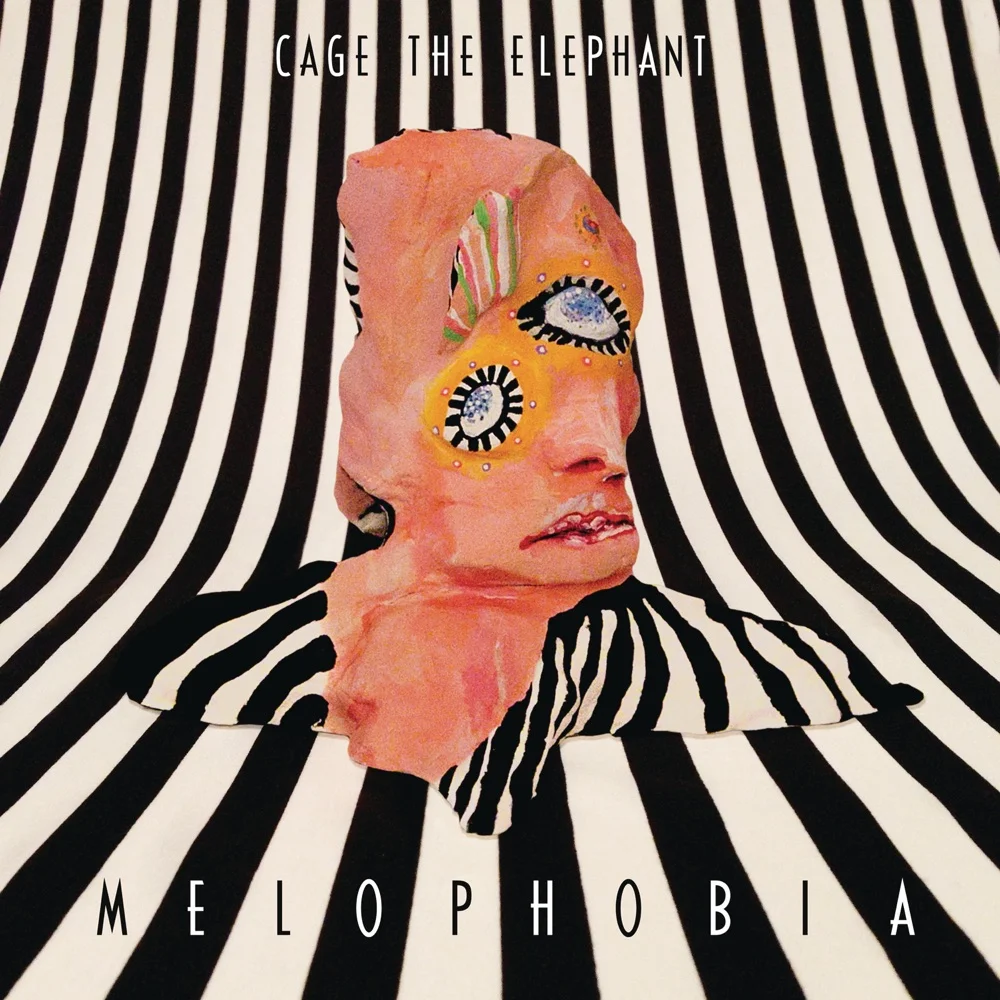
Telescope is a standout track from Cage the Elephant's acclaimed album Melophobia. Unlike high-energy rock anthems, this song requires a more restrained, introspective approach. Matt Shultz delivers the lyrics with a conversational quality that sits comfortably in the middle register, making it accessible for Baritones and Tenors alike.
To sing this well, you need to focus on phrasing and emotional connection. The song tells a story of isolation and reflection ("In a mirror I can see, I see you looking back at me"). The vocal performance shouldn't feel performed; it should feel confessed.
Phase 1: The Verses (0:00 - 1:12)
The song begins in F Major. The melody is repetitive and rhythmic, hovering around the C3-A3 range. The key here is articulation.
The Trap: Because the notes are low and the delivery is casual, singers often lose pitch definition, sounding "mumbled." Ensure you are hitting the center of the pitch even when singing quietly.
Phase 2: The Chorus (1:12 - 1:45)
The line "Time is like a leaf in the wind" introduces a melodic lift. While it doesn't jump extremely high, the energy shifts.
- Resonance: Shift the resonance slightly forward into the "mask" of your face to give the tone a bit more brightness compared to the verses.
- Phrasing: The lines are longer here. Ensure you have taken a deep, diaphragmatic breath before the chorus hits so you don't run out of air mid-sentence.
Phase 3: The Emotional Build (2:45 - End)
Towards the end of the song, the instrumentation swells, and the vocals need to match that intensity. You aren't belting a high note, but you are adding weight to the voice.
Maintain that chest connection but allow a bit of "cry" or vocal break into the tone to sell the emotion of the lyrics "Let me go."