 Singing Coach AI
A Masterclass in Northern Soul Vocals
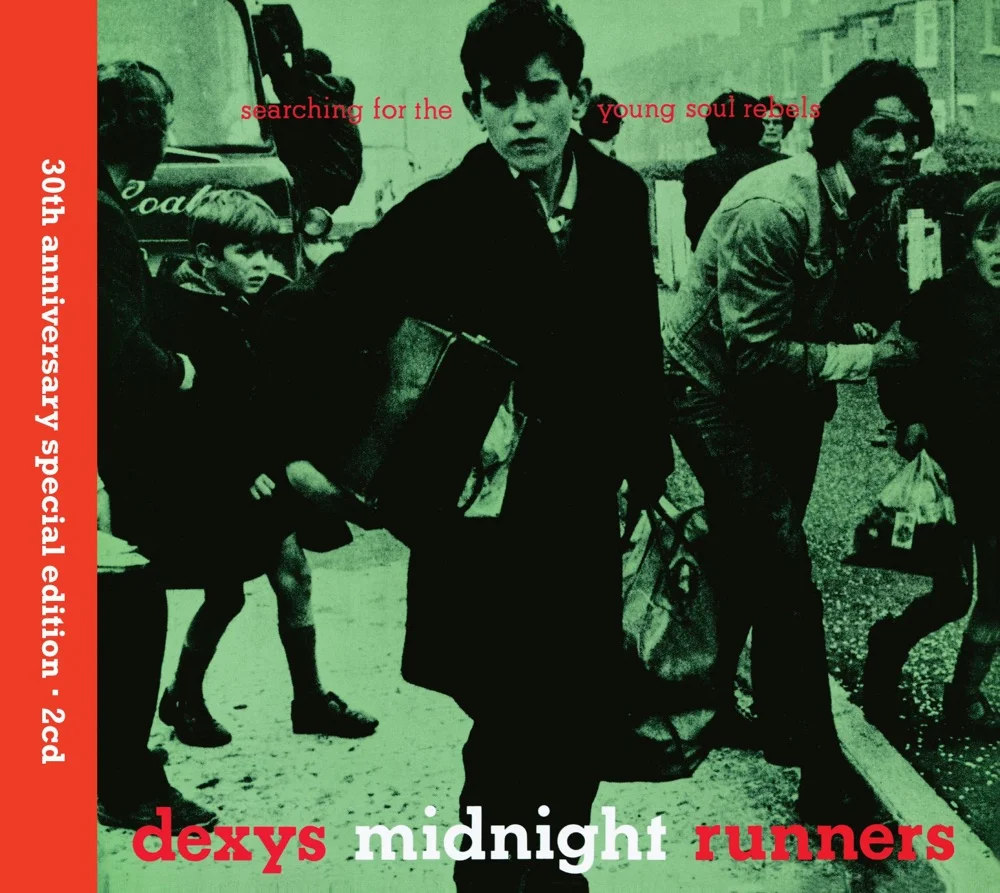
"Tell Me When My Light Turns Green" is a standout track from Dexys Midnight Runners' debut album, Searching for the Young Soul Rebels. While not as technically wide-ranging as some pop ballads, it requires a unique blend of attitude, rhythm, and emotional vulnerability. Kevin Rowland's vocal style is idiosyncratic—often described as a "crying" style—which can be tricky to emulate without sounding forced.
To sing this well, you need to lock into the groove of the bass and brass. The vocal line often plays off the beat, creating a sense of urgency. Let's break down exactly how to tackle this soulful anthem.
Phase 1: The Verses
The song starts with a driving bassline. The entry "I was over twenty-one..." needs to be delivered with a punchy, almost spoken-word quality initially, building into melody. The key here is not to drag. The tempo is brisk, and your vocals need to be agile.
The Trap: It's easy to run out of breath because the lines are quite dense. Practice "staggered breathing"—taking quick, silent sips of air between the short phrases rather than waiting for a long pause that never comes.
Phase 2: The Chorus Hook
The titular line "Tell me when my light turns green" is the release. This should be sung with a forward, brassy tone. Imagine your voice is a trumpet joining the horn section. There is a sense of desperation in the lyrics that needs to come through in the tone color—don't sing it too "prettily."
- Rhythm: The delivery is staccato. Don't sustain the notes too long or you'll drag the beat.
- Pitch: The melody steps down in the scale. Ensure you don't go flat on the bottom notes of the phrase.
Phase 3: The Ad-libs and "Whoa-oh"
Towards the end of the track, the song opens up into a classic soul jam. The "Whoa-oh" backing vocals provide a bed for you to improvise or stick to the main melody. If you choose to ad-lib like Rowland, use a "head voice mix" to get those higher yelps without straining your throat.
To capture the Dexys sound, try to incorporate a slight "break" in your voice on higher notes, mimicking the emotional strain of classic soul singers like Otis Redding.