 Singing Coach AI
Mastering the Eurodance Groove
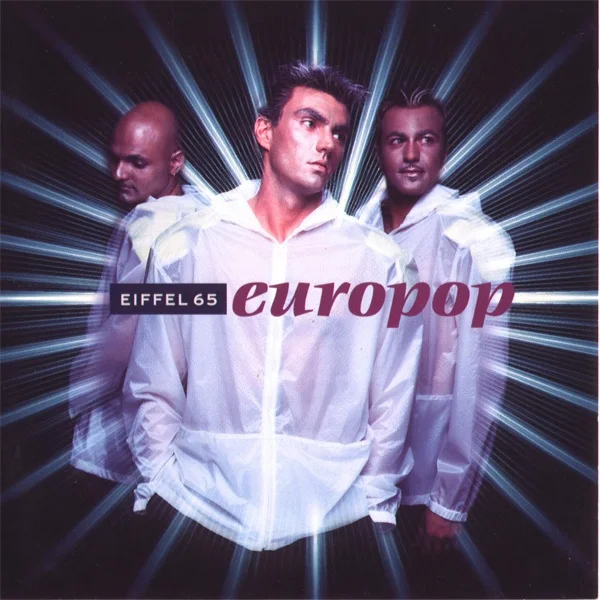
"The Edge" by Eiffel 65 is a hidden gem from their smash hit album Europop. While the group is most famous for "Blue (Da Ba Dee)," this track showcases Jeffrey Jey's distinct vocal style: a deep, resonant Baritone delivery mixed with rhythmic spoken-word elements. It's less about hitting high notes and more about locking into the pocket of the beat.
To perform this well, you need to channel a "cool," detached confidence. The melody sits comfortably in the speech range for most male singers, but maintaining pitch accuracy while delivering the lyrics at 130 BPM requires excellent breath support.
Phase 1: The Verse (Chest Voice)
The song is in B Minor. The verses are delivered almost in a monotone, spoken-sung style. You want to use your full chest resonance here.
The Technique: Keep your larynx neutral. Do not push for volume; let the microphone (or your phone) do the work. The focus should be on clear diction so the lyrics cut through the heavy synthesizer bassline.
Phase 2: The Chorus (The Hook)
Here the melody opens up. While still within a comfortable range, the notes become more legato (connected). You need to switch from the rhythmic, staccato delivery of the verse to a smoother flow.
- Pitch Accuracy: The synthesizer melody doubles the vocal line often. If you are flat, it will clash noticeably with the backing track.
- Tone: Aim for a "forward placement" where you feel the vibration in your mask (front of the face) to mimic that bright Eurodance sound.
Phase 3: The Electronic Vibe
Eiffel 65 heavily utilized the vocoder and early pitch-correction effects for stylistic reasons. When singing this acoustically or for a score, you shouldn't try to sound robotic.
Instead, focus on hitting the center of the pitch instantly without scooping up to it. This "straight tone" singing creates the modern, electronic feel without needing actual audio processing.