 Singing Coach AI
The Psychedelic Masterpiece
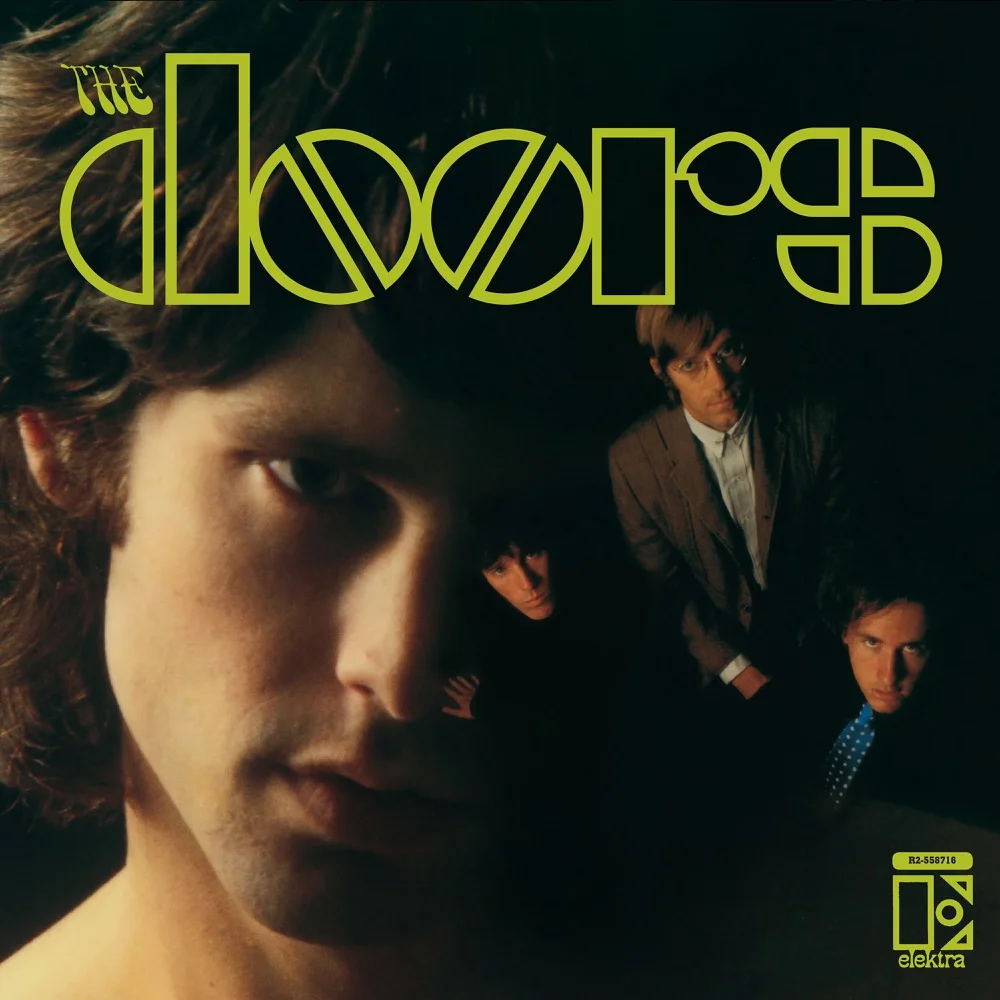
"The End" isn't just a song; it's a piece of performance art. Clocking in at nearly 12 minutes, this track from The Doors' 1967 debut album defines the psychedelic rock era. It combines Indian Raga influences with Greek tragedy.
To sing this well, you must channel Jim Morrison's unique "Lizard King" persona. It requires a deep, resonant Baritone chest voice, impeccable timing for the spoken word sections, and the ability to unleash a primal scream without hurting your vocal cords.
Phase 1: The Croon (0:00 - 6:00)
The song begins in D Dorian. The opening line "This is the end" should be sung with a soft, breathy texture, but anchored in chest resonance. Keep your larynx neutral or slightly lowered to achieve Morrison's signature "crooner" tone.
The Trap: Do not rush. The instrumentation is loose and improvisational. Listen to the drums and sit back in the pocket. The AI Coach will penalize you for anticipating the beat too early.
Phase 2: The Spoken Journey (6:00 - 9:00)
Here, the singing stops and the poetry begins. "The killer awoke before dawn..." This section is about storytelling. Vary your dynamics—whisper to draw the listener in, then raise your volume slightly to build tension.
- Diction: Enunciate the consonants clearly, especially on words like "Snake" and "Ancient".
- Rhythm: Treat your voice like a percussion instrument. Lock into the groove of the bassline.
Phase 3: The Climax (9:00 - End)
The famous "Oedipal" section builds into a chaotic crescendo. As the band speeds up, your vocal energy must match them. The repeated chants of "Kill, Kill, Kill" and the final screams require a technique called vocal distortion.
To scream safely, use your false cords (vestibular folds) rather than grinding your true vocal cords together. Push from your diaphragm, not your throat. If you feel tickling or pain, stop immediately.