 Singing Coach AI
The Ultimate Test of Emotional Vocals
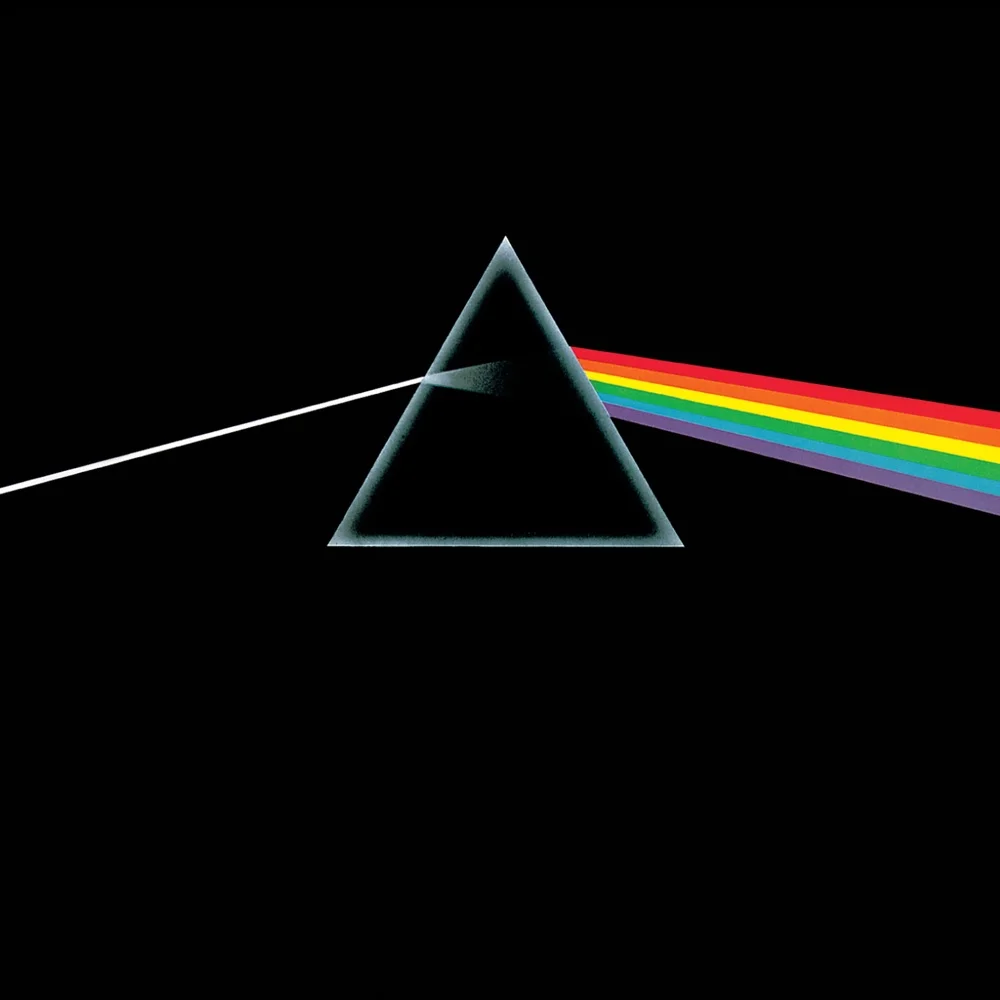
The Great Gig in the Sky is a vocal outlier in the world of rock. Featured on Pink Floyd's 1973 album The Dark Side of the Moon, it showcases a stunning, wordless improvised solo by session singer Clare Torry. With no lyrics to hide behind, the song relies 100% on tone, agility, and raw emotion.
Singing this piece requires immense breath support and the ability to navigate the transition between chest and head voice seamlessly. The performance is essentially a three-part vocal journey: the buildup, the scream, and the comedown.
Phase 1: The Buildup (1:07 - 1:40)
The song begins in G minor. The vocals enter tentatively, weaving through the instrumentation. This section is about control. You shouldn't be pushing for volume yet.
The Trap: Many singers start too aggressive. Keep the tone breathy and soulful. Think of it as a Gospel moan rather than a Rock scream at this stage. Focus on sliding (glissando) between notes rather than hitting them staccato.
Phase 2: The Scream (1:40 - 2:30)
The intensity peaks here. Clare Torry jumps into her upper register, hitting sustained high notes (around A5/Bb5). To replicate this sound safely, do not drag your heavy chest voice up.
- The Glissando: The signature of this song is the slide. Practice sliding from a G4 up to a G5 slowly. Ensure there is no "break" or yodel effect.
- Resonance: Place the sound in your "mask" (the front of your face/nose area). If you feel the vibration in your throat, you are straining.
- Improvisation: While you can copy the original, the AI Coach also rewards staying in key while creating your own melodic lines.
Phase 3: The Comedown (2:30 - End)
As the energy dissipates, the vocals drop back down into a lower register. This requires a rapid switch from high-energy belting to a soft, almost weeping tone. The breath control required here is actually harder than the loud sections because you are running out of air.
Use "vocal fry" sparingly at the very ends of phrases to add texture and emotional weight to the finale.