 Singing Coach AI
Mastering the Art of Doing Nothing
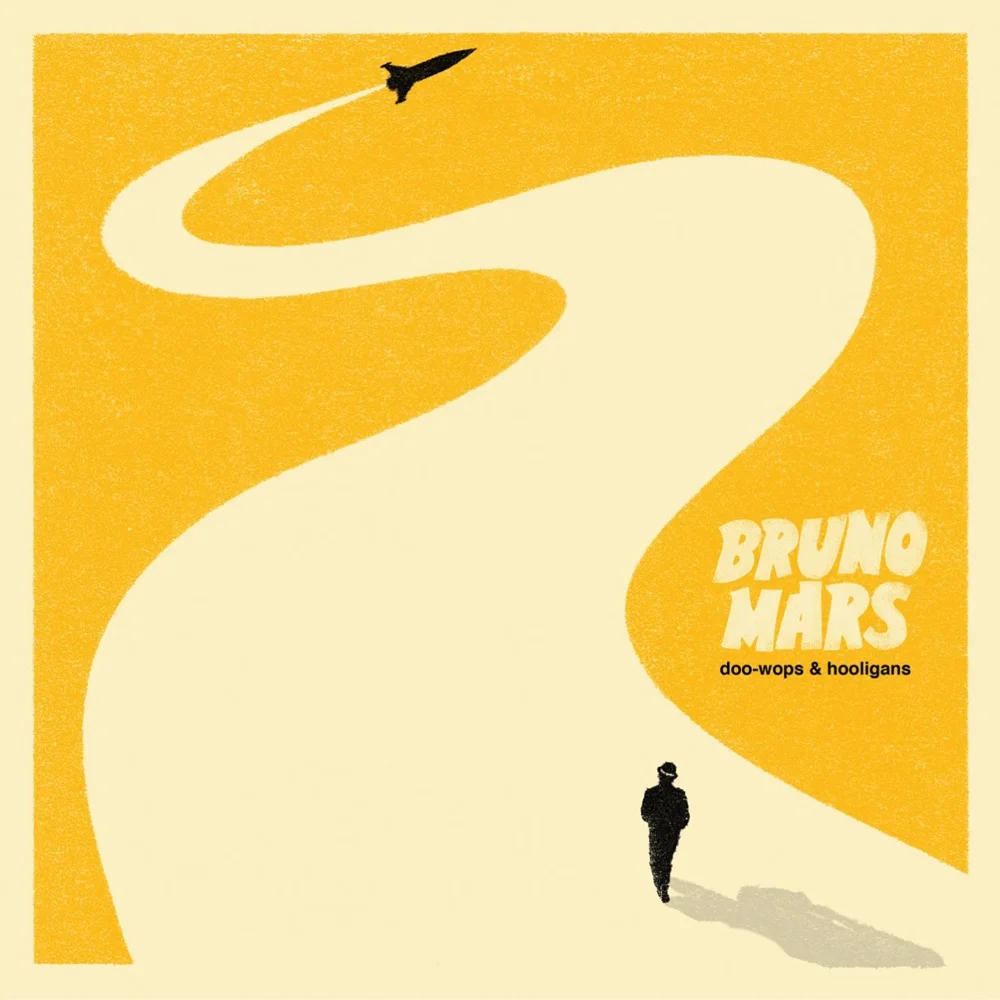
Bruno Mars' "The Lazy Song" is a masterclass in Pop-Reggae fusion. Released in 2011 on the album Doo-Wops & Hooligans, this track seems effortless on the surface, but requires precise rhythmic timing and a bright, resonant tone to execute correctly.
To sing this well, you need to lock into the groove. The challenge lies in maintaining a conversational, laid-back delivery while navigating a melody that sits surprisingly high in the male vocal range. Let's break down exactly how to tackle it, section by section.
Phase 1: The Verses (Rap-Singing Style)
The song begins in B major. The verses ("I'm gonna kick my feet up") are sung in a style closer to rhythmic speaking than melodic singing. This requires crisp diction.
The Trap: It's easy to sound bored instead of relaxed. Keep a "smile" in your voice (literally lift your cheeks slightly) to maintain the bright tone characteristic of Bruno Mars, even when singing low.
Phase 2: The Chorus Highs
The energy lifts significantly here. The line "Today I don't feel like doing anything" jumps up in the register. You need a forward-placed mixed voice.
- Breath Support: The chorus lines are long phrases. Take a deep, low breath before "Today."
- The High Note: The word "Nothing" and the ad-libs often hit a G#4 or B4. Avoid yelling. Use twang to thin out the vocal folds and hit these notes safely.
- Tone Color: Keep it light. If you bring too much heavy chest weight up, you will go flat.
Phase 3: The Bridge (2:15 - 2:35)
The breakdown ("Oh yes I said it, I said it...") builds tension. This is the vocal peak of the song. The repetition allows you to build volume and intensity before dropping back into the final relaxed chorus.
Focus on the rhythmic attack of "I said it" to match the staccato nature of the backing track.