 Singing Coach AI
The One-Man Doo-Wop Group
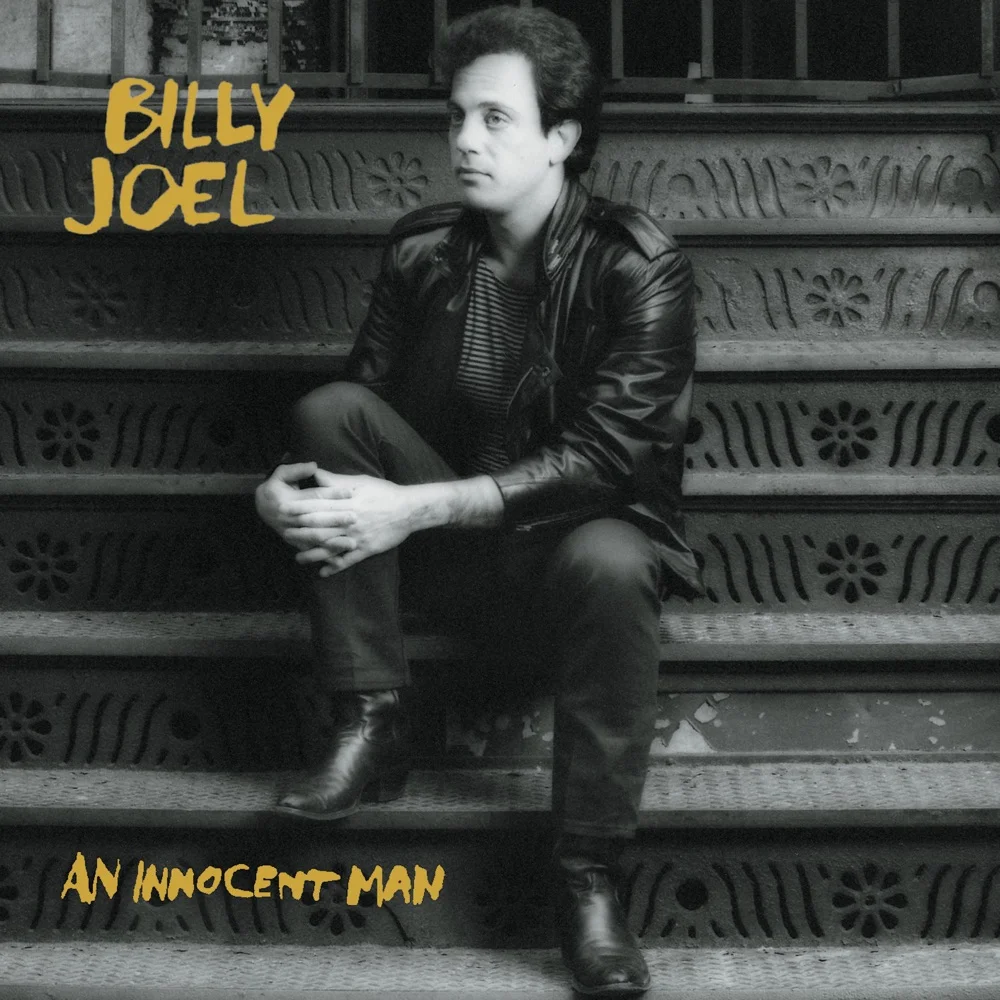
"The Longest Time" is a vocal masterpiece from Billy Joel's 1983 album An Innocent Man. Intended as a tribute to the doo-wop and R&B groups of the 1950s like Frankie Lymon and the Teenagers, the song features Joel performing 14 separate vocal tracks layered together. It notably lacks standard instrumentation, relying almost entirely on vocals, hand snaps, and a bass guitar.
Singing this song requires excellent rhythm and the ability to switch seamlessy between a warm chest voice for the verses and a light falsetto for the bridges and hooks. Here is how to tackle the lead vocal.
Phase 1: The Verses (Mid-Range Control)
The verses ("If you said goodbye to me tonight...") sit in a very comfortable range for most Tenors and Baritones (Eb3 - Bb3). The challenge here isn't pitch; it's style. You want a conversational, slightly percussive delivery.
The Trap: Don't slur your words. Doo-wop requires crisp diction so the lyrics cut through the wash of background harmonies.
Phase 2: The Falsetto Hooks
Throughout the song, and especially in the intro and outro, you need to hit high harmonies and the signature "Whoa-oh-oh" lines. These reach up to an Eb5.
- Placement: Keep the sound forward in your "mask" (nasal resonance) to get that bright, ringing 50s tone.
- Volume: Do not push air. If you push chest voice this high, you will sound like a rock singer, not a doo-wop crooner. Keep it light and airy.
Phase 3: The Bridge (Emotional Dynamics)
The bridge ("I'm that voice you're hearing in the hall...") brings more intensity. The melody climbs, and you need to add a bit more "cry" into your voice to sell the emotion of the lyrics.
Ensure you take a solid breath before the line "And the greatest miracle of all," as it requires a long sustained phrase that transitions back into the falsetto hook.