 Singing Coach AI
Mastering the Jolly Rhythms of Oz
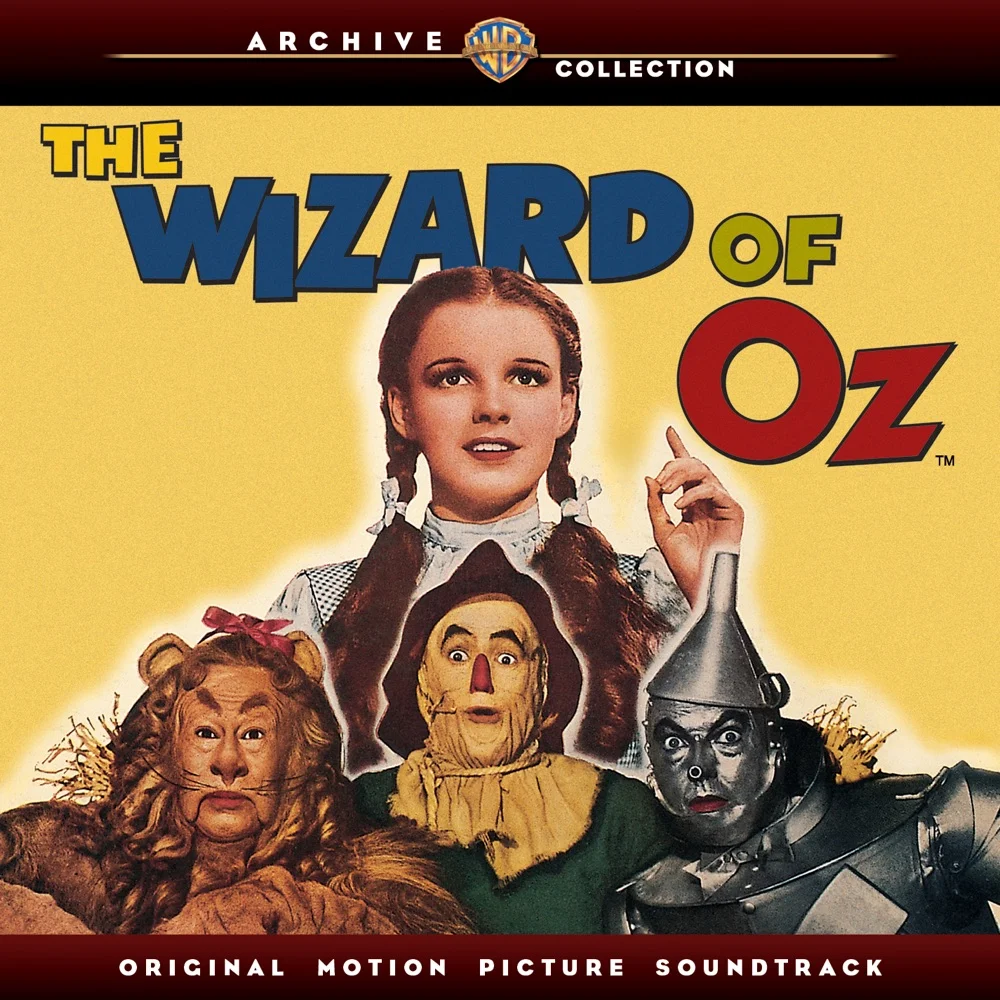
Singing "The Merry Old Land of Oz" is less about hitting a high C and more about character, diction, and infectious energy. Written by Harold Arlen for the legendary 1939 film, this song captures the bustling excitement of the Emerald City. It requires you to switch between singing and "speak-singing" with a smile in your voice.
To score high on this track, you need to abandon the somber tone of a ballad and embrace a bright, forward placement (mask resonance). Let's break down the key technical challenges.
Phase 1: The Character Verses (Recitative)
The verses sung by the manicurists, polishers, and Frank Morgan are conversational. The lines "Pat, pat, here's a little pat" and "Rub, rub, here's a little rub" must be crisp.
The Trap: Singers often get lazy with consonants. You must exaggerate the 'T's and 'B's at the end of words. The AI Coach listens specifically for the silence between these staccato notes.
Phase 2: The "Ha-Ha" Chorus
The iconic "Ha-ha-ha, Ho-ho-ho" refrain is the heart of the song. It sounds easy, but maintaining pitch while laughing is difficult.
- Breath Support: Do not laugh from your throat; pulse from your diaphragm. Each "Ha" should be a distinct musical note.
- Staccato: Keep the notes short and detached. If you connect them (legato), it loses the joyful bounce.
- Harmonies: In the app, you can choose to sing the melody or the high harmony parts. The high parts reach up to E5 and require a light head voice.
Phase 3: The Jolly Finale
As the song builds to the end ("And a couple of tra-la-las"), the energy must remain high. The final unison section requires blending your voice so it doesn't stick out. Think of your voice as a trumpet—bright, brassy, and clear.
This song is excellent practice for improving your rhythmic accuracy and vocal agility without straining your range.