 Singing Coach AI
A Lesson in Character and Diction
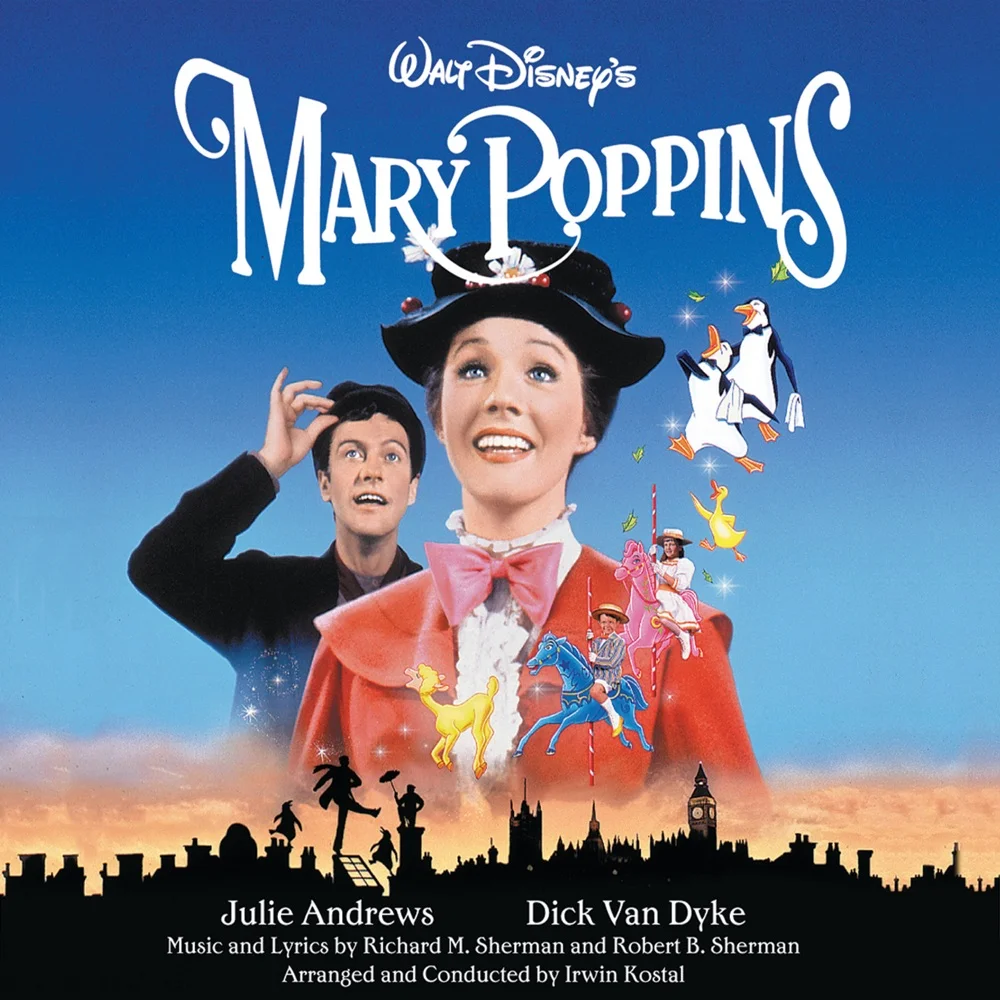
The Perfect Nanny is more than just a children's rhyme; it is a pivotal moment in Mary Poppins where Jane and Michael Banks articulate their desires for a kinder caregiver. Composed by the Sherman Brothers, the song requires a different skill set than power ballads: impeccable diction, rhythmic accuracy, and acting.
Because the song is performed by children (Karen Dotrice and Matthew Garber), the melody is simple and repetitive. The challenge is keeping it engaging without rushing the tempo.
Phase 1: The Advertisement (0:00 - 0:45)
The song begins in F Major with a strict, march-like tempo. When singing "If you want this choice position, have a cheery disposition," you must prioritize clarity. The audience needs to hear every item on the list.
The Trap: Many singers slur the words together. To score high in the Singing Coach AI app, emphasize the T's and D's at the end of words (e.g., "no warts," "wits").
Phase 2: The Requirements (0:45 - 1:15)
As the list grows more specific ("Play games, all sorts"), the vocal color should brighten. This is the children's fantasy of a perfect life. Avoid using a heavy chest voice here; keep the sound forward in the "mask" (the front of the face) to mimic a youthful, bright tone.
- Rosy cheeks: Smile while singing this to naturally brighten the vowel sound.
- No warts: Requires a touch of humor and emphatic articulation.
- Fairly pretty: Don't slide (glissando) between notes. Hit each pitch cleanly.
Phase 3: The Plea (1:15 - End)
The song concludes with a shift in emotional weight. The line "Hurry, Nanny! Many thanks" slows down slightly. This is no longer a demand; it is a wish. Soften your volume to a piano (soft) dynamic to capture the vulnerability of the characters.