 Singing Coach AI
The Ultimate Power Ballad Challenge
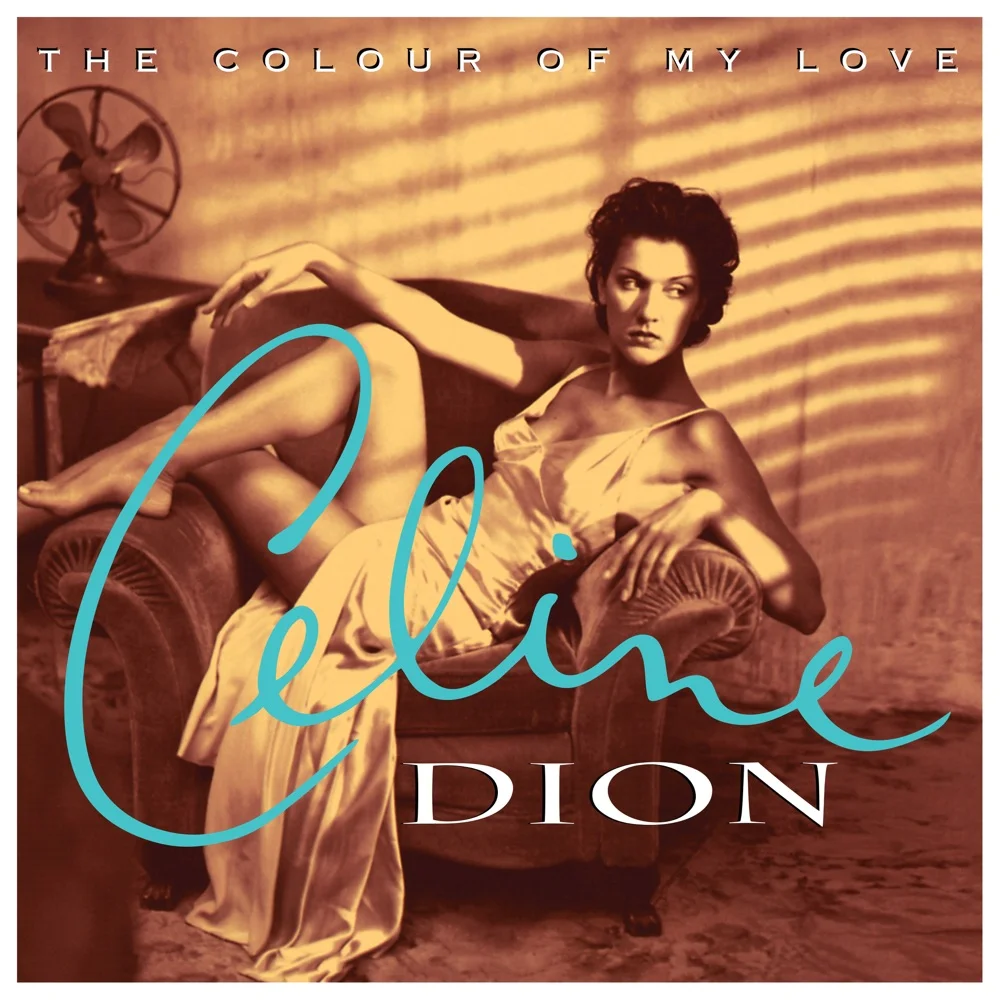
"The Power of Love" is a defining track for vocalists worldwide. While originally recorded by Jennifer Rush, Celine Dion's 1993 version set the gold standard for power ballads. It demands extreme control, starting with whisper-soft verses and erupting into massive, sustained belts in the climax.
To succeed here, you need to master your dynamic range. Many singers exhaust themselves in the first half of the song, leaving no energy for the key changes at the end. Let's break down the strategy.
Phase 1: The Whisper (0:00 - 1:15)
The song begins in Ab Major. The opening line "The whispers in the morning" must be sung with a breathy, delicate tone, but be careful not to fall into vocal fry. You need to maintain a clear pitch even at low volume.
The Trap: Trying to project too early. Keep the larynx neutral and the volume low. Think of this section as intimate storytelling.
Phase 2: The Build (1:15 - 3:30)
As the drums kick in, you need to switch from your head voice/breathy tone into a solid chest mix. The line "sound of your heart beating" requires a resonant chest voice to convey emotion.
- Resonance: Move the sound forward into your "mask" (the front of your face). This adds brightness without strain.
- Dynamics: The AI Coach tracks the volume swell here. Ensure you are louder in the chorus than the verse, but save your 100% power for later.
Phase 3: The Climax & Key Changes (3:30 - End)
This is the "Olympic event" of the song. It modulates to Bb major, then C major, testing your upper register limits. The final sustained notes reach a powerful Eb5.
To hit the high belt on "We're heading for something," drop your jaw and modify the vowel. Instead of a wide "thing" (which closes the throat), sing it closer to "thang" or "thung." This vowel modification creates space in the throat for the high frequency.