 Singing Coach AI
Mastering the Art of Restraint
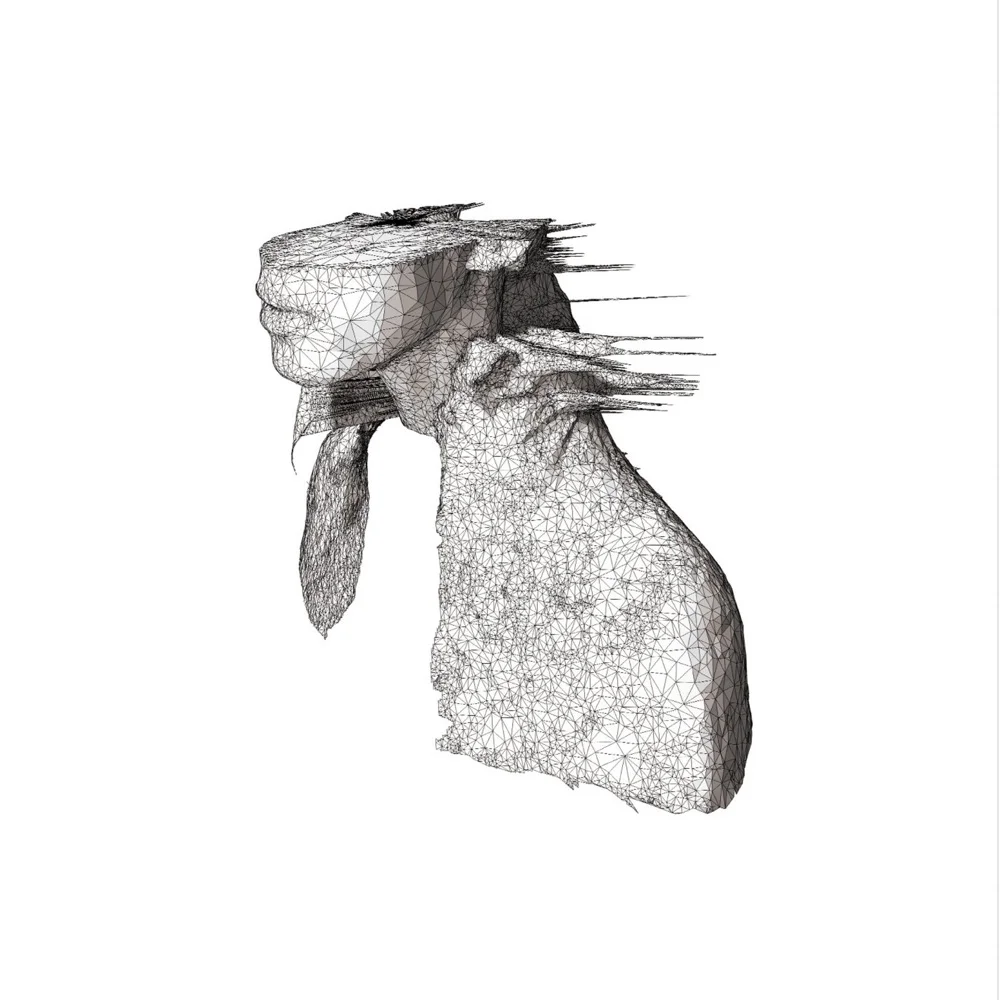
Released on Coldplay's iconic A Rush of Blood to the Head album, "The Scientist" is a masterclass in vocal dynamics and falsetto control. Unlike power ballads that rely on belting, Chris Martin delivers a performance that is vulnerable, breathy, and intimate.
The song is primarily piano-driven, which leaves the vocal track very exposed. Any pitch issues or breaks in tone are immediately noticeable. To sing this well, you must be comfortable switching between a light chest mix and a pure head voice.
Phase 1: The Verses (F3 - C4)
The verses ("Come up to meet you...") sit in a very comfortable mid-range for Tenors and Baritones. The challenge here is not range, but texture. You want to keep the volume low (mezzo-piano).
The Technique: Maintain a neutral larynx. If you try to project too much, you will lose the intimacy required for the storytelling. Focus on clear enunciation of the consonants.
Phase 2: The Chorus (F4 - F5)
The chorus features the iconic line "Nobody said it was easy." This line sits right on the vocal break for many male singers. You need a smooth transition.
- The Climb: As you ascend to the F4, resist the urge to yell. Keep the sound narrow.
- The Falsetto "Oohs": The post-chorus features a falsetto melody reaching up to F5. This must be sung with a "heady" placement. Imagine the sound resonating in your forehead, not your throat.
- Breath Control: These phrases are long. Take a deep diaphragmatic breath before the "Ooh" section to sustain the notes without wavering.
Phase 3: The Emotional Outro
The song ends as it began, but with added emotional weight. The repetition of "I'm going back to the start" should be delivered with a slightly tired, resigned quality. It's okay to let the voice crack slightly here for emotional effect, provided it is controlled.