 Singing Coach AI
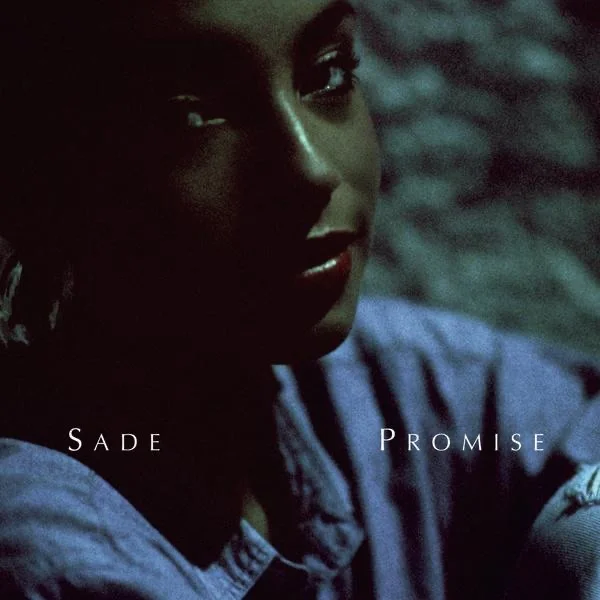
The Queen of "Quiet Storm" Vocals
Sade's "The Sweetest Taboo" is a masterclass in subtlety. Released on the 1985 album *Promise*, this track defines the Sophisti-pop genre. Unlike power ballads that rely on high belts and volume, this song requires restraint, impeccable phrasing, and a warm, velvety tone.
To sing this well, you must be comfortable in your lower register. The challenge isn't hitting high notes; it's maintaining pitch accuracy and character while singing quietly. Let's break down how to capture Sade's iconic sound.
Phase 1: The Verses (Smooth & Connected)
The song opens in D Minor. The verses ("If I tell you...") sit low in the chest voice. The melody is conversational but melodic.
The Trap: Because it's low, singers often sound "muddy" or lose pitch clarity. Focus on forward placement—feeling the vibration in your lips or mask—even on the low notes to keep them bright enough to cut through the mix.
Phase 2: The Chorus (Rhythmic Phrasing)
The chorus ("You give me, you give me, the sweetest taboo") relies heavily on syncopation. You are interacting with the percussion.
- Rhythm: Do not rush. Sade sings slightly "behind the beat" (layback style), which gives the track its relaxed feel.
- Dynamics: Keep the volume consistent. A sudden spike in volume will ruin the mood.
- Breath: Add a slight "airiness" to the tone on the word "Sweetest" to emphasize the emotion without adding weight.
Phase 3: The Bridge & Ad-libs
As the song progresses, Sade introduces light ad-libs. These never venture too high but explore the F4-C5 range.
Maintain your composure here. The temptation is to start riffing like a pop diva, but Sade's style is minimalist. Stick to the melody and use vibrato only at the very end of sustained notes.