 Singing Coach AI
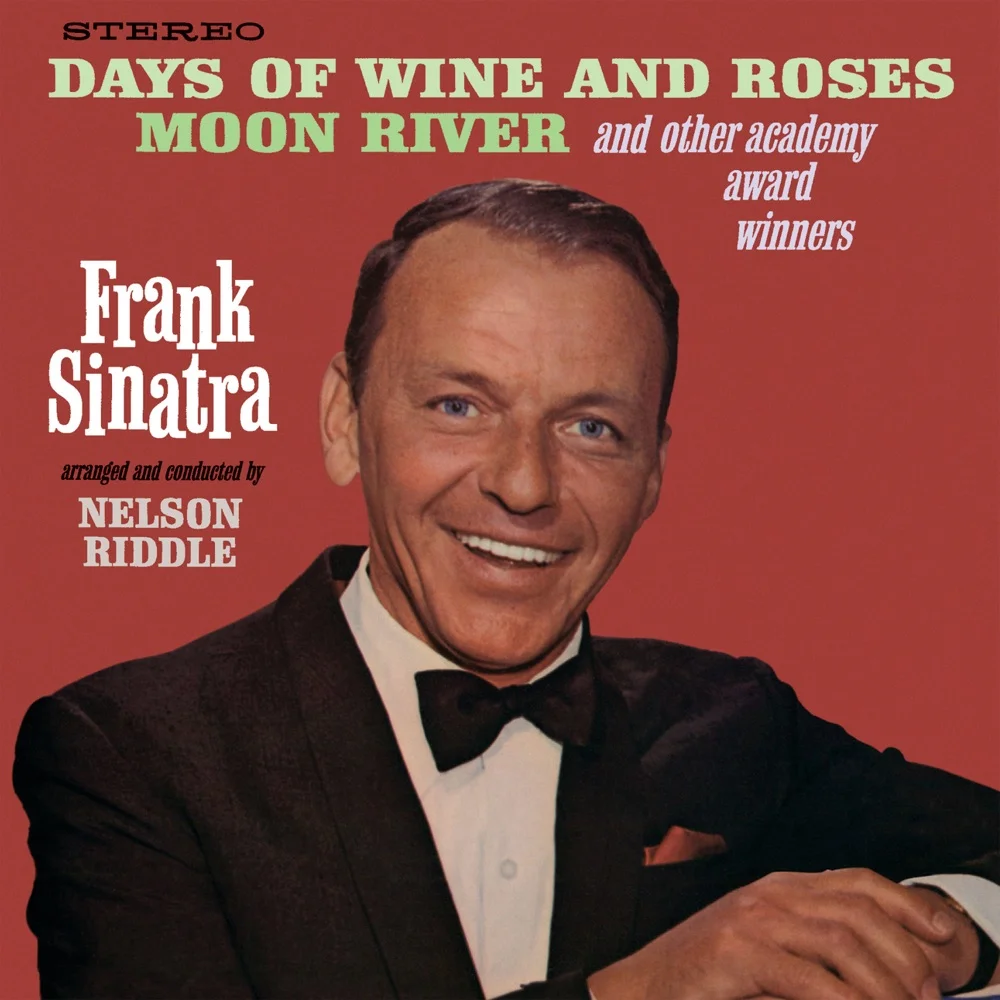
The Art of the "Croon"
Written by Jerome Kern and Dorothy Fields, "The Way You Look Tonight" is a definitive standard of the Great American Songbook. While it doesn't require the acrobatic range of a rock ballad, it demands impeccable control. Frank Sinatra's 1964 recording is a masterclass in legato singing—smoothly connecting notes without breaks.
To sing this well, you must focus on resonance and relaxation. The song sits comfortably in the chest voice for most Baritones, but the challenge lies in maintaining a consistent, warm tone throughout the phrases.
Phase 1: The Verse (0:00 - 1:15)
The song opens with "Some day, when I'm awfully low..." in the lower register. Keep your volume at a conversational level. The goal here is intimacy.
The Technique: Smile slightly while you sing. This lifts the soft palate and brightens the tone, preventing the low notes from sounding muddy or "swallowed."
Phase 2: The Bridge (1:15 - 2:00)
The bridge ("With each word your tenderness grows...") brings a slight lift in dynamics and pitch. This is where you need more breath support.
- Breath Control: Sinatra believed in swimming underwater to expand his lung capacity. You need to sing long lines here without gasping for air in the middle of a sentence.
- Diction: Enunciate the consonants gently. Don't pop the 'P's or 'T's too hard; keep it smooth like a saxophone line.
Phase 3: The Ending (2:50 - End)
The song concludes with a reprise of the main theme. The final note on "Tonight" is sustained. Avoid using heavy vibrato immediately; start with a straight tone and let the vibrato come in slowly at the very end of the note.
To finish professionally, ensure you don't cut the note off abruptly. Let it fade out naturally with your breath.