 Singing Coach AI
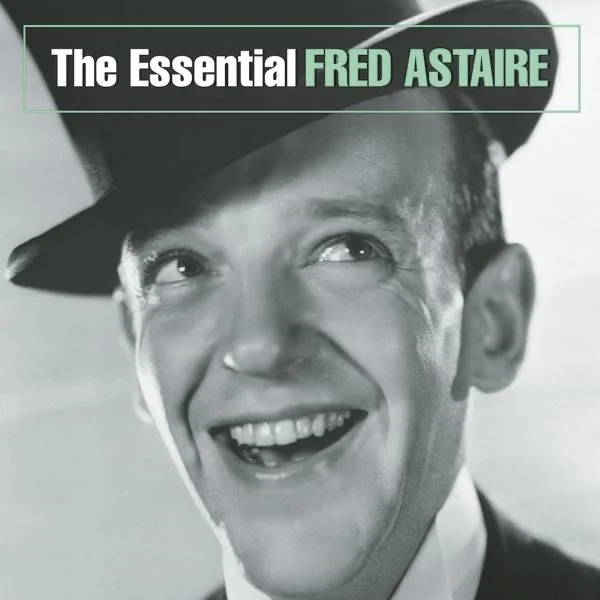
The Gold Standard of "Crooning"
"The Way You Look Tonight," composed by Jerome Kern with lyrics by Dorothy Fields, was introduced by Fred Astaire in the 1936 film Swing Time. It is a masterpiece of intimacy. Unlike modern pop songs that demand power and belting, this song requires vulnerability, precise diction, and smooth phrasing.
Astaire wasn't known for a large vocal range or massive power, but his phrasing was impeccable. He sang as if he were speaking directly to someone he loved. To score high on this track, you must avoid over-singing and focus on the "glide" between notes.
Phase 1: The Verses (A Section)
The song begins in Eb Major with the line "Some day, when I'm awfully low." This sits in the lower register (Bb2 - Eb3). The key here is breath support without tension.
The Trap: Many singers "fry" or lose volume on the low notes. Keep your chest resonance active but soft. Think of the sound vibrating in your sternum. Deliver the lyrics conversationally, slightly behind the beat, to create that relaxed jazz feel.
Phase 2: The Bridge (B Section)
The intensity builds on the bridge: "With each word your tenderness grows..." The melody climbs higher, reaching toward C4 and D4. This provides an emotional contrast to the verses.
- Tenderness / Fears: Ensure your vowels are open and rounded. Don't pinch the sound.
- That laugh: Astaire uses a light, bouncy articulation here.
- Wrinkles your nose: This phrase descends rapidly. Maintain breath pressure so the end of the phrase doesn't disappear.
Phase 3: Phrasing and Legato
The magic of this song lies in legato—smooth, connected singing. There should be no gaps between the words. Imagine the melody is a single piece of ribbon being unspooled. The highest note, typically an F4 (depending on the arrangement), should be sung with a "heady" mix, not a shout.
Finally, utilize a gentle vibrato at the very end of long sustained notes, rather than immediately. This straight-tone-to-vibrato technique is a hallmark of the genre.