 Singing Coach AI
Mastering the "Empire" Sound
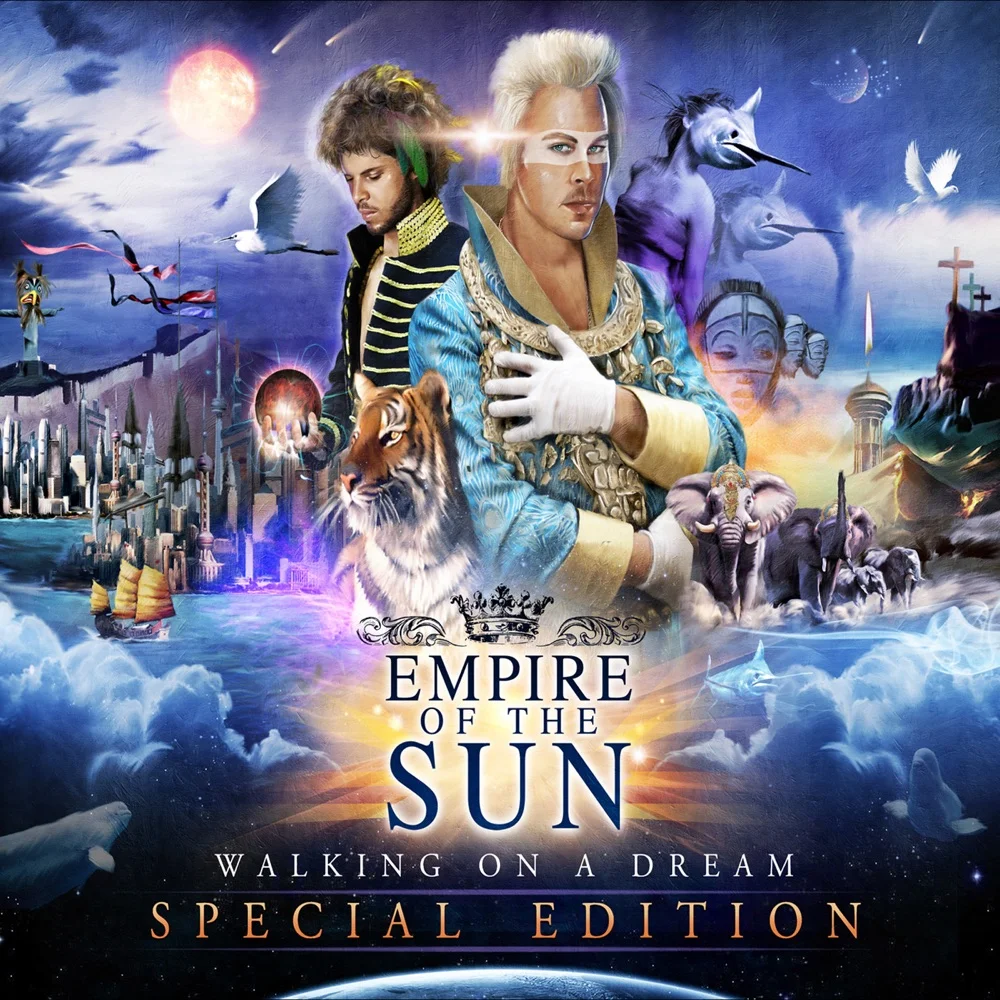
Singing "The World" by Empire of the Sun requires stepping into a very specific vocal character. Luke Steele's voice is known for its bright, almost nasal quality and effortless transitions between chest voice and a soaring falsetto. It's less about raw power and more about texture and atmosphere.
This track sits in a comfortable mid-range for Tenors but demands excellent breath control to maintain the long, floating phrases over the synth-heavy production. If you are a Baritone, focus on lightening your tone to match the "shimmer" of the track.
Phase 1: The Verses (Control & Diction)
The verses in "The World" often feature a more rhythmic, almost spoken-word melodic style. The key here is crisp diction. The electronic beat is precise, so your vocal delivery must be equally tight.
The Trap: It's easy to get lazy with the rhythm and drag behind the beat. Practice singing the verses with a metronome or the "Rhythm Trainer" in our app to lock in the groove. Keep your volume at a conversational level.
Phase 2: The Chorus (The Lift)
As the song opens up, the vocals need to lift. This doesn't necessarily mean singing louder, but rather shifting your resonance higher. You will likely need to engage your "mixed voice"—a blend of chest and head resonance.
- Vowel Shapes: Keep your vowels narrow. A wide "Ah" sound might cause you to yell. Modify it towards "Uh" or "Eh" to keep the tone focused.
- Breath Support: The synth lines are long and sustained. Engage your diaphragm firmly to ensure you don't run out of air at the end of phrases.
Phase 3: The Falsetto & Atmosphere
Empire of the Sun is famous for ethereal backing vocals and ad-libs. In the bridge and outro, you may encounter notes reaching up to F#5. These should be sung in a light, breathy head voice. Do not push chest voice here; let it flip naturally into falsetto for that dreamy effect.