 Singing Coach AI
Mastering Kevin Rowland's Passionate Soul Style
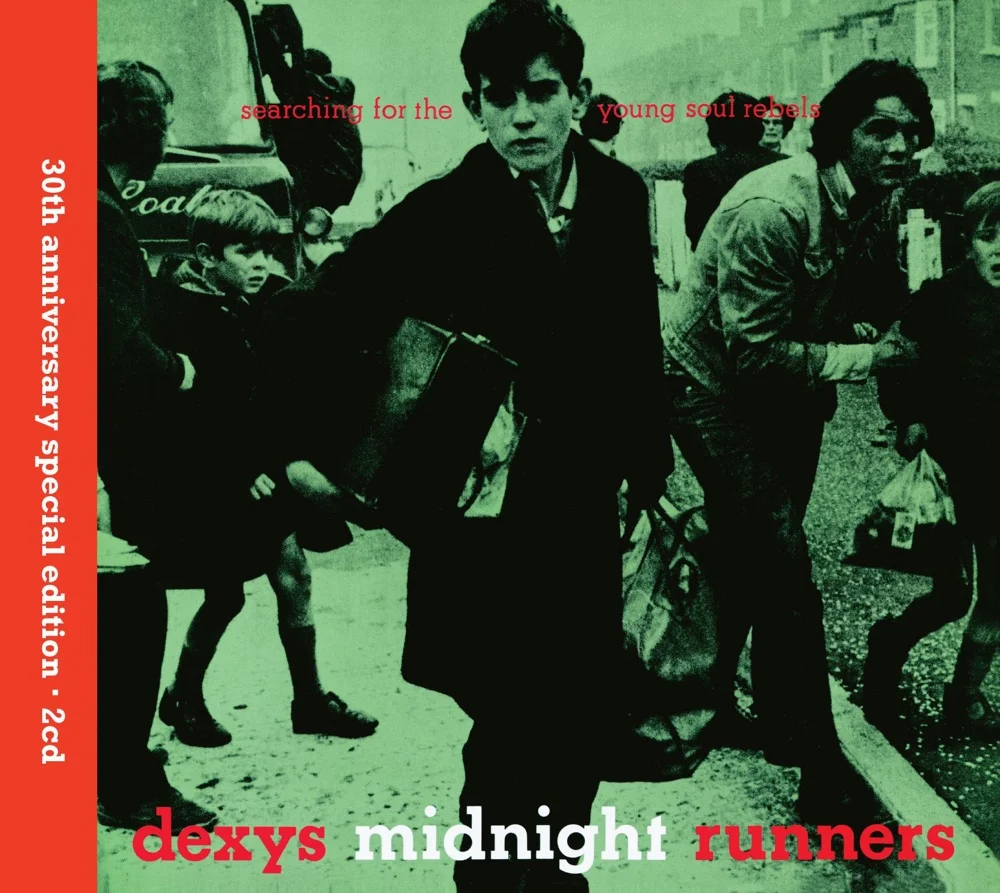
"There There My Dear" is a standout track from the 1980 album Searching for the Young Soul Rebels. It’s an epistolary song—a letter sung to a character named "Robin." Vocalist Kevin Rowland delivers the lyrics with an intense, almost desperate sincerity that defines the early Dexys sound. It’s not about perfect technique; it’s about conviction.
To sing this track effectively, you need to balance clear diction with high-energy emotional output. The song moves quickly, and missing a breath can throw off your timing for the entire verse.
Phase 1: The Conversational Verses
The song starts with "Dear Robin, hope you don't mind me writing..." This should be sung almost like spoken word but pitched. The range is comfortable (around C3-G3). The challenge is the rhythm.
The Trap: The lyrics are very wordy. "You're so anti-fashion, so cool..." requires you to stay right on top of the beat. If you drag, you will clash with the horn section stabs.
Phase 2: The Anthemic Chorus
When the horns swell, the vocal intensity must rise. Lines like "The only way to change things is to shoot men who arrange things" are delivered with a full chest voice.
- Volume: Increase your volume here, but support it from the diaphragm, not the throat.
- Tone: Open your mouth wider to get a brighter, more "shouted" tone that cuts through the brass arrangement.
- Attitude: This is a protest song disguised as soul. Sing it with anger and hope.
Phase 3: The Outro and Ad-libs
The end of the song features the famous breakdown "I'd like to put it to you..." leading into "There there my dear." This section is exhausting. The repetition requires stamina.
Keep your larynx neutral. As you get tired, the tendency is to squeeze the throat, which will make you sound thin. Keep the sound "chesty" and grounded until the final fade-out.