 Singing Coach AI
Mastering the Art of "Conversational" Singing
Written by George and Ira Gershwin for the 1937 film Shall We Dance, "They Can’t Take That Away from Me" is a masterclass in subtlety. Unlike powerhouse ballads, this song relies on charm, wit, and a technique known as parlando—singing that closely mimics natural speech.
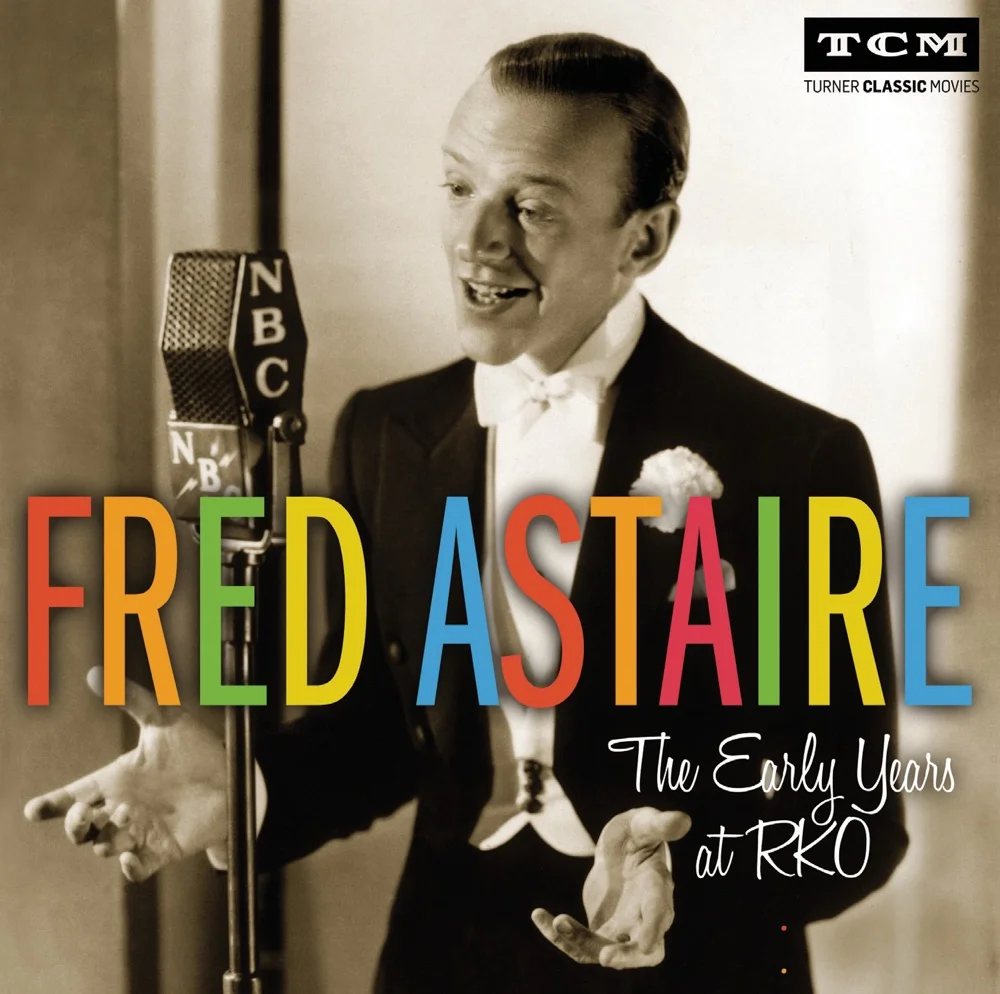
Fred Astaire was not a "great" singer in the operatic sense, but he was a genius of rhythm and phrasing. To score well on this track, you must avoid over-singing. You need to sound effortless, relaxed, and intimate.
Phase 1: The Verse (A Sections)
The song begins in a comfortable mid-range. The line "The way you wear your hat" establishes the mood immediately. Keep your tone light and breathy. Avoid hard vocal onsets.
The Trap: Many singers rush the lyrics. This song is a slow swing. Relish the spaces between the words. Think of it as telling a secret to someone close to you.
Phase 2: The Bridge (B Section)
The bridge ("We may never, never meet again...") introduces a shift in emotion. The melody climbs slightly higher, but do not push into a loud belt. Maintain that same smooth, crooner texture.
- Emotional connection: This section has a touch of sadness. Darken your tone slightly to reflect the lyrics.
- Breath Control: The phrases are long and legato. Ensure you take a silent, deep breath before "We may never..." so you don't chop the line up.
Phase 3: Diction and Articulation
Fred Astaire was famous for his crisp diction. The AI Coach will be listening for clear consonants, especially on words like "hat," "tea," and "memory."
However, avoid making them sound mechanical. The goal is clarity without stiffness. Lightly articulate the 't's and 'd's at the ends of words to keep the rhythm bouncing forward.