 Singing Coach AI
The Ultimate 80s Emotional Ballad
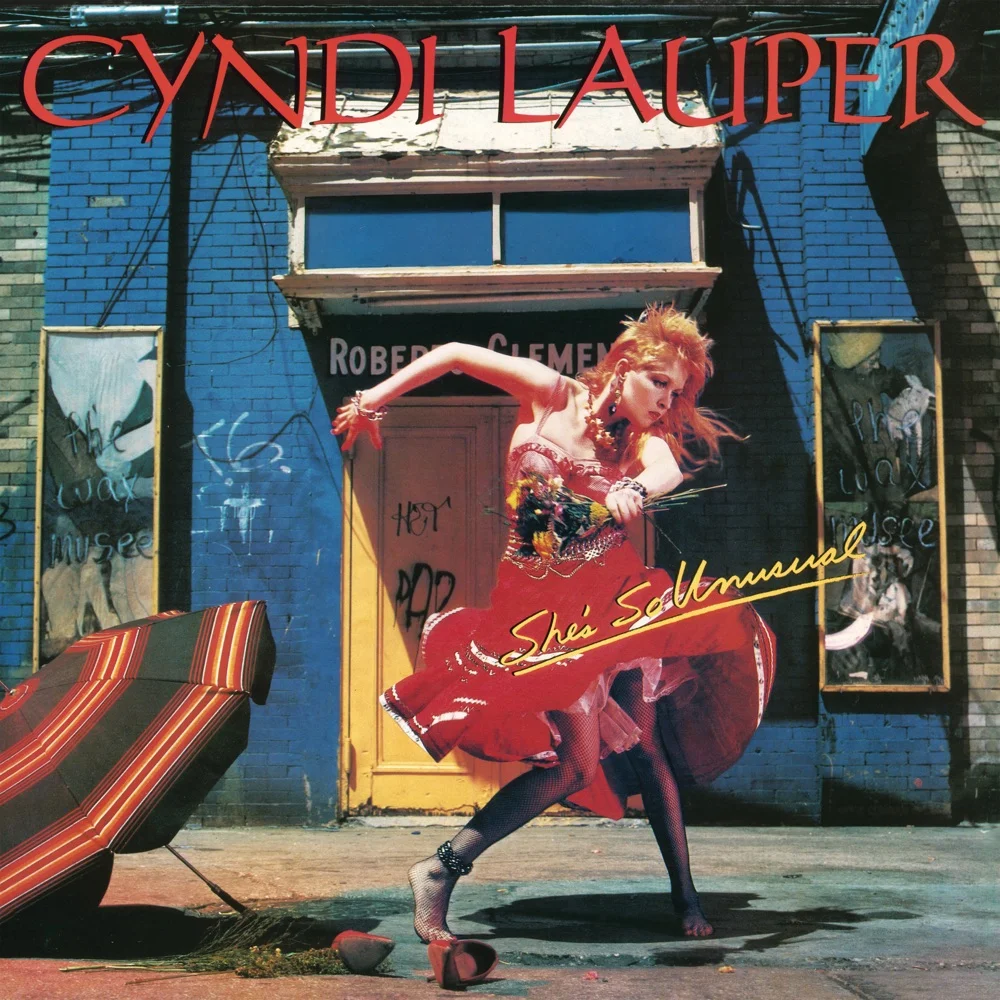
"Time After Time," released in 1983 on Cyndi Lauper's debut album She's So Unusual, remains one of the most enduring love songs of the era. Unlike her high-energy hits, this track requires restraint, vulnerability, and tonal texture. The structure is classic verse-chorus pop, but the magic lies in the delivery.
To sing this well, you need to balance a breathy, intimate tone in the verses with a clear, resonant mix in the chorus. The challenge isn't hitting high notes; it's keeping the pitch steady while delivering an emotional performance. Let's break down exactly how to tackle it.
Phase 1: The Intimate Verse (0:00 - 1:15)
The song begins in the lower part of the register (G3). The lyrics "Lying in my bed, I hear the clock tick and think of you" should be sung almost conversationally. Use a "breathy onset" here—allowing a little air to escape before the vocal cords fully close—to mimic Cyndi's signature rasp.
The Trap: Don't get too heavy or loud here. If you push the volume too early, you have nowhere to go dynamically for the chorus.
Phase 2: The Chorus Lift (1:15 - 1:48)
The melody lifts to a C5 on "Time after time." This requires a switch from the breathy chest voice of the verse to a brighter, more forward mix. The vowels need to be open.
- If you're lost: Engage your support muscles to keep the pitch centered.
- Time after time: Avoid nasal placement. Keep the soft palate raised to create a warm, round sound.
- Harmonies: Cyndi's background vocals are iconic here. The AI Coach can help you isolate the main melody to ensure you aren't accidentally singing the harmony line.
Phase 3: The Bridge and Build (2:25 - 3:00)
The bridge ("You said go slow...") introduces a rhythmic change. The delivery becomes slightly more staccato before smoothing out again. The emotional intensity should peak here before dropping back down for the final chorus.
Focus on the consonance of "flashback" and "warm nights" to give the lyrics percussive definition without losing the legato flow of the song.