 Singing Coach AI
A Masterclass in Emotional Vocals
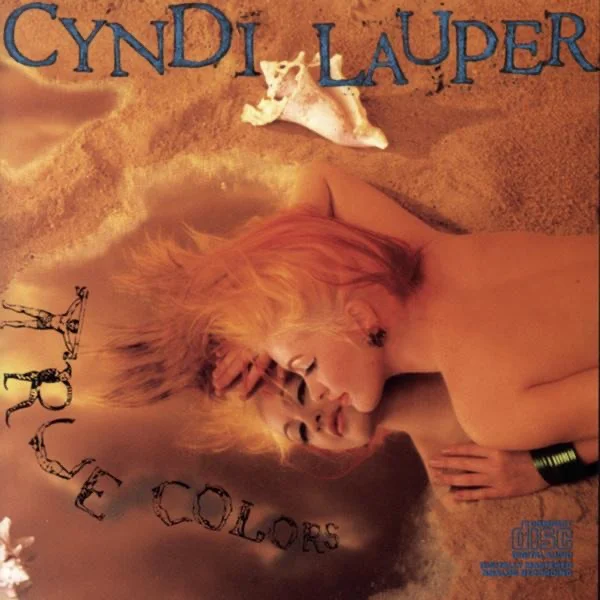
Released in 1986 on the album of the same name, Cyndi Lauper's True Colors became an instant anthem for self-acceptance. Unlike her previous high-energy hits, this track is a stripped-back pop ballad that relies entirely on vocal texture. It sits comfortably in B Major, allowing the singer to focus on sincerity rather than vocal acrobatics.
The challenge lies in the dynamics. Cyndi moves from a near-whisper in the verses to a full, resonant tone in the chorus. To sing this effectively, you must master the art of holding back power to create intimacy.
Phase 1: The Verses (0:00 - 0:54)
The song begins in a low, conversational register (around F#3). The tone here should be breathy but supported.
The Trap: Because the notes are low, singers often lose pitch clarity. Keep your diaphragm engaged even when singing quietly to ensure the notes don't go flat on "don't be discouraged." Think of speaking the lyrics to a close friend.
Phase 2: The Pre-Chorus (0:54 - 1:13)
On the line "But I see your true colors," the melody lifts. This is where you begin to reduce the breathiness and introduce more cord closure. The transition needs to be smooth. You are building tension here, preparing the listener for the release in the chorus.
- Diction: Enunciate the "T" and "C" sounds clearly to add percussive elements to the soft melody.
- Range: The melody climbs to the B4 range. Keep the larynx neutral.
Phase 3: The Chorus (1:13 - 1:45)
The chorus is the release. The line "shining through" requires a bright, forward placement. Cyndi uses a warm mix voice here—it isn't a harsh belt, but it has core resonance.
For the ad-libs towards the end of the song, Cyndi hits higher notes (up to E5). If these feel out of reach, stay on the main melody line or use your head voice; the emotional impact remains the same.