 Singing Coach AI
The Soul of Southern Rock
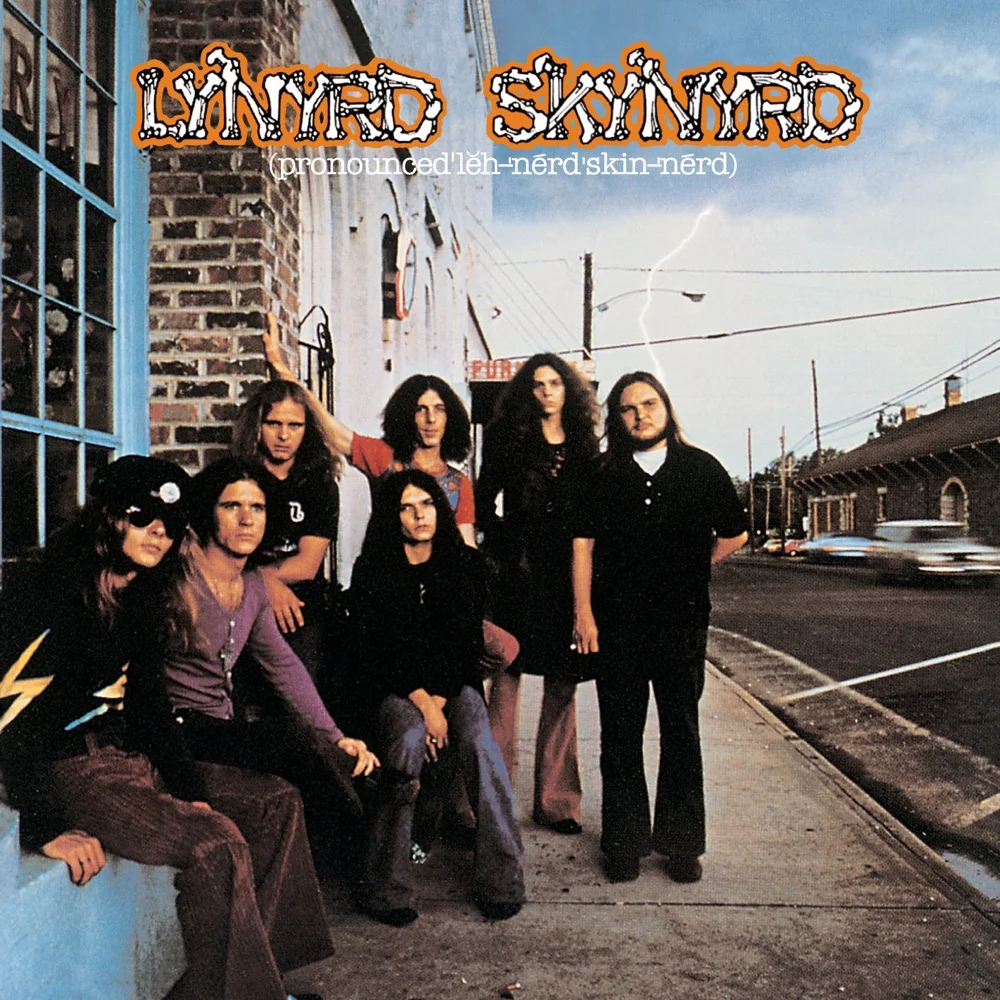
Tuesday’s Gone is a masterpiece of Southern Rock storytelling. Appearing on Lynyrd Skynyrd's debut 1973 album, it stands in stark contrast to the high-energy "Free Bird." This is a slow-burn ballad that relies heavily on Ronnie Van Zant's ability to convey melancholy and resignation.
Unlike more aggressive rock tracks, singing this song requires patience. The tempo is slow (around 74 BPM), meaning you have to sustain notes longer and pay close attention to the ends of your phrases. The vocal style is conversational but deeply resonant.
Phase 1: The Verses (Storytelling)
The verses are sung comfortably in the chest register (A2 - C#4). The challenge here is rhythm. Ronnie has a tendency to sing slightly "behind the beat," creating a laid-back feel. If you sing too precisely on the grid, it will sound robotic.
The Trap: Many singers lose energy at the end of the lines like "train roll on." Ensure you support your breath all the way to the silence.
Phase 2: The Chorus (Open Vowels)
When the chorus hits ("Tuesday's gone with the wind"), the melody lifts. The highest notes touch F#4. This isn't a high belt for a Tenor, but for a Baritone, it sits right in the passaggio (the bridge between chest and head voice).
- Modification: To hit the high notes smoothly, modify the vowel in "Gone" towards "Guhn." This rounds the sound and prevents the throat from closing up.
- Dynamics: Do not shout. The volume increases, but the tone should remain smooth and mournful, not aggressive.
Phase 3: Endurance and Atmosphere
At over seven minutes long, this song is an endurance test. There are long instrumental breaks with piano and guitar solos. As a vocalist, you must stay engaged with the mood even when you aren't singing, so your re-entry matches the emotional intensity of the band.
Focus on a consistent airflow. Use the instrumental breaks to reset your posture and take deep, low breaths to prepare for the next verse.