 Singing Coach AI
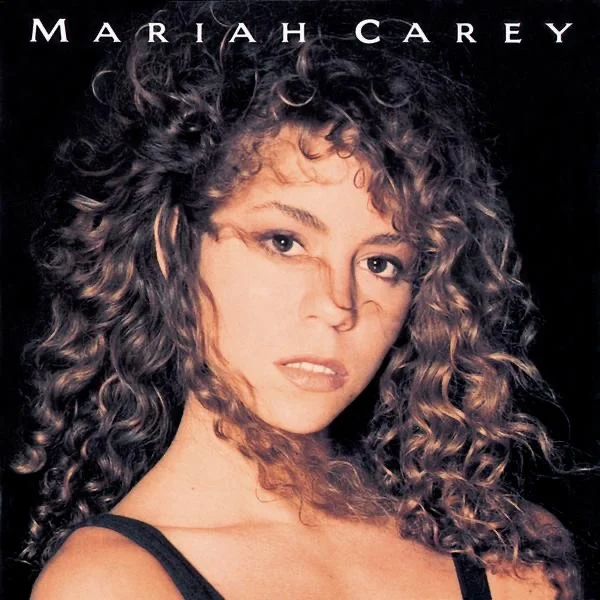
The Blueprint for Modern R&B Vocals
Vision of Love isn't just a hit song; it changed the landscape of pop singing forever. Released in 1990 as Mariah Carey's debut single, it introduced the world to pop "melisma"—the art of singing many notes for one syllable—and the upper stratosphere of the human voice: the whistle register.
To sing this well, you need incredible breath support and vocal flexibility. It begins slow and soulful, builds into powerful belts, and culminates in vocal acrobatics that challenge even professional singers. Let's break down exactly how to tackle it.
Phase 1: The Verses (Control)
The song begins in a lower, smokier register (C3-G3 range). Mariah uses a lot of breathy texture here, but don't let the voice fall apart. You need a consistent stream of air to support the lower notes so they don't sound like vocal fry.
The Trap: Oversinging the beginning. Keep the volume at a medium level (mezzo-piano) to allow room for the massive dynamic build-up that comes later.
Phase 2: The Belting Section
As the song progresses into the bridge ("I had everything..."), the chest voice needs to ascend. You will be belting around C5. This requires forward placement—think of directing the sound to the mask of your face—to avoid straining your throat.
The transitions between chest belt and head voice must be seamless. Mariah flips back and forth rapidly, so ensure your "mix" is warmed up.
Phase 3: The Whistle Note (C7)
This is the signature moment. At the climax, Mariah hits a piercing C7. This is the whistle register, which works differently than head voice. It requires "zipping up" the vocal cords so only a tiny portion vibrates.
Safety Warning: Do not force air to hit this note. Whistle register requires very little air pressure. If you feel tickling or pain, stop immediately. It is better to sing this part in a light head voice than to damage your cords trying to whistle.