 Singing Coach AI
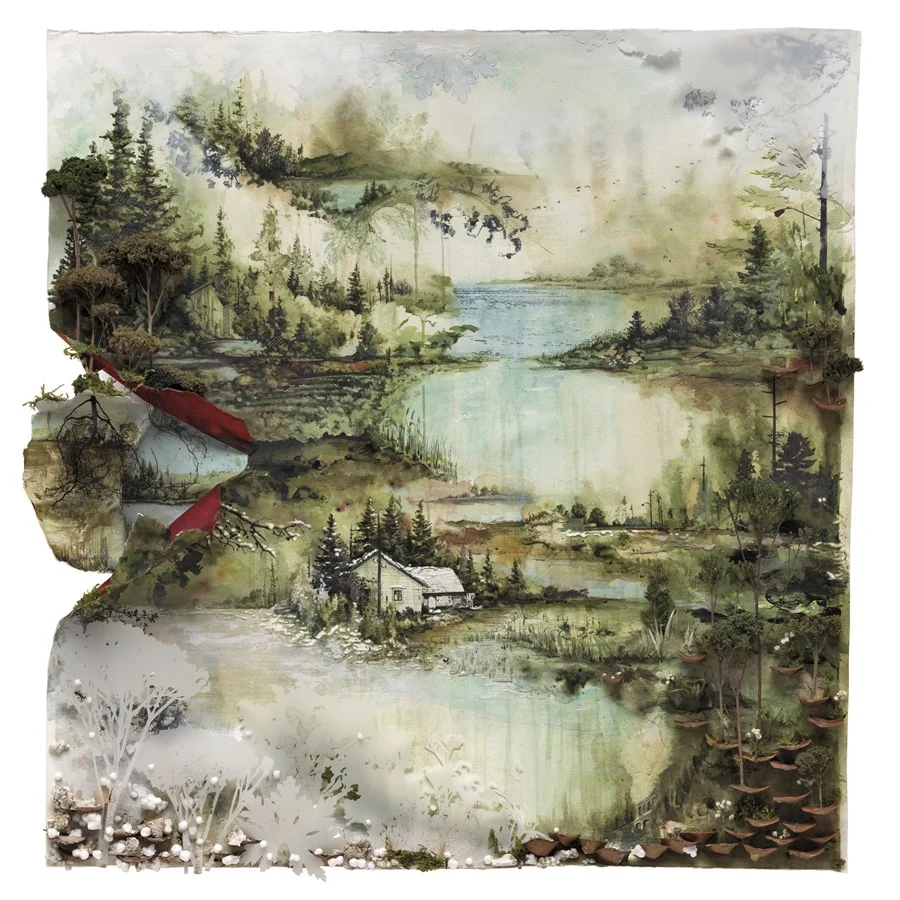
A Study in Atmospheric Falsetto
"Wash." is a standout track from Bon Iver's self-titled 2011 album. Unlike standard pop ballads, this song relies heavily on atmosphere, repetition, and a consistent, haunting falsetto. Justin Vernon utilizes his upper register not just for high notes, but as the primary vehicle for emotion.
To sing this well, you must abandon the desire for "power" and focus entirely on "texture." The challenge lies in maintaining a consistent tone quality while the piano loops hypnotically beneath you. Let's break down the technique required.
Phase 1: The Head Voice Foundation
The song starts immediately in a range that bridges the passaggio for many male singers. The key is to commit fully to head voice (or falsetto) rather than trying to mix heavily. A heavy mix will sound too aggressive for the delicate instrumentation.
The Trap: Many singers introduce too much breathiness (air leaking through the cords) to sound "indie." This dries out the vocal cords quickly. Aim for a "clean" falsetto with good cord closure, then soften the volume.
Phase 2: Phrasing and Breath (1:15 - 2:30)
The lyrics are often abstract and the phrasing mimics the rolling nature of the piano. You need excellent diaphragmatic support to sustain the long, legato lines without your voice wavering.
- Vowel Shaping: Justin creates a "hollow" sound by raising the soft palate (as if suppressing a yawn). This adds resonance without adding volume.
- Rhythmic Precision: Don't drag behind the piano. The vocal melody weaves in and out of the beat, requiring strict internal timing.
Phase 3: The Orchestral Swell (2:45 - End)
As the strings swell, your voice must grow in intensity without cracking. This is done by increasing airflow speed, not by squeezing the throat. The emotional climax is subtle—it's about a widening of the sound rather than a rock-style belt.
Listen closely to the ending. The final notes fade into the instrumentation. Practice your decrescendo (gradually getting quieter) to nail the ending score in the app.