 Singing Coach AI
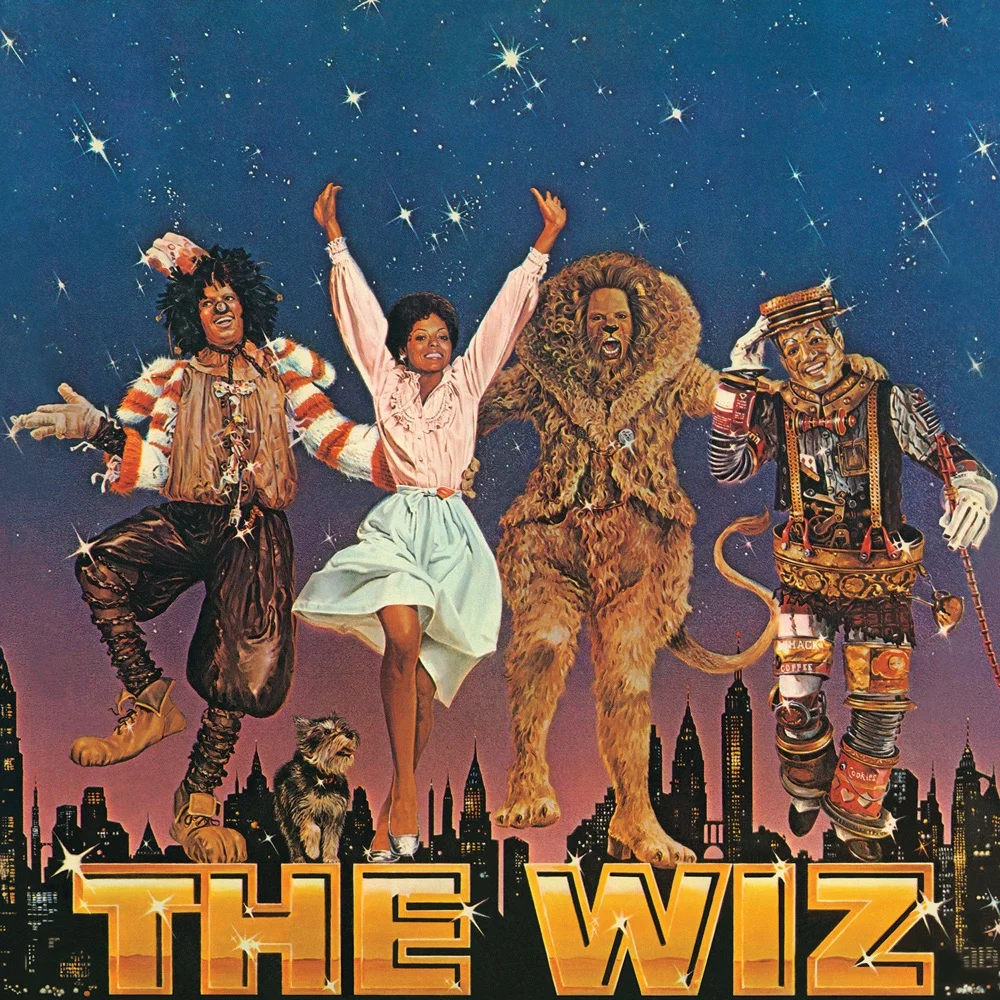
The Soul of the Scarecrow
"What Would I Do If I Could Feel" is a standout moment from the 1978 musical adaptation The Wiz. Performed by a young Michael Jackson in the role of the Scarecrow, the song is a masterclass in vocal innocence, yearning, and soulful dynamics. Unlike his later pop hits, this track requires a more theatrical approach, blending R&B textures with storytelling.
To sing this well, you must embody the character's naïveté while maintaining professional breath support. It’s not just about hitting the notes; it’s about making the audience believe you truly want to feel emotions.
Phase 1: The Verses (Gentle & Airy)
The song begins in a comfortable range. Your goal here is tone color. Michael uses a slightly breathy, forward placement to sound "young" and vulnerable. Avoid a heavy chest voice here.
The Technique: Focus on "onset." Start your vowels softly. When singing "I'd be tender, I'd be gentle," keep the volume at a mezzo-piano level, but ensure the consonants are crisp so the lyrics are understood.
Phase 2: The Emotional Build
As the song progresses, the questions become more urgent. "And I'd know if I knew..." requires a shift from head-dominant mix to a stronger chest mix. You need to increase your breath pressure (support) without tightening your throat.
Listen closely to how Michael uses vibrato. He often holds a straight tone for the first half of a sustained note and adds a fast, tight vibrato at the very end. This adds a "shimmer" to the performance.
Phase 3: The Climax
The bridge and final chorus push into the upper fourth octave (G4-A4). This is where the soul comes out. You need to open your mouth vertically (drop the jaw) to access the higher resonance.
The final ad-libs require agility. If you are struggling to hit the high notes with power, try modifying the vowels. Turn "Feel" into "Fee-uhl" to keep the throat open and avoid pinching.