 Singing Coach AI
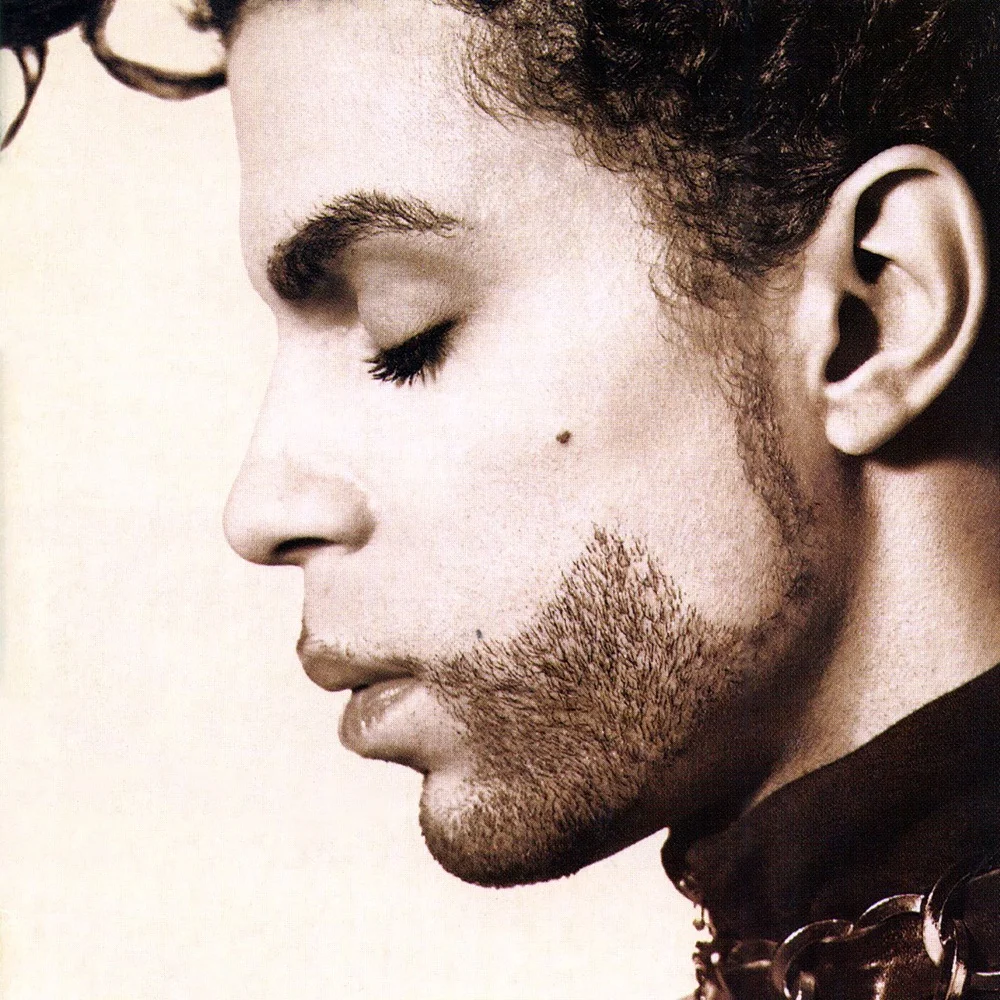
The Avant-Garde Pop Masterpiece
"When Doves Cry" is the lead single from Prince's 1984 album Purple Rain. Famous for its complete lack of a bass line, the song relies entirely on the Linn LM-1 drum machine, a synthesizer hook, and Prince's incredible vocal dexterity to drive the groove. It’s a masterclass in minimalism and emotional expression.
To sing this correctly, you must be comfortable switching between a dry, spoken-word style in the verses and soaring falsetto improvisation in the outro. The key is confidence and rhythm.
Phase 1: The Verse (0:33 - 1:20)
The verses ("Dig if you will the picture...") are sung in a mid-range chest voice (E3-A4). Prince uses a very dry, almost detached delivery here. The notes are short and rhythmic.
The Trap: Many singers try to add too much vibrato or "prettiness" to the verses. Don't. Keep it raw and conversational. The emotion comes from the lyrics, not vocal gymnastics—yet.
Phase 2: The Chorus (1:20 - 1:45)
The chorus melody is simple but relies heavily on the harmony. The lead vocal sits right in the pocket of the mix. You want to aim for a brighter tone here to cut through the synthesizer wash.
- Rhythm: The phrasing on "This is what it sounds like" is syncopated. Don't drag the words out.
- Pitch: The melody centers firmly around A Minor. Use the Singing Coach AI pitch tracker to ensure you aren't sliding flat on the descending notes.
Phase 3: The Outro & Screams (3:30 - End)
This is where the song becomes legendary. As the track progresses, Prince unleashes a series of falsetto screams and runs, hitting notes up to A5.
To achieve this, do not push your chest voice up. You must flip into a reinforced head voice. Engage your diaphragm for support, but keep the throat feeling open and light. If you feel a tickle or scratch, you are squeezing too hard.