
The Ultimate Blues Rock Challenge
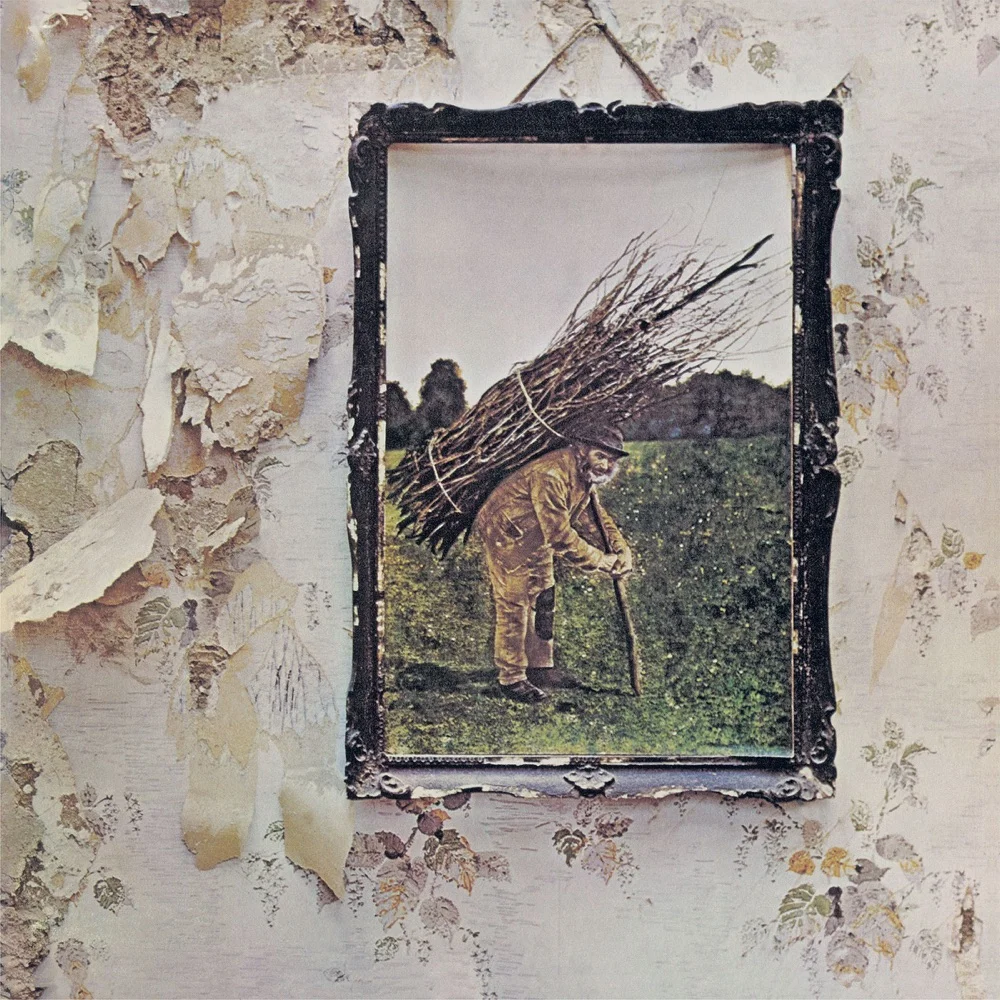
Originally a country blues song by Kansas Joe McCoy and Memphis Minnie, Led Zeppelin's reimagining on Led Zeppelin IV turned "When the Levee Breaks" into a monolithic, hypnotic rock epic. Anchored by John Bonham's legendary drums, Robert Plant's vocals must cut through a dense, muddy mix.
To sing this effectively, you need more than just range; you need "grit" and endurance. The song sits in F, requiring a consistent, powerful chest-mix that can handle blues inflections without tiring over the seven-minute runtime.
AI Coach Tip: The "Lazy" Phrasing
Plant often sings slightly "behind the beat" to create that swampy, relaxed feel. Our analysis shows users often rush the lyrics. Practice sliding into the notes rather than hitting them staccato.
Phase 1: The Groove (0:00 - 3:00)
The song begins with the iconic drum beat and harmonica. When the vocals enter ("If it keeps on rainin', levee's goin' to break"), the key is resonance. You are competing with a heavy low-end frequency.
The Technique: Use a "twangy" compression but keep the vowel shapes wide. Think of singing through a smile to brighten the tone, allowing it to sit on top of the heavy guitar riff.
Phase 2: The Build Up (3:00 - 5:00)
As the song progresses, the intensity grows. The line "Crying won't help you, praying won't do you no good" requires emotional desperation. This is where you introduce controlled distortion.
- Safe Distortion: Do not grind your vocal cords together. Use your false vocal folds (the structures above your true cords) to add the "rattle."
- Breath Support: The phrases are long. Engage your diaphragm deeply before the line starts to maintain power until the end of the phrase.
Phase 3: The High Wail (5:00 - End)
The song modulates and intensifies towards the end ("Going to Chicago..."). Plant hits sustained high notes here, peaking around C5. This requires a strong mixed voice.
If you try to pull your heavy chest voice up to these notes, you will strain. Lighten the mechanism as you ascend, but keep the air pressure consistent to maintain the illusion of weight and power.
Frequently Asked Questions
Robert Plant hits a belted/mixed C5 during the ad-libs and high intensity sections. The core melody sits comfortably between F3 and A4.
The song is in F, but the harmonica is played in "Second Position" (Cross Harp), meaning you need a harmonica in the key of Bb.
It's a combination of sliding into pitches (glissando) and using a slightly nasal, forward placement to cut through the heavy reverb used on the track.