
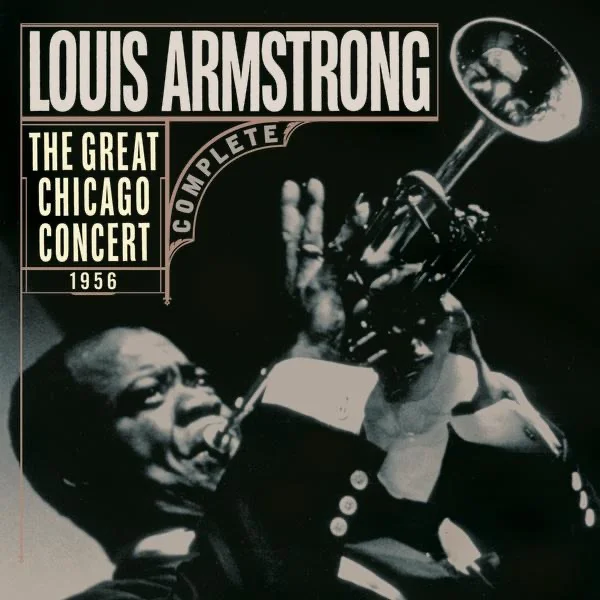
The King of Jazz Vocals
Recorded in 1938, Louis Armstrong's version of When the Saints Go Marching In transformed a traditional Black spiritual into a defining anthem of jazz. While the melody itself is simple, replicating "Satchmo's" charisma, timing, and unique tone is a significant challenge for any vocalist.
To sing this authentically, you need to step away from strict pop precision and embrace the "swing" feel. The song is not just about the notes; it's about the joyful, improvisational spirit behind them. Let's break down the technique.
AI Coach Tip: Relax the Jaw
Many singers tighten their throat to mimic Armstrong's growl. This causes strain. Our analysis shows higher scores come from keeping the jaw loose and finding the "gravel" through safe false-fold engagement, not tension.
Phase 1: The Swing Rhythm
The track is in 4/4 time, but it swings heavily. If you sing the notes exactly on the grid (straight rhythm), it will sound robotic and like a nursery rhyme.
The Technique: Practice delaying your entrance slightly on phrases like "Oh, when the saints." Lean into the backbeat (beats 2 and 4). You want to feel like you are dragging slightly behind the tempo, which creates that relaxed, cool jazz pocket.
Phase 2: The Signature "Growl"
Armstrong's voice is famous for its rough, sandpaper texture. This is often achieved by engaging the false vocal folds (vestibular folds) slightly while singing.
- Placement: Keep the sound resonant in the chest and lower throat, but do not push air too hard.
- Volume: You don't need to shout to get the grit. A conversational volume often allows for more control over the texture.
- Warning: If you feel tickling or coughing, stop immediately. You are grinding your true vocal cords.
Phase 3: Call and Response
This song is a dialogue between the singer and the instruments (or backing vocals). In the later verses, Louis leaves gaps for the trumpet or trombone to fill.
Don't rush through the rests. Use the space to breathe deeply and prepare for the next line with high energy. The phrase "Lord, I want to be in that number" should swell in volume, leading into the resolution.
Frequently Asked Questions
Not necessarily. While Louis Armstrong was a Bass-Baritone, the melody covers a comfortable octave range. Tenors and Sopranos can easily transpose the key or sing it an octave higher while maintaining the style.
The classic 1938 Decca recording is in F Major. This is a very common key for this standard, though it is often performed in Bb or Eb depending on the band.
Start simple. Use syllables like "Doo," "Bah," and "Dat" to mimic the articulation of a trumpet. The Singing Coach AI app has exercises specifically for jazz improvisation.