
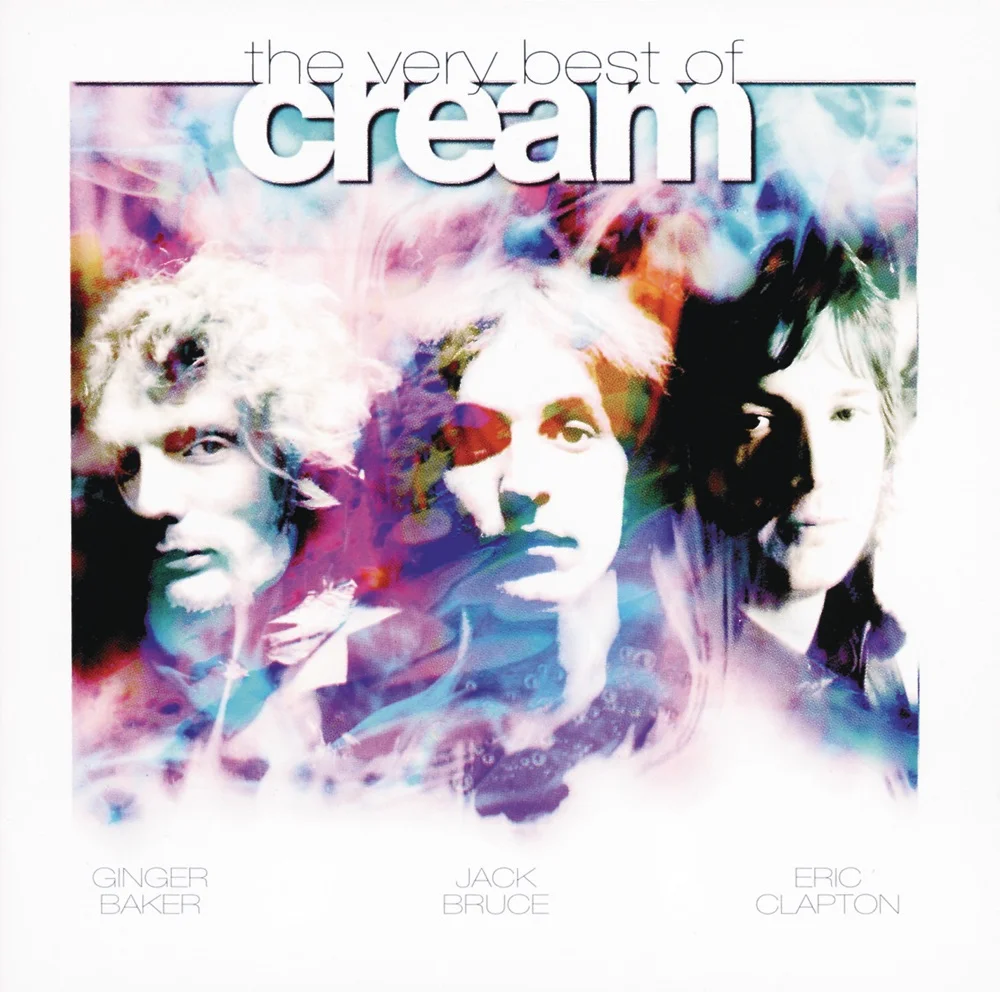
A Masterclass in Psychedelic Tension
Released on the 1968 album Wheels of Fire, White Room is one of Cream's signature tracks. With music by bassist Jack Bruce and lyrics by poet Pete Brown, the song creates an eerie, enigmatic atmosphere that requires a vocalist to be part storyteller and part powerhouse.
Unlike standard rock songs of the era, White Room relies heavily on dramatic stops and starts. The vocal challenge lies in navigating the shift between the brooding verses and the explosive choruses, all while competing with Eric Clapton's dense "wah-wah" guitar textures.
AI Coach Tip: Watch Your Timing
The intro is famous for its unusual 5/4 time signature before settling into 4/4 for the verse. Listen to the snare drum hits carefully to ensure you enter exactly on the beat for "In the white room..."
Phase 1: The Verse (The Storyteller)
The verses ("In the white room with black curtains...") are sung in the lower-mid range. Jack Bruce uses a detached, almost spoken-word quality here. The key is D minor, which gives it that somber feel.
The Trap: Don't sing this too sweetly. Keep the tone flat and slightly mysterious. Focus on clear diction for Pete Brown's surreal lyrics ("silver horses," "tired starlings").
Phase 2: The Chorus (The Release)
The song lifts harmonically and dynamically at the chorus ("I'll wait in this place..."). This is where you need to engage your diaphragm. The note on "wait" needs to be punched with chest resonance.
- Resonance: Aim for an open throat shape. If you pinch, you'll sound thin against the heavy instrumentation.
- Sustain: The lines are long and drawn out. Practice your breath control so you don't run out of air before the end of the phrase "where the sun never shines."
- Harmony: If you are advanced, try harmonizing a third above the melody line to mimic the studio recording layering.
Phase 3: The Coda (Ad-Libs)
As the song moves towards the outro, the energy intensifies. Jack Bruce begins to ad-lib higher notes (touching G4 and A4) with more grit. This is appropriate for the "hard rock" finish, but ensure you are warmed up to avoid vocal fatigue.
To achieve that vintage rock sound, use a wider vibrato on sustained notes. This helps the vocals blend with the oscillating sound of the wah-wah pedal.
Frequently Asked Questions
The core melody goes up to a G4, but with ad-libs in the outro, Jack Bruce pushes towards A4. It is a solid range for Tenors and high Baritones.
Yes. The intro uses a 5/4 time signature, which creates that disjointed, tension-building feel, before the drums signal the switch to 4/4 for the first verse.
Jack Bruce had a background in jazz and classical music. Focus on precise pitch accuracy combined with a heavy chest-voice dominant mix. Don't be afraid to sound "darker" in tone.