
The Ultimate Power Ballad Challenge
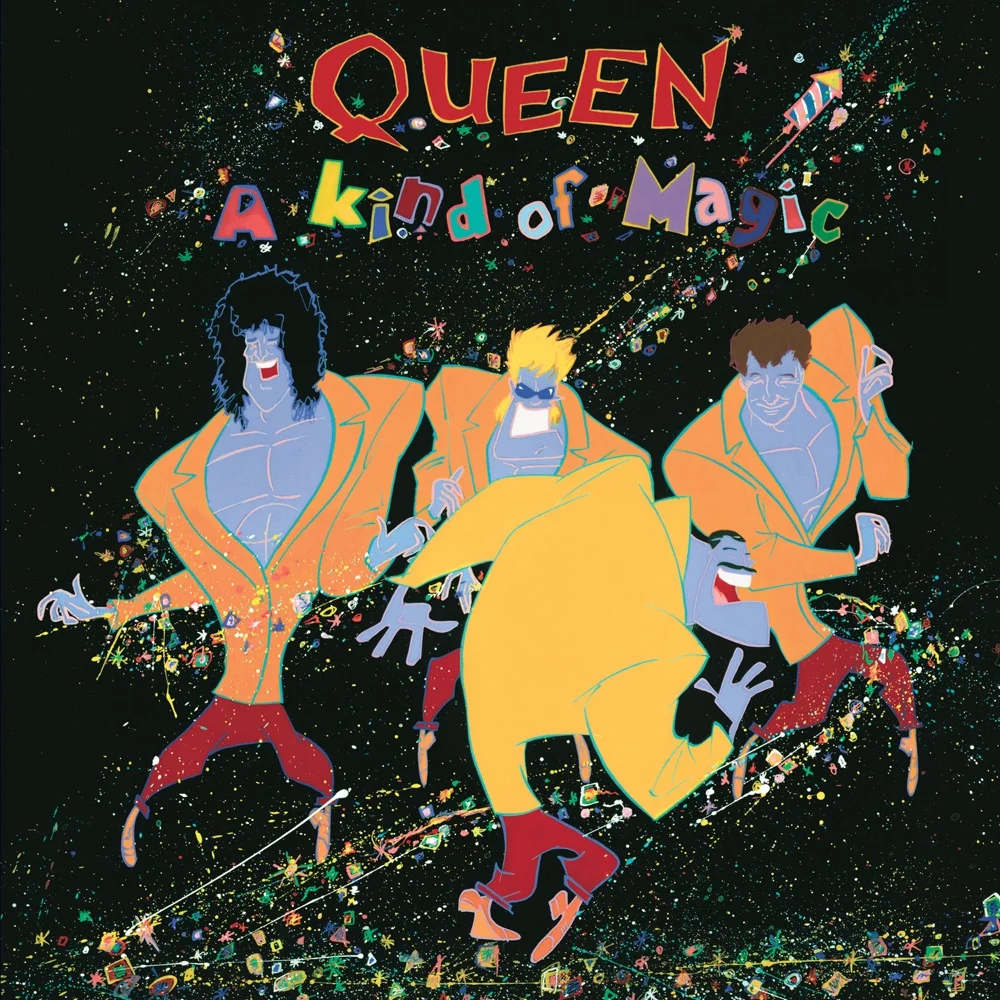
Written by Brian May for the Highlander soundtrack and the A Kind of Magic album, "Who Wants to Live Forever" is a masterclass in dynamic control. Unlike standard rock songs, this track features an orchestral arrangement that demands the singer move from a whisper-quiet delivery to a roof-raising belt.
To sing this well, you need patience. The song is a slow burn. If you give too much power too early, you will have nowhere to go when the drums kick in. Let's break down exactly how to tackle it, section by section.
AI Coach Tip: Breath Support
The long sustained notes on "Forever" require massive air reserves. Practice diaphragmatic breathing before you start. Do not take shallow chest breaths, or you will go flat at the end of the phrases.
Phase 1: The Breathy Intro (0:00 - 1:18)
The song begins in E Minor. On the record, Brian May sings the first verse, and his delivery is very intimate and breathy. The range is low (starting around E3).
The Trap: Because it is low, singers often "swallow" the sound, making it muddy. Keep your placement forward near your teeth, even when singing quietly. Focus on the lyrics "There's no time for us."
Phase 2: The Crescendo (1:18 - 2:30)
Freddie Mercury typically takes over here (or the energy lifts). The line "But touch my tears with your lips" signals the shift. You need to start adding "cry" into your voice—a slight vocal fry or emotional break that leads into a clearer tone.
As the orchestra swells, your volume must match it. This is not about shouting; it's about increasing resonance.
Phase 3: The Climax (2:30 - End)
The drums enter, and the song shifts into a power ballad. The line "Who waits forever anyway?" is the peak. You will need to hit high notes (touching C5) with power.
To hit these notes, you can use a "mixed voice" technique. If you try to pull your heavy chest voice all the way up, you will strain. Lighten the load by engaging your head resonance while keeping the cord closure strong.
Frequently Asked Questions
In the studio version, guitarist Brian May sings the first verse. Freddie Mercury takes over for the rest of the song. In live performances, Freddie often sang the whole track.
The vocal melody reaches up to a C5 during the climax. There are also falsetto harmonies that go higher, but the lead belt peaks there.
The phrases are long and slow. Use the Singing Coach AI app to identify where to take "catch breaths" that don't interrupt the flow of the melody.