
The Essence of American Folk Rock
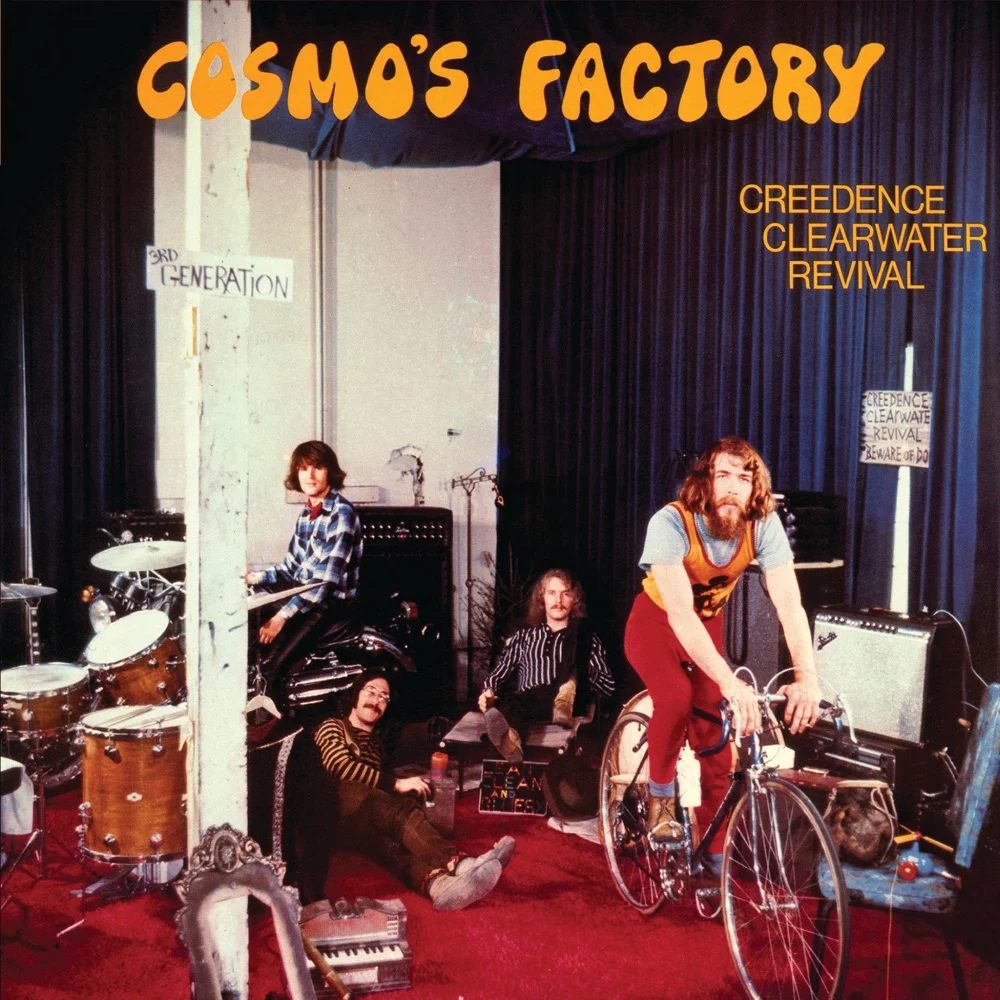
"Who'll Stop the Rain" is one of Creedence Clearwater Revival's most enduring hits from the 1970 album Cosmo's Factory. Unlike high-flying ballads, this song relies on groove, storytelling, and a very specific vocal tone known as "swamp rock." It’s less about hitting high notes and more about where you place the sound.
To sing this authentically, you need to channel John Fogerty's unique mix of chest resonance and nasal twang. It's a protest song wrapped in a folk melody, so the delivery needs to be earnest but not over-dramatic.
AI Coach Tip: Phrasing Matters
Many singers rush the verses. The line "Long as I remember..." sits slightly behind the beat. Our analysis shows that a relaxed, conversational timing scores higher than perfect quantization on this track.
Phase 1: The Narrative Verses
The verses sit comfortably in the G3 range. The challenge here is clarity. Fogerty enunciates clearly but with a rounded vowel shape.
The Technique: When singing "Clouds of myst'ry pourin'," avoid getting too breathy. Keep the vocal cords adducted (closed) to maintain a solid chest tone, even at lower volumes. Think of speaking the lyrics on a pitch rather than "singing" them operatically.
Phase 2: The Chorus Lift
The chorus ("I wanna know, have you ever seen the rain...") lifts the energy. The melody climbs to a G4. This isn't incredibly high for a tenor, but it sits right in the "break" area for many baritones.
- I Wanna Know: Open your mouth vertically (drop the jaw) to access the G4 without straining your neck.
- Resonance: To get that CCR sound, direct the sound towards your hard palate (the roof of your mouth). This adds the "twang" necessary to cut through the guitars.
- Sustain: The notes in the chorus are held longer than the verses. Ensure you have enough breath support to keep the pitch steady without wobbling.
Phase 3: The Outro and Feel
The song concludes with a repetition of the main hook. The key here is consistency. Don't let your energy drop. The repetitive nature of the song means your tone needs to stay interesting and engaged until the final fade-out.
Frequently Asked Questions
The highest note in the main melody is a G4. It occurs frequently in the chorus sections.
No. While John Fogerty has a natural grit, you should not force a rasp as it can damage your vocal cords. Focus on the "twang" placement instead to mimic the style safely.
Yes. The range is moderate and the melody is repetitive, making it an excellent choice for singers learning to control their chest voice and rhythm.