
The Art of the Lullaby
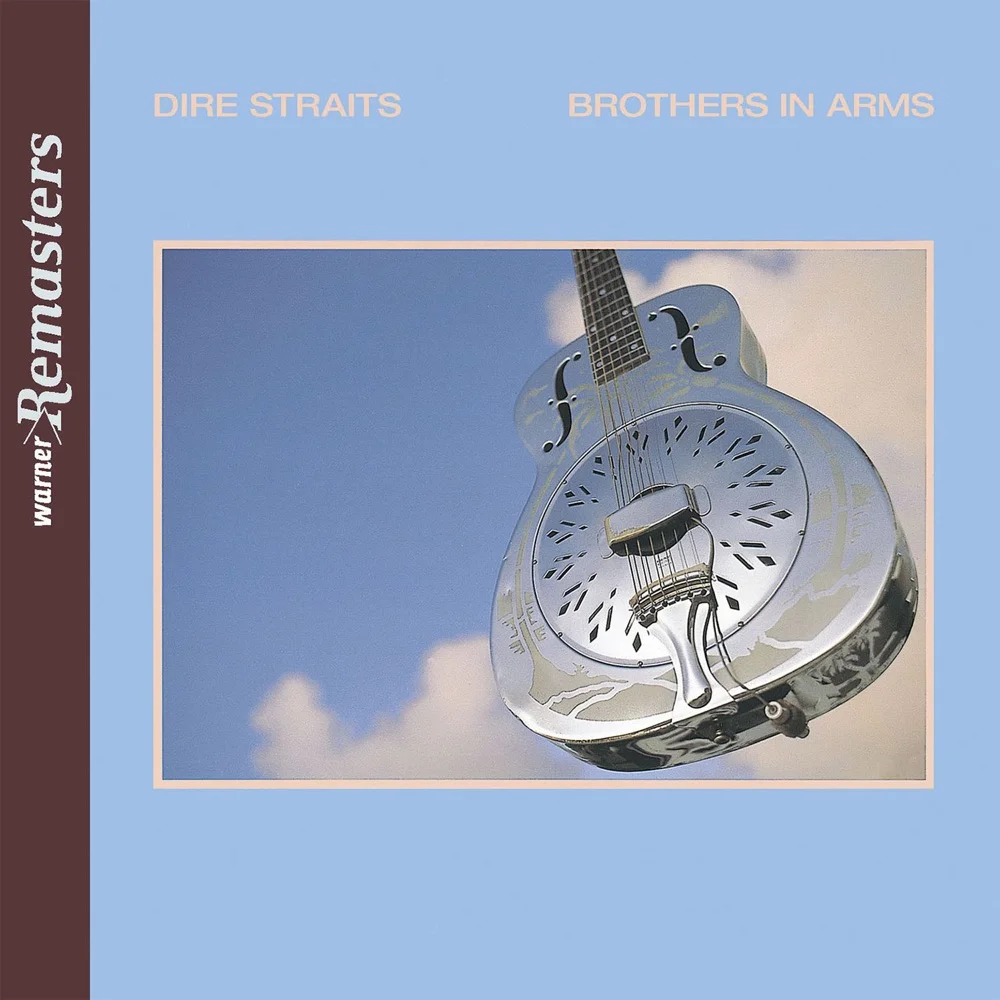
Why Worry is one of Dire Straits' most tender ballads, appearing on the monumental Brothers in Arms album. Unlike high-energy rock anthems, this song requires a delicate, comforting touch. It is essentially a lullaby for adults, meant to soothe and reassure.
To sing this well, you must abandon the urge to "perform" loudly. Mark Knopfler's delivery is almost spoken—a technique known as Sprechgesang—sitting comfortably in the chest voice. The challenge lies in maintaining steady pitch support at very low volumes.
AI Coach Tip: Relax Your Jaw
Many singers tighten up when trying to sing quietly. Our analysis suggests that dropping your jaw slightly and keeping the tongue relaxed helps capture Knopfler's warm, resonant tone without sounding breathy.
Phase 1: The Verses (Baby, I see this world...)
The verses are sung in a lower, conversational register. The melody moves stepwise, meaning there are no large jumps in pitch. This makes it accessible for beginners.
The Technique: Focus on diction. Knopfler articulates his words clearly but softly. Treat the microphone as if it is someone's ear—you are whispering a secret, not shouting to a crowd.
Phase 2: The Chorus (Why worry...)
The refrain "Why worry, there should be laughter after pain" lifts slightly in pitch but remains smooth. The melody here is legato, meaning the notes should flow into one another without gaps.
- Sustain: Hold the notes on "Worry" and "Pain" gently. Do not use heavy vibrato; keep the tone straight and pure.
- Breath Support: Even though it is quiet, engage your diaphragm. If you lose support, the pitch will go flat.
- Resonance: Aim for chest resonance. Feel the vibration in your sternum rather than your nose.
Phase 3: The Outro
The song concludes with an extended instrumental, but the vocal ad-libs fade out gently. If you are singing the full version, continue to hum or sing soft "oohs" to match the guitar melody. The key is to blend with the instrumentation rather than overpower it.
Frequently Asked Questions
The melody rarely exceeds an F#4, making it very comfortable for Baritones and Tenors alike. It focuses more on the lower E2-A2 range.
Yes, but you may need to focus on adding "warmth" to your lower notes. You can also transpose the track up +1 or +2 semitones in the Singing Coach AI app to fit a lighter voice.
Shaking usually comes from lack of breath support. Try to hiss a steady stream of air (like a snake) before singing to engage your core muscles, then apply that same support to the lyrics.