
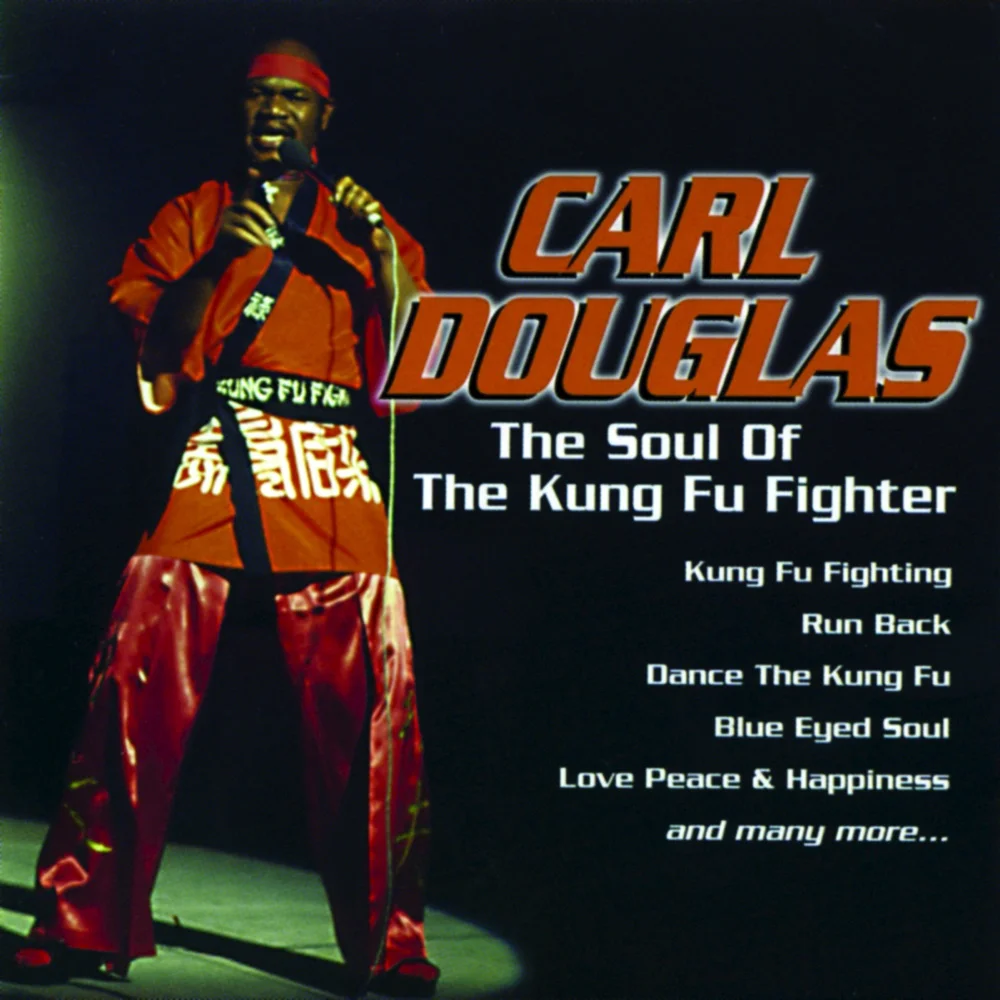
A Masterclass in 70s Funk Vocals
While best known for "Kung Fu Fighting," Carl Douglas delivered another gem with "Witchfinder General." This track is a quintessential example of 70s disco-funk storytelling. It relies less on massive range gymnastics and more on rhythmic precision, attitude, and character delivery.
To sing this well, you need to lock into the bassline. The vocal delivery sits in the pocket of the groove. You must be percussive with your words while maintaining a soulful, chest-dominant resonance. Let's break down how to capture that vintage sound.
AI Coach Tip: Watch Your Diction
Because this is a narrative song, slurring words will lower your score. Our analysis shows users often miss the crisp "t" and "ch" sounds in "Witchfinder." Keep your consonants sharp to cut through the funky instrumentation.
Phase 1: The Verses (Storytelling)
The song begins with a groovy, mid-tempo bounce. The verses are sung in a comfortable speaking range for Tenors and Baritones (approx A2 to D4). The challenge here isn't the notes, but the bounce.
The Trap: Singing too straight or "legato." This is funk. You want a slightly staccato feel on the upbeat. Imagine you are telling a spooky story with a smile on your face.
Phase 2: The Chorus Hook
When the line "He's the Witchfinder General" drops, the energy lifts. This requires a confident chest belt up to G4. It needs to sound full and brassy.
- Projection: Don't yell, but project forward into the "mask" of your face to get that bright 70s timbre.
- Rhythm: The phrase lands squarely on the downbeat. Being late here kills the momentum of the song.
Phase 3: The Outro Ad-libs
Towards the end (2:30+), Douglas starts ad-libbing with higher energy. This is where you can loosen up. The vocals become more gritty. Engage your diaphragm support to ensure you don't run out of breath during the repetitive chants.
If you find the higher ad-libs straining, try adding a little "cry" to your voice to thin out the vocal fold mass while keeping the intensity high.
Frequently Asked Questions
The core melody reaches a G4 in chest voice. Some ad-libs may flick higher, but the sustained belt stays within a standard Tenor range.
Yes, excellent. The verses sit low enough to be comfortable, and the chorus G4 is a great "stretch note" for Baritones working on their upper chest range. You can also transpose it down -1 or -2 semitones in the app if needed.
It's all about rhythmic placement. Practice singing the song while clapping on the 2 and 4 beats. If you can keep the vocal independent of your clapping, you've got the groove.